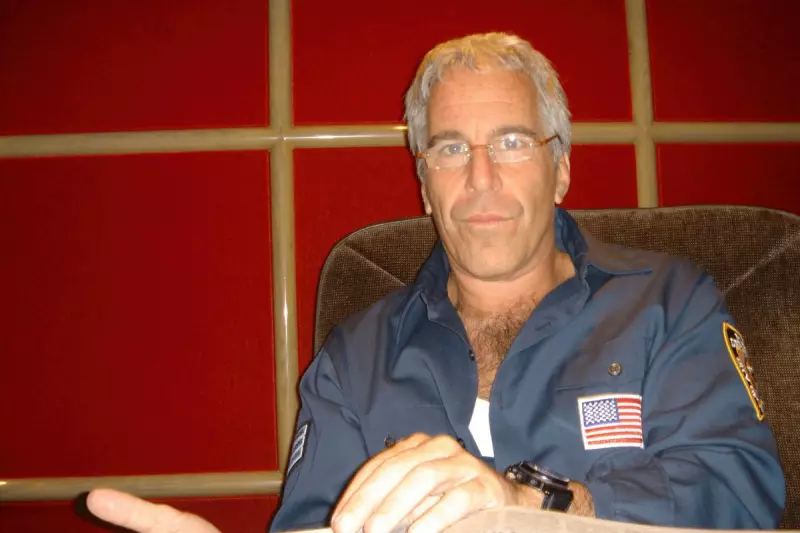
The long-awaited release of documents related to the Jeffrey Epstein case by the US Department of Justice has done little to satisfy demands for transparency, with significant records conspicuously absent from the initial disclosure.
Missing Pieces and Unanswered Questions
Spanning tens of thousands of pages, the initial tranche of documents, made public under a recent act of Congress, provides scant new insight into Epstein's crimes or the prosecutorial decisions that allowed him to evade serious federal charges for years. Notably missing are crucial FBI interviews with survivors and internal DOJ memos that could explain the rationale behind charging decisions.
The gaps extend further. The records contain no references to several powerful figures long linked to Epstein, including Britain's former Prince Andrew. This omission has renewed intense scrutiny over who was investigated, who was not, and whether the disclosures genuinely advance public accountability.

What the Documents Do Reveal
Among the limited new information is insight into the Justice Department's controversial choice to abandon a federal investigation in the 2000s, which paved the way for Epstein's 2008 plea deal on minor state prostitution charges. A previously unseen 1996 complaint also surfaces, accusing Epstein of stealing photographs of children.
A significant portion of the release consists of images from Epstein's properties in New York and the US Virgin Islands, featuring photos of celebrities and politicians. These include a series of never-before-seen pictures of former President Bill Clinton, but very few of former President Donald Trump. Both men have since distanced themselves from their past associations with Epstein, and neither has been accused of wrongdoing in connection with the case.
The most substantive records confirm that federal prosecutors had a strong case against Epstein as early as 2007 but never charged him. Grand jury transcripts, released publicly for the first time, include harrowing testimony from young women who described being paid for sex acts. One survivor, who was 14 and in ninth grade at the time, detailed being assaulted after resisting Epstein's advances during a massage.
Another woman, then 21, testified about being hired by Epstein at age 16 and subsequently recruiting other girls from her high school. "For every girl that I brought to the table he would give me $200," she stated, adding that she advised underage girls to lie and say they were 18.
Delays, Redactions, and Political Reactions
Despite a Congressional deadline for full disclosure on Friday, 20 December 2025, the Justice Department has stated it will release records on a rolling basis, citing the need to redact survivors' names. This approach has frustrated Epstein's accusers and lawmakers who championed the transparency law.
"I feel like again the DOJ, the justice system is failing us," said Marina Lacerda, who alleges Epstein began abusing her when she was 14.
The documents released represent only a fraction of the material held by the DOJ. Deputy Attorney General Todd Blanche noted that Manhattan federal prosecutors alone possess over 3.6 million records from investigations into Epstein and his associate, Ghislaine Maxwell. Many newly public pages are heavily redacted; one 119-page document labelled "Grand Jury-NY" is entirely blacked out.
The release has also sparked immediate political reactions. Allies of former President Trump seized on the photos of Bill Clinton, while the documents include a transcript of an interview with Alexander Acosta, the former US Attorney who oversaw the initial case. Acosta, who later served as Labor Secretary under Trump, cited concerns about jury perception of the accusers and the legal border between federal sex trafficking and state-level prostitution charges.
"I'm not saying it was the right view," Acosta conceded, acknowledging that societal attitudes towards victims have shifted significantly since the original investigation.