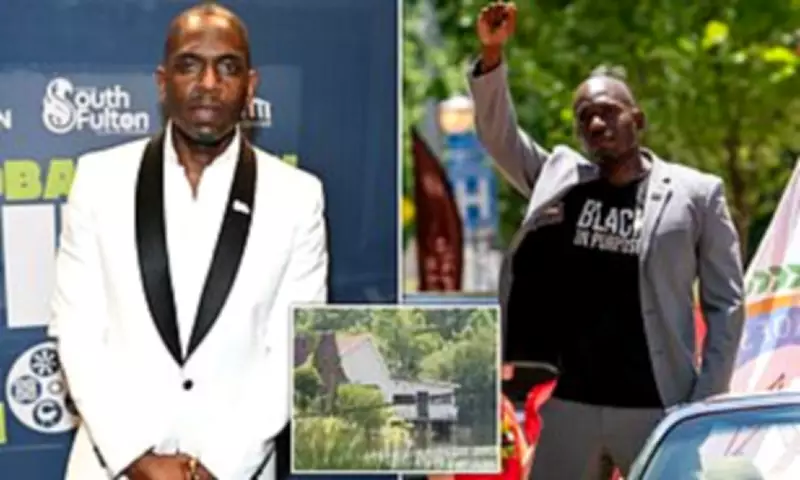
In a significant legal development, the former mayor of one of America's youngest cities has pleaded guilty to a misdemeanor criminal trespassing charge. This plea stems from an incident in 2023 where he entered a resident's lake house without permission, bringing a controversial chapter in local politics to a close.
Guilty Plea and Sentencing Details
Khalid Kamau, who once led South Fulton, Georgia, entered his guilty plea in Fulton County court on Wednesday. This decision ended weeks of legal squabbling between the defense and prosecutors, which had many observers anticipating a trial. As part of the plea agreement, Kamau avoided a more serious felony burglary charge that could have carried harsher penalties.
Under the terms of his sentence, Kamau will serve twelve months of probation, complete forty hours of community service, and pay a five hundred dollar fine. He also issued a public apology in open court, acknowledging the incident and expressing gratitude to the judge for resolving the case. His probation terms specifically prohibit him from contacting, visiting, or speaking publicly about the homeowner, and he must write them a formal apology letter.

The Trespassing Incident and Background
The incident occurred on July 8, 2023, when Kamau attempted to enter a lakefront home on Cascade Palmetto Highway. According to reports, the homeowner held the sitting mayor at gunpoint until police arrived. Kamau later claimed he believed the property was abandoned and described it as his "dream home," but this defense did not prevent criminal charges.
Kamau's political career began in November 2021 when he became the second mayor of South Fulton, a city incorporated in 2017 after years of local lobbying for self-governance and independence from the county. At the time, he famously described himself as "America's first #BlackLivesMatter organizer elected to public office," highlighting his activist background.
Financial Controversies and Audit Findings
Kamau's tenure as mayor was not solely marred by the trespassing incident. He soon faced accusations from council members and residents regarding improper use of the city credit card for non-government expenses. An independent audit released by the city revealed that nearly seventy thousand dollars of spending by Kamau was deemed "questionable."
The majority of these charges were for travel, including twenty international trips to destinations such as Canada, South America, Africa, and Europe without prior approval from the city council. Additional expenses covered meals, streaming subscriptions, and car washes. Kamau defended himself by claiming the audit was politically motivated and that his actions were intended to boost South Fulton's economic development.
Political Fallout and Re-election Defeat
The combination of criminal charges and financial controversies proved overwhelming for residents. In the lead-up to the November re-election, Kamau initially stated he would not run, citing the mayor's salary of only forty-seven thousand dollars per year as insufficient. He had previously requested a raise to eighty-five thousand dollars, which was denied by the city council, and claimed personal sacrifices including selling his mother's house and relying on food stamps.
However, by August, he reversed his decision and sought re-election. Ultimately, he received just 4.7 percent of the vote, finishing sixth in a crowded field. The election was won by Councilmember Carmalitha Gumbs, a vocal critic of Kamau who had called for accountability over the alleged misuse of funds. Gumbs emphasized the need for officials to act in the public interest and recover any misused taxpayer dollars.
This case underscores the challenges faced by emerging cities and the scrutiny placed on elected officials, blending legal accountability with political consequences in a rapidly evolving community.