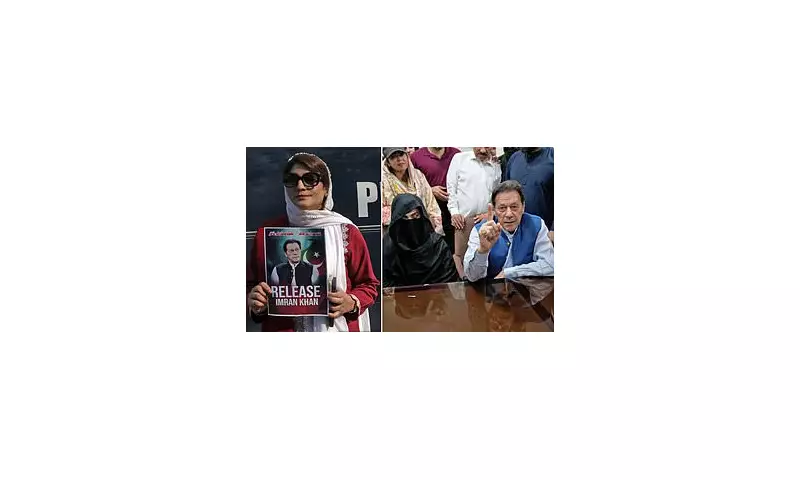
Former Pakistani Prime Minister Imran Khan and his wife, Bushra Bibi, have been handed a further 17-year prison sentence in a high-profile corruption case centred on state gifts. This latest conviction adds to the multitude of legal challenges facing the ousted leader, who is already incarcerated on a series of other charges.
A Conviction Over Undervalued Jewellery
The sentencing, delivered on a Saturday, relates to a luxury jewellery set received by Bushra Bibi from Saudi Crown Prince Mohammed bin Salman during a state visit in 2021. Prosecutors successfully argued that the couple bought the set for a mere $10,000, a fraction of its alleged market value of $285,521, thereby profiting from the transaction. Under Pakistani law, officials must declare all gifts but may purchase them at a discounted rate.
This case is distinct from an earlier conviction where Khan was sentenced to 14 years and Bibi to seven years over the illegal sale of luxury watches, also gifts from the Saudi royal. The new sentences comprise 10 years for criminal breach of trust and seven for criminal misconduct, to be served concurrently with their existing terms.

Allegations of Political Persecution and Harsh Conditions
Khan, the 73-year-old former cricket captain who rose to power in 2018, has consistently denied all charges. He and his Pakistan Tehreek-e-Insaf (PTI) party allege the cases are politically motivated, orchestrated by the country's powerful military establishment to prevent his return to politics after his removal via a no-confidence vote in 2022.
In a statement on X, the PTI decried the latest ruling from what it called a 'kangaroo court', stating it was designed to prolong Khan's 'illegal, unjust incarceration'. Party spokesman Syed Zulfikhar Bukhari argued the conviction 'ignores basic principles of justice', imposing criminal liability without proof of intent or gain.
Concerns over Khan's treatment in prison have escalated. He has been held in solitary confinement at Adiala jail in Rawalpindi since 2023, in conditions his sons, Kasim and Sulaiman, describe as a 'death cell'. They claim he is kept in a 6ft by 8ft cell, typically reserved for inmates on death row, with no reading material except the Quran and is given dirty water.
'He’s in a death cell. What they are doing to my father is barbaric,' Kasim Khan told The Times. Khan's family say they were barred from visiting him in November, and his ex-wife, Jemima Goldsmith, revealed their sons have not seen him in 22 months. She has accused social media platform X of throttling the reach of posts criticising his imprisonment.
A Nation Divided and a Legal Saga Unfolding
Khan's legal troubles, which span over 150 charges including leaking state secrets, have sparked significant unrest in Pakistan. His first arrest in May 2023 triggered nationwide protests, some targeting military facilities, leading to a widespread crackdown on his party. Barred from standing in the February 2024 elections, Khan received a trio of fresh convictions just days before the poll.
While his premiership ended the dominance of the country's traditional political dynasties, his tenure was also marked by a struggling economy and accusations of media suppression. Now, with the tables turned, he faces similar restrictions. His family and supporters continue to protest outside Adiala jail, with his sisters alleging they were 'brutally' assaulted during one demonstration.
The Pakistani government has repeatedly rejected allegations of political persecution and inhumane treatment. As the legal saga continues, the case of Imran Khan remains a deeply polarising issue, highlighting the intense friction between the country's political and military institutions.