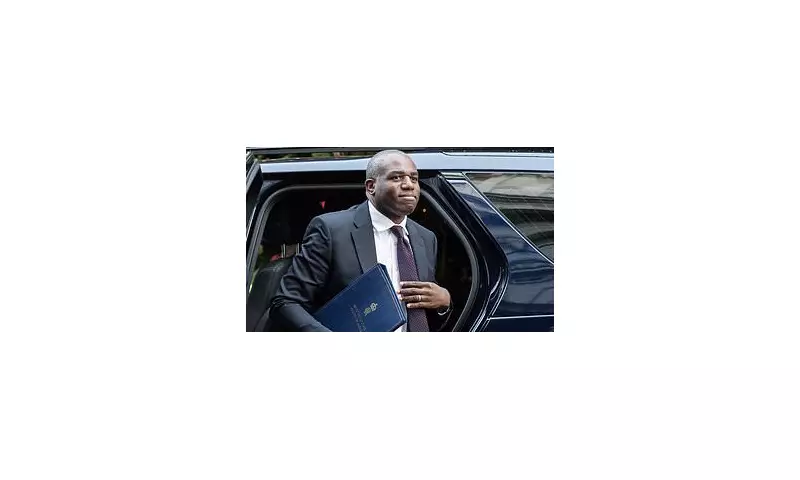
Deputy Prime Minister David Lammy claimed almost £7,000 from the public purse to cover the cost of help with his personal tax returns, according to official figures.
A Decade of Claims for Accountancy Fees
The senior Labour MP used his Commons expenses to pay accountants' fees on ten separate occasions before the practice was prohibited last year. The Independent Parliamentary Standards Authority (IPSA), which regulates MPs' business costs, published the data showing the claims.
Lammy's first claim was made in 2012, when he billed taxpayers £936 for '60 per cent of accountants fees'. For much of the following decade, he continued to claim more than £600 annually for 'parliamentary accountancy'. His final claim under the old rules was for £247 in March 2024.

In total, the MP's claims for assistance with his self-assessment tax return amounted to £6,604.
IPSA Bans the Practice
The spending came to an end when IPSA announced it would no longer 'accept any claims relating to preparing a self-assessment tax return' from the 2024-25 tax year onwards. The change effectively banned MPs from using public money for personal tax advice.
A spokesman for Mr Lammy, who now holds the roles of Deputy Prime Minister and Lord Chancellor, defended the claims. He insisted that all claims were made and declared in line with the rules set out by IPSA at the time.
Criticism from Tax Campaigners and Experts
The revelations have drawn criticism from campaign groups and tax professionals. John O'Connell, chief executive of the TaxPayers' Alliance, said: 'Taxpayers up and down the country are finding the tax burden ever more burdensome with successive chancellors raising rates, freezing thresholds and layering on complexity.'
He added: 'With the Deputy Prime Minister's Government being the worst culprit of this, he should be considering how this will look to his constituents.'
Independent tax consultant David Whiscombe also questioned the use of public funds. 'I'm sure that many MPs with income and gains from non-parliamentary sources have complicated tax affairs which warrant taking professional advice. But that has never been a reason, in my view, to expect the cost to be funded by the public,' he said.
Whiscombe concluded that IPSA's change of practice was 'justified and overdue', arguing that being an MP does not inherently complicate an individual's tax affairs to a degree that necessitates publicly-funded advice.