Justice Department Releases Partial Epstein Files Amid Mounting Criticism
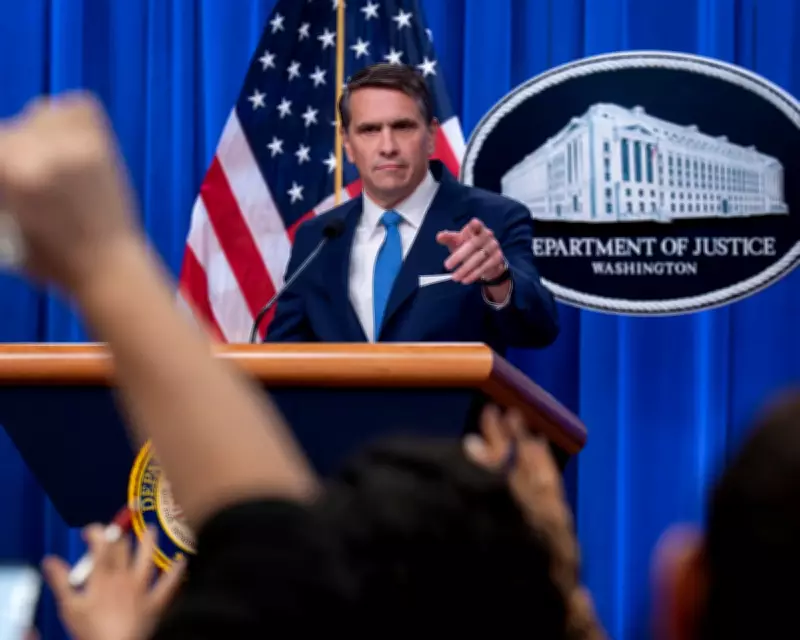
The United States Justice Department has made public a substantial collection of documents related to the late financier and convicted sex offender Jeffrey Epstein, though the release has been met with significant criticism for its incompleteness and timing. On Friday, federal authorities disclosed approximately 3.5 million files, with Deputy Attorney General Todd Blanche indicating this would likely represent the final major declassification concerning Epstein's case.
Incomplete Compliance with Congressional Mandate
This disclosure represents only partial and delayed adherence to legislation passed by Congress towards the end of last year. The congressional bill had explicitly required all government documents pertaining to Epstein and related law enforcement investigations into his sexual abuse of minors to be made publicly available by December 19th, 2025. Federal prosecutors had previously identified around 6 million files as "potentially responsive" to this legal requirement, meaning millions of documents remain undisclosed.
Representatives from both major political parties have voiced strong objections to the incomplete nature of the release. Republican Thomas Massie and Democrat Ro Khanna have jointly condemned the Justice Department's actions and demanded access to the complete, unredacted files. Khanna emphasised that withholding substantial portions of the identified material "only shields the powerful individuals who were involved and hurts the public's trust in our institutions."

Controversial Redactions and Victim Concerns
The Justice Department has consistently argued that the enormous volume of Epstein-related documents, combined with the sensitive nature of much information contained within them, necessitated extensive redaction processes to protect victims' identities and wellbeing. In his correspondence with Congress, Blanche claimed that tens of thousands of additional documents were being withheld due to containing child sexual abuse material and information that could potentially identify and endanger victims.
However, this justification has been undermined by the fact that many documents released on Friday actually contained names and other sensitive details about women Epstein abused. This has led some victims to describe the Department of Justice's actions as a "betrayal," while observers question what precise redaction work has been undertaken if such sensitive content remains visible.
Political Dimensions and Administration Tensions
The announcement's delivery by Deputy Attorney General Blanche rather than Attorney General Pam Bondi reflects growing internal tensions within the administration. Criticism continues to mount regarding the handling of the Epstein controversy, alongside persistent questions about former President Donald Trump's longstanding association with Epstein. Blanche, who previously served as Trump's personal criminal defence attorney, insisted the Justice Department "did not protect Trump" in decisions about redactions and releases, claiming the White House exercised no oversight.
Nevertheless, Blanche acknowledged that Trump had expressed preferences for "maximum transparency," despite the president having initially opposed the files' release until it became clear Congress would override his position late last year.
Content of the Released Material
The newly disclosed cache includes approximately 2,000 videos and 180,000 images related to Epstein, though Blanche clarified that many were not created by Epstein personally but gathered as part of his estate. This collection reportedly contains commercial pornography alongside homemade abuse material depicting underage victims. The files also appear to include numerous uncorroborated tips from members of the public about Epstein's conduct, some alleging abuse by Donald Trump.
Journalists from The Guardian and other outlets are systematically examining the material, which is being uploaded to the Department of Justice website in batches of tens of thousands of files without comprehensive indexing or contextual explanation about document origins. The complete implications of these newly unsealed documents will likely take considerable time to emerge fully.

Revelations About Powerful Connections
The released documents further illuminate Epstein's integration into elite social circles even after his 2008 conviction for offences related to child sexual abuse. Emails reveal that in 2012, businessperson Howard Lutnik—currently serving as Trump's commerce secretary—appears to have visited Epstein's private island with his family, despite previous claims he had severed contact around 2005.
Additional correspondence shows billionaire Richard Branson writing to Epstein in 2013: "Anytime you're in the area would love to see you. As long as you bring your harem!" While Elon Musk has publicly stated he refused invitations to Epstein's island, emails indicate a warmer relationship, with Musk enthusiastically inquiring in 2012 about visiting the Caribbean property and asking "What day/night will be the wildest party on your island?" Both individuals have denied wrongdoing and attempted to minimise their connections to Epstein.
Broader Implications and Public Perception
The Trump administration worked extensively throughout 2025 to prevent the Epstein files' release, and once congressional pressure made publication inevitable, efforts shifted toward minimising public perception that the documents contain particularly damaging information about the president and his allies. However, the administration faces significant challenges in containing the Epstein narrative, as the scandal inherently exposes the untrustworthiness and dishonesty of the very elites that Trump's movement now represents.
Blanche faced the difficult task of asserting that the administration has nothing to conceal, that those in power are acting in good faith, and that the public is receiving the complete story. Given what has already been revealed about powerful figures through the Epstein saga, serious questions remain about whether such assurances will find credibility with the American public.