Spanish Prime Minister's Wife Formally Charged in Corruption Probe
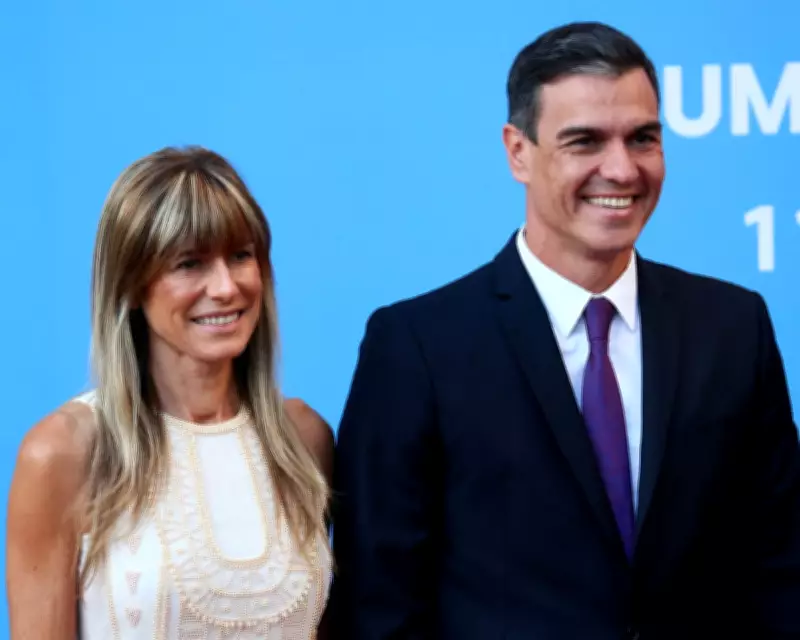
Begoña Gómez, the wife of Spanish Prime Minister Pedro Sánchez, has been formally charged with a series of serious offences, including embezzlement, influence peddling, corruption in business dealings, and misappropriation of funds. This development follows a comprehensive two-year investigation conducted by a judge in Madrid, marking a significant escalation in a case that has gripped Spanish politics.
Allegations of Exploiting Influence and Position
The charges stem from allegations that Gómez, aged 55, improperly used her influence as the spouse of the socialist prime minister to secure and manage a prestigious post at Madrid's Complutense University. The judge, Juan Carlos Peinado, has suggested in a detailed 39-page ruling that certain public decisions favourable to the university chair may have been obtained through what he described as a unique exploitation of her relational position. The judge noted that these actions coincided with periods when her husband held significant political power, first as secretary general of the Spanish Socialist Workers' party and later as prime minister.
Furthermore, Judge Peinado highlighted evidence of behaviour at the Moncloa palace, the prime minister's official residence and office, which he characterised as more reminiscent of absolutist regimes and fortunately forgotten in modern Spanish governance. This pointed commentary adds a layer of institutional critique to the legal proceedings.

Additional Defendants and Political Context
In addition to Begoña Gómez, the judge has also charged her personal assistant, Cristina Álvarez, and a businessman named Juan Carlos Barrabés in connection with the case. All three individuals have vehemently denied any wrongdoing, maintaining their innocence throughout the investigation.
The probe was initiated following a complaint from Manos Limpias (Clean Hands), a self-styled trade union known for its far-right links and history of using judicial avenues to target individuals it perceives as threats to Spain's democratic interests. Prime Minister Sánchez has consistently dismissed the case against his wife as a baseless and politically motivated smear campaign. He has accused political and media opponents of unfairly targeting his family and has openly questioned the impartiality of certain members of the judiciary.
Prime Minister's Response and Judicial Process
During a recent visit to China, Prime Minister Sánchez expressed confidence that justice would ultimately be served and his wife would be exonerated. He stated, "What I ask of the justice system is that it delivers justice. That justice be served. And since I'm convinced that time will put everything and everyone in their place, I have nothing more to say." This statement reflects his previous criticisms of what he sees as judicial overreach, having remarked last year that some judges are engaging in politics while some politicians attempt to administer justice.
Judge Peinado, who faces mandatory retirement in September, has given all parties involved five days to respond to his decision. Following this period, the courts will determine whether Begoña Gómez will face a jury trial, a decision that could have profound political ramifications.
Broader Family and Political Scandals
The formal charging of Gómez arrives at a particularly fraught moment for Prime Minister Sánchez, as his younger brother, David Sánchez, is scheduled to stand trial next month on separate charges of influence-peddling. According to another complaint filed by Manos Limpias, David Sánchez allegedly received a bespoke job from the socialist-led council of Badajoz in July 2017, a time when his brother was the national leader of the socialist party. David Sánchez denies these allegations.

Simultaneously, two senior former figures from Sánchez's government are currently on trial for alleged corruption. José Luis Ábalos, the former transport minister and once considered the prime minister's right-hand man, is accused alongside his former aide Koldo García and businessman Víctor de Aldama of accepting kickbacks on public contracts for sanitary equipment during the Covid-19 pandemic. Ábalos and García, who deny all charges, are facing potential sentences of 24 years and 19 years respectively, while Aldama, who has admitted his involvement, faces a seven-year sentence.
This confluence of legal challenges involving the prime minister's immediate family and close political associates underscores the intense scrutiny and political pressure facing the Sánchez administration, raising significant questions about governance, accountability, and the intersection of personal and public interests in contemporary Spanish politics.