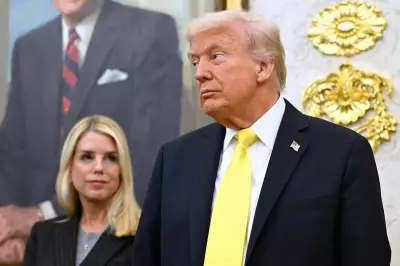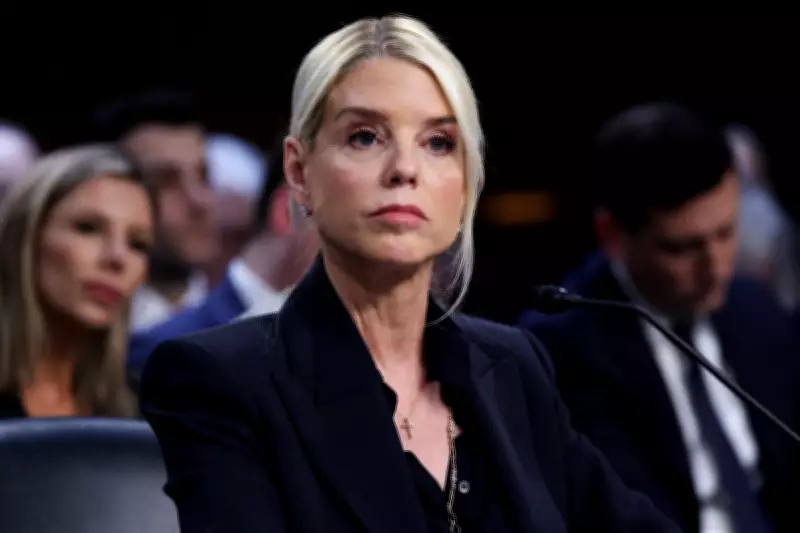
The Justice Department has announced that former Attorney General Pam Bondi will not appear at a scheduled congressional hearing regarding investigations into Jeffrey Epstein, following her removal from office by Donald Trump last week. According to a spokesperson for the House Oversight Committee, Bondi is defying a subpoena for her deposition, originally set for April 14, raising significant legal and political tensions.
Committee Responds to Bondi's Non-Compliance
The House Oversight Committee, in a statement provided to The Independent, confirmed that Bondi will not comply with the subpoena. A spokesperson indicated that the committee plans to contact Bondi's personal counsel to discuss alternative arrangements for her testimony. This development comes amid bipartisan efforts to secure her sworn account of the Department of Justice's handling of Epstein-related cases.
Bipartisan Calls for Accountability
Representative Robert Garcia, the committee's top Democrat, accused Bondi of attempting to evade her legal obligations. He emphasized that the subpoena applies regardless of her current status, stating that immediate testimony is crucial for justice for survivors. Garcia warned that defiance could lead to contempt charges in Congress, underscoring the high stakes of the investigation.

In a joint letter, Republican Representative Nancy Macy and Democratic Representative Ro Khanna urged committee chair James Comer to enforce Bondi's appearance. They argued that her removal does not negate the committee's oversight interests, and her testimony is now more vital than ever to address actions taken under her leadership and withheld files from the public.
Implications for Epstein Investigation
The refusal to testify adds a layer of complexity to the ongoing probe into the federal government's management of Epstein cases. Lawmakers stress that Bondi's insights are essential for understanding decisions made during her tenure and ensuring transparency. The Justice Department has not yet commented on the situation, leaving questions unanswered about potential legal repercussions.
This story continues to develop as the committee weighs its next steps, including possible contempt proceedings, highlighting the broader challenges of congressional oversight in politically charged environments.