DWP Issues Universal Credit Update on Sanction Rules
The Department for Work and Pensions has come under intense scrutiny regarding the regulations governing Universal Credit sanctions, prompting the department to clarify precisely when claimants could see their payments reduced. This follows a parliamentary inquiry by Labour MP Paula Barker, who raised concerns about the potential impact of sanctions on vulnerable individuals.
MP Inquiry Brings Sanction Rules to Public Attention
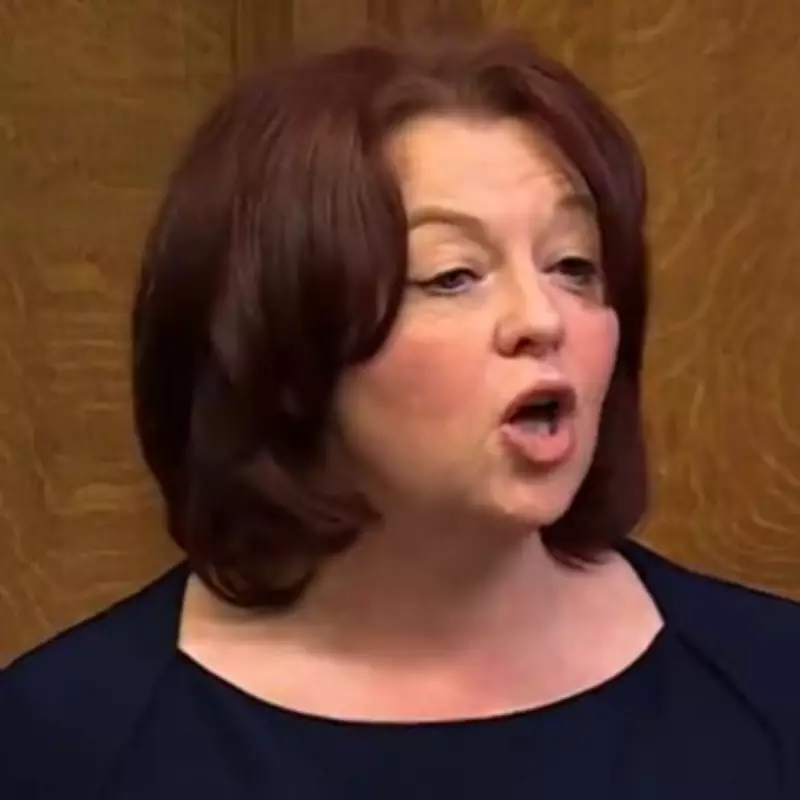
Paula Barker, Labour MP for Liverpool Wavertree, submitted a formal question to the DWP regarding the potential consequences of benefit sanctions on people forced into prostitution due to destitution. This inquiry has drawn significant public attention to the complex penalty system that can lead to substantial reductions in Universal Credit payments.
Diana Johnson, Minister of State at the Department for Work and Pensions, responded this week by outlining the principles behind Universal Credit sanctions. "The core objective of Universal Credit is to support people who are out of work or on a low income to enter work, earn more, or to prepare for work in the future," she explained. "Claimants are generally expected to undertake certain work-related activities in return for financial support."

How Sanctions Are Applied
According to official guidance on the gov.uk website, Universal Credit payments may be reduced if a claimant fails to carry out agreed work-related activities without a legitimate reason. To receive Universal Credit, claimants must agree to a document known as a 'claimant commitment' that outlines specific work-related requirements.
These obligations typically include attending meetings with work coaches, updating CVs, and actively seeking employment. The DWP emphasizes that "you must do everything you agree to as part of your commitment or your payment may be reduced."
Minister Johnson clarified that "a sanction is only applicable where a claimant fails to undertake their agreed activity without good reason." She detailed several safety measures implemented before sanction decisions are made, including checking for changed circumstances, reviewing vulnerabilities, and considering whether alternative activities might fulfill requirements.
Payment Reduction Rates and Categories
The DWP has confirmed that sanctions can reduce payments by up to 100% of the Universal Credit standard allowance rate per day. For most claimants, this means:
- Single claimants aged 25 or over: £13.90 daily reduction (100% rate)
- Single claimants under 25: £11.10 daily reduction (100% rate)
- Joint claimants where both are under 25: £8.60 per sanctioned claimant (100% rate)
- Joint claimants where one or both are 25 or over: £10.90 per sanctioned claimant (100% rate)
For claimants aged 16-17, or those whose only requirement is to attend appointments, the reduction rate is 40% of the standard allowance.
Four Sanction Levels Explained
The DWP operates four sanction levels based on work-related activity categories:
- Lowest level: For minimal work requirements
- Low level: Applies to most Universal Credit sanctions, typically adding a fixed period of days to the sanction duration
- Medium level: For more significant failures
- High level: For specific failures connected with paid employment
High-level sanctions apply in circumstances such as voluntarily leaving employment without good reason, failing to apply for a specific job when instructed, losing earnings due to misconduct, or declining a job offer without justification. First high-level sanctions within a 365-day period typically last 91 days (approximately three months), while subsequent sanctions can extend up to 182 days (around six months).
Safeguards and Support Measures
Minister Johnson addressed concerns about vulnerable claimants by noting that "if a claimant is sanctioned and can demonstrate that they cannot meet their most immediate and essential needs, we also have a system of recoverable hardship payments." These payments can cover essential needs including heating, food, and hygiene.

Regarding the specific concerns about prostitution raised by MP Barker, Johnson stated that the DWP's commitments to the Violence Against Women and Girls Strategy will help align the department with wider government efforts to tackle sexual exploitation. This includes strengthening training for frontline staff and implementing a five-year safeguarding plan.
How to Avoid Sanctions
To steer clear of Universal Credit sanctions, claimants must:
- Fully understand all requirements in their claimant commitment
- Attend all Universal Credit appointments on time
- Complete agreed job search activities
- Keep their claimant commitment updated with current circumstances
- Report any changes promptly
When sanctions are applied, claimants receive notification via their Universal Credit journal or by letter, detailing the failed obligation, sanction duration, and payment reduction amount. The DWP confirms that claimants won't face two simultaneous sanctions, though sanctions can follow consecutively.
It's important to note that while the standard allowance may be reduced or eliminated, additional payments for children or housing costs typically continue. However, sanctioned claimants could lose eligibility for other benefits, including help with NHS charges.
The DWP emphasizes that work coaches have flexibility to personalize work-related requirements based on individual circumstances, including health conditions and caring responsibilities. Before any sanction decision, claimants are always asked to provide their reasoning, and multiple checks are conducted to ensure fairness and appropriateness.