Farage Suggests Future Indyref2 Could Be 'Quite Reasonable'
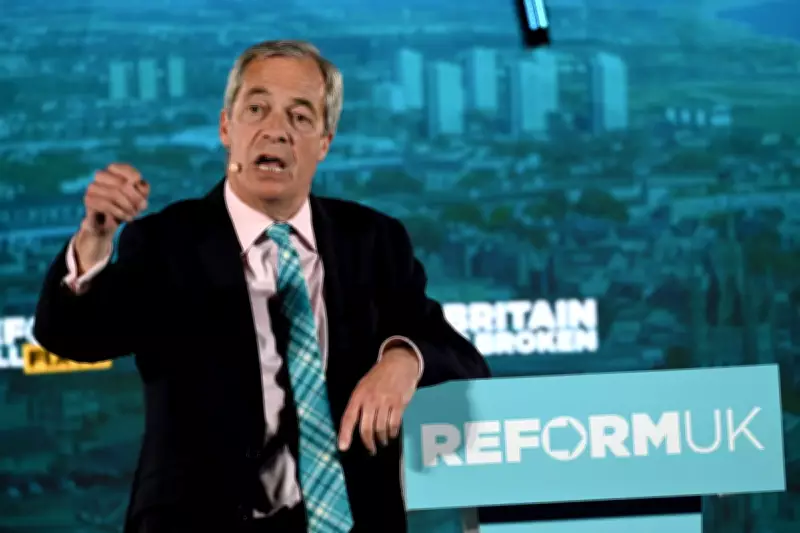
Nigel Farage, the leader of Reform UK, has indicated that a second Scottish independence referendum might be considered "quite reasonable" in the future, should the issue regain political relevance. While firmly opposing the "dissolution" of the United Kingdom, Mr Farage acknowledged the unpredictability of public sentiment over the coming decades.
Campaigning in Scotland Ahead of Holyrood Election
Mr Farage has been actively campaigning across Scotland this week, addressing a rally in Aberdeen and visiting Shetland and Glasgow. His comments come as polls suggest Reform UK could potentially become the second-largest party in the Scottish Parliament following the election on May 7. Speaking to The Scotsman in Glasgow, Mr Farage reiterated his party's opposition to independence but left the door open for future democratic processes.
"We believe in the United Kingdom. We think it'd be bad for both parties," he stated, referring to the potential economic and political impacts of Scottish independence. However, he emphasised the principle of respecting past referendum promises, noting, "We were told in Scotland in 2014, and the whole country was told in 2016, that these referendums were once-in-a-generation, and we just stick to that."

Future Possibilities and Voter Persuasion
Mr Farage elaborated on his stance, suggesting that if independence re-emerges as a significant issue, a referendum could be justified. "If at some point in the future this issue comes back, then it's probably quite reasonable for Scotland to have a referendum," he said. "It's not relevant now, but I can't tell you how people will feel in 20 years' time."
Additionally, Mr Farage claimed that certain SNP supporters, particularly those he described as "genuine nationalists," could be persuaded to switch their allegiance to Reform UK. This remark highlights his strategy to attract voters disillusioned with the current political landscape.
Political Backlash from Scottish Conservatives and SNP
Mr Farage's comments have sparked strong condemnation from political opponents. Scottish Conservative leader Russell Findlay accused Reform UK of not being a true unionist party, stating, "Nigel Farage's incendiary comments confirm beyond doubt that Reform are not a unionist party. Talking up the prospect of another unwanted and divisive referendum is a gift to John Swinney's SNP."
Mr Findlay further criticised the alliance between Farage and SNP leader John Swinney, calling them a "dangerous double act" that risks Scotland's economy and security. Meanwhile, SNP depute leader Keith Brown dismissed Mr Farage's influence, asserting, "It is not for arrogant politicians from the Westminster establishment like Nigel Farage to tell Scotland when we can make our voice heard – it is a decision for the people of Scotland."
Mr Brown warned against Labour's potential reliance on Reform votes, emphasising that only the SNP has the strength to counter Farage's influence across Scotland. As the election approaches, these exchanges underscore the deepening political divisions and the ongoing debate over Scotland's constitutional future.