Pauline Hanson Ignites National Debate Over Foreign Property Ownership in Australia
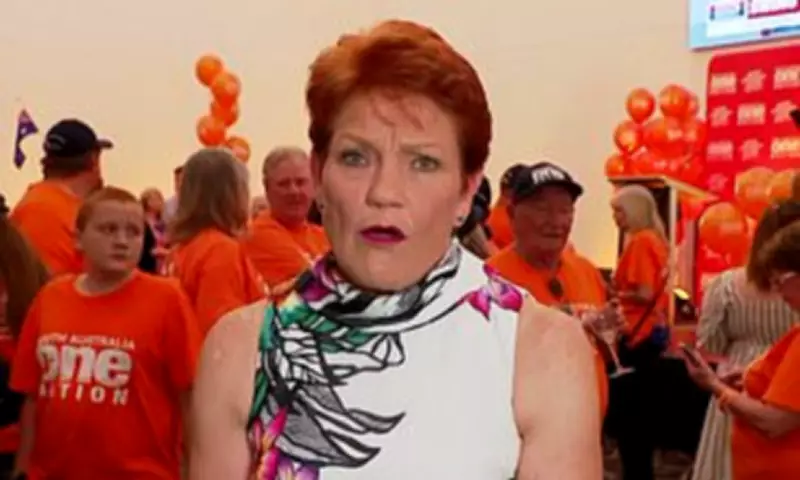
The Australian political landscape has been set ablaze with controversy following a fiery online declaration by One Nation leader Pauline Hanson, who asserted that "foreigners who aren't citizens shouldn't own Australian homes." This statement has divided public opinion across the nation, sparking intense discussions about property rights, immigration, and national priorities.
Government Policy and Hanson's Position Align Temporarily
The Australian Government has implemented a significant policy measure that partially echoes Hanson's sentiments. From April 1, 2025, to March 31, 2027, a temporary ban will be in effect prohibiting foreigners from purchasing established homes throughout the country. Established dwellings are specifically defined as residential properties that have been previously occupied or sold in prior transactions.
It is important to note that this policy maintains certain exceptions. Temporary residents will still retain the ability to apply for permission to purchase land parcels or newly constructed residential properties that have never been occupied previously. This nuanced approach attempts to balance housing market concerns with economic considerations.

Public Reaction Reveals Deep Divisions
Many Australian citizens have expressed strong agreement with Hanson's stringent views regarding property ownership restrictions for non-citizens. One supporter emphatically stated, "It's not a bold call, it's bloody common sense," while another commented, "Australians first. Other countries put their people first so why can't we?" A third individual noted, "It's not a silly idea considering so many countries already do it," with several respondents specifically pointing to Indonesia's regulations that prohibit foreigners from owning freehold land in Bali, which is strictly reserved for Indonesian citizens.
However, not all Australians support Hanson's hardline stance. One critic shared a personal perspective: "Disagree with this. My partner is not a citizen but has permanent residency. We own a home together. She also runs her own business and contributes significantly to the community that we are a part of." Another dissenting voice added, "I've been in Australia for nearly six years, working towards permanent residency. We work just as hard as anyone else, pay our taxes, just like you and work hard for every cent we have. We have just as much right to own a home on a permanent resident visa."
Broader Immigration Debate Intensifies
Hanson's property ownership comments emerged just hours after she admonished Australia's major political parties for failing to heed her longstanding warnings about immigration policies. "Immigration is a question of quantity and quality," she wrote in her social media post. "I don't want anyone here who is incompatible with our culture. I have been warning of this for decades, and look where we are."
Opposition Leader Angus Taylor has similarly declared that immigration has become "out of control" under the current Labor government administration. Taylor has promised a comprehensive reset to significantly reduce arrival numbers and enforce stronger standards if he assumes the Prime Minister role, including deporting individuals who have overstayed their visas beyond legal limits. "That migration has added extreme pressure to the housing market, to infrastructure, and to essential services," Taylor asserted. "Those pressures have shattered Australians' quality of life."
Minister for Defence Industry Pat Conroy responded critically to Taylor's statements, telling the ABC that the opposition leader was "desperately trying to compete with One Nation in a race to the bottom" regarding immigration rhetoric. Official Home Affairs Department figures reveal that approximately 25,000 individuals without valid visas have remained in Australia for more than ten years, adding factual context to these political exchanges.
The intersection of property ownership restrictions and immigration policy continues to generate heated discussion across Australian media platforms, political circles, and community gatherings, reflecting broader concerns about housing affordability, national identity, and economic participation in contemporary Australian society.