UK Government War-Games Summer Shortages as Iran Conflict Threatens Critical CO2 Supplies
The British public is being warned to prepare for potential summer shortages, with chicken and pork among a wide range of products at risk due to the ongoing war in Iran. A government-prepared 'reasonable worst case' scenario suggests that disruption to carbon dioxide supplies from the Middle East could have severe consequences across multiple sectors.
Healthcare Versus Food Production: The CO2 Prioritisation Dilemma
Ministers have been conducting emergency planning exercises, codenamed 'Exercise Turnstone', to determine how to allocate limited carbon dioxide supplies. The gas is critically important for healthcare applications, including MRI machines and water purification systems, as well as for civil nuclear power generation. Officials from Number 10, the Ministry of Defence and the Treasury all participated in these contingency planning sessions.
The prioritisation of CO2 for medical and energy needs could directly impact food production, as most pigs and chickens in the UK are slaughtered using the gas. The brewing industry and soft drinks manufacturing could also face significant disruption if supplies become constrained.

Exercise Turnstone: Planning for Extended Middle East Disruption
The government exercise considered a scenario where the Strait of Hormuz remains closed through June without any permanent ceasefire agreement. In such circumstances, factories could be legally compelled to focus all production efforts on generating carbon dioxide to meet national needs.
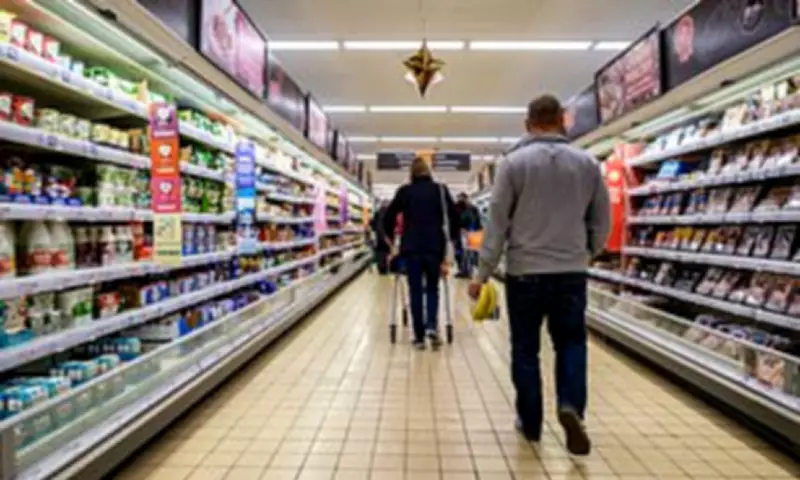
While overall food shortages were deemed unlikely in the government assessment, there were serious concerns that supermarket shoppers would experience dramatically reduced choice and availability of certain products. The situation adds to existing anxieties about potential diesel, jet fuel and fertiliser shortages resulting from the continued turmoil following Donald Trump's military actions against Iran.
Government Attempts to Reassure Public Amid Contingency Planning
Business Secretary Peter Kyle sought to calm public fears during media appearances, stating: 'At this moment, this is not a concern for the economy. If any of these things change, I will be up front with the public about it in advance so that we can prepare.'
Mr Kyle emphasised that people should continue with their normal activities, 'enjoying beer, enjoying their meats, enjoying all the salads', while acknowledging the critical importance of CO2 for medical scanning, water purification and nuclear industries.
The Business Secretary pointed to proactive measures already taken, including his decision to reverse the mothballing of the Ensus bio-ethanol plant in Teesside to secure additional carbon dioxide supplies. 'People should be reassured that we are doing this kind of action behind the scenes to keep resilience in our economy,' he told Times Radio.
Political Leadership and Long-Term Planning
Prime Minister Keir Starmer has been personally involved in the contingency planning from the beginning, according to government sources. Mr Kyle confirmed that the Prime Minister 'has been there since the very start, and he is going through personally and driving deep dives into lots of areas of resilience throughout our economy.'
The government maintains that while the Middle East situation continues to unfold unpredictably, comprehensive planning is underway to ensure the UK can respond with 'creativity and boldness' to whatever challenges may emerge in the coming months.