Matt Brittin's Tumultuous Start as BBC Director-General
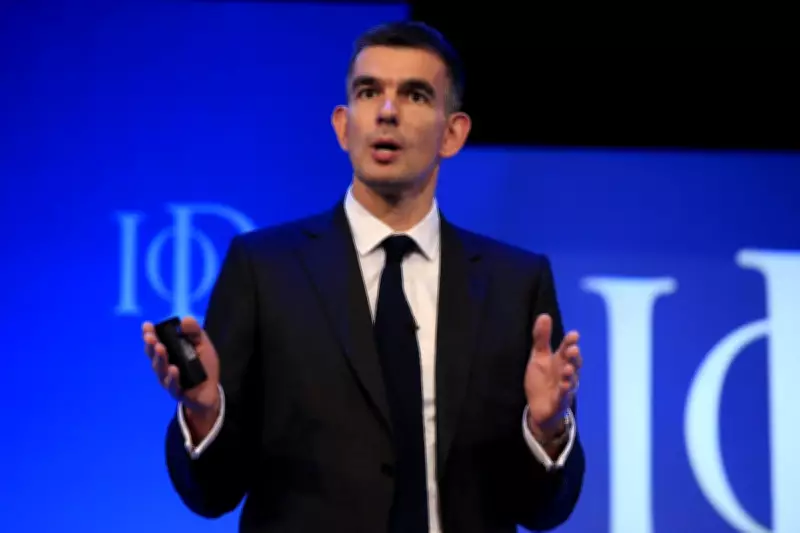
Former Google executive Matt Brittin has been appointed as the new director-general of the BBC, but he steps into the role at one of the most challenging periods in the corporation's history. The 57-year-old will officially begin on May 18, immediately confronting a perfect storm of legal, financial, and reputational crises that threaten the broadcaster's stability and future.
The $10 Billion Donald Trump Lawsuit
One of the most pressing issues awaiting Brittin is a monumental $10 billion (£7.5 billion) lawsuit filed by former US President Donald Trump. The legal action centres on a 2024 episode of the BBC's flagship documentary series Panorama, which Trump claims falsely implied he encouraged supporters to storm the Capitol building in 2021 following his election loss to Joe Biden.
The BBC has filed a motion to dismiss the Florida lawsuit, warning of a "chilling effect" on "robust reporting on public figures and events." In its legal submission, the corporation argued that "free speech must not be unduly burdened by defending against expensive yet groundless litigation," emphasising that Trump, as "among the most powerful and high-profile individuals in the world," requires particularly careful journalistic scrutiny.

BBC chairman Samir Shah has already apologised for an "error of judgment," acknowledging that the documentary's editing gave "the impression of a direct call for violent action." This controversy contributed to the resignation of outgoing director-general Tim Davie, leaving Brittin to navigate the legal and editorial fallout.
Bafta Film Awards Editing Scandal
Adding to the corporation's woes, the BBC faces severe criticism for allowing a racial slur to be broadcast during its coverage of the Bafta Film Awards last month. During the February 22 ceremony, campaigner John Davidson, who has Tourette's syndrome, was heard shouting offensive language as actors presented an award.
Despite a two-hour time delay, the slur aired, prompting the Culture, Media and Sport Committee to demand an explanation from Davie. He expressed "profound regret," calling it "a genuine mistake" that "should never have been broadcast." Davidson countered that the BBC should have "worked harder" to control the sound, highlighting systemic production failures.
This incident follows previous editing controversies, including the livestreaming of punk duo Bob Vylan's performance at Glastonbury Festival last year, where chants of "death to the IDF" were broadcast, drawing further criticism.
Licence Fee Funding Crisis
The BBC's financial model is under unprecedented strain, with the corporation declaring its current funding structure "not sustainable and needs reform." In response to a government consultation, the BBC indicated willingness to consider "radical options" for future funding.
Currently, 94% of adults use BBC services monthly, but only 80% pay the £180 licence fee (rising from £174.50 on April 1). The BBC has suggested openness to fee reductions or more concessions to improve affordability, though it opposes a subscription model, warning it would create "a very different BBC" and undermine universality. Advertising on channels also appears ruled out, leaving Brittin to spearhead difficult negotiations over the broadcaster's economic survival.
BBC World Service Budget Cuts
The BBC World Service, funded jointly by the licence fee and the Foreign, Commonwealth and Development Office, has seen its budget fall by 21% in real terms between 2021 and 2026. A recent Public Accounts Committee inquiry warned the service risks losing its status as the most-trusted international broadcaster due to inadequate investment.
Despite reaching 313 million weekly listeners across 43 languages, the World Service faces intensified competition from state-backed media in Russia and China, which invest £6-8 billion annually in global operations. Foreign Secretary Yvette Cooper has announced an additional £33 million over three years, but this may prove insufficient against geopolitical rivals.

Public Trust in "Full-On Crisis"
Perhaps most daunting for Brittin is the erosion of public trust. Outgoing director-general Tim Davie has described trust in institutions like the BBC as being in "full-on crisis," admitting to "serious mistakes" that have damaged credibility.
Davie noted that while the UK is "well ahead of the world" in institutional strength, trust must be rebuilt by demonstrating that the BBC acts in the public interest and listens to audiences. Brittin's success will hinge on his ability to restore confidence among disaffected viewers and stakeholders, balancing editorial integrity with financial and political pressures.
As Matt Brittin prepares to lead the BBC, he inherits an organisation grappling with existential threats. From courtroom battles with a former US president to fundamental questions over its funding and purpose, his tenure will test whether the BBC can adapt to survive while maintaining its core public service values.