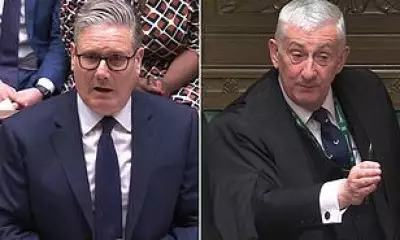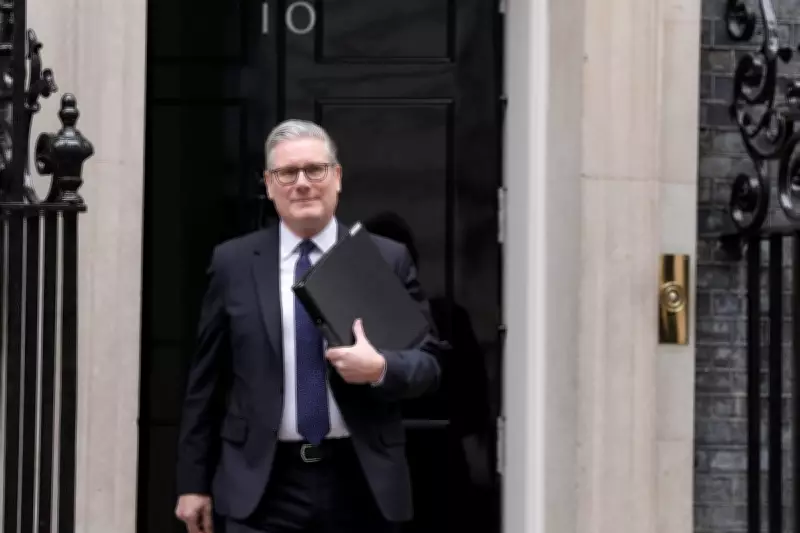
Prime Minister Sir Keir Starmer has delivered a stark admission to the House of Commons, describing it as "staggering" that he was not informed about Lord Peter Mandelson's failed security vetting before appointing him as ambassador to the United States. The Prime Minister faced MPs to outline the flawed process that allowed the controversial peer to receive clearance despite security experts recommending against it.
Security Breach Revealed
Sir Keir revealed that Foreign Office officials approved Lord Mandelson's developed vetting status, which granted him access to secret information for his Washington role, even though UK Security Vetting (UKSV) – the agency responsible for conducting assessments – had declined to approve the peer. The Prime Minister acknowledged that Parliament should have been informed about this security breach "a long time ago."
Consequences and Accountability
Upon discovering last week that Lord Mandelson's vetting status had been granted despite failing the UKSV check, Sir Keir effectively fired the Foreign Office's top civil servant Sir Olly Robbins. However, the Prime Minister insisted on taking personal responsibility for the ultimate decision to appoint the former Cabinet minister to the sensitive diplomatic post.

"At the heart of this, there is also a judgment I made that was wrong. I should not have appointed Peter Mandelson," Sir Keir told MPs. "I take responsibility for that decision, and I apologise again to the victims of the paedophile Jeffrey Epstein, who were clearly failed by my decision."
Background of the Controversy
Lord Mandelson was sacked from his ambassadorial position in September last year following revelations about the extent of his relationship with disgraced financier Jeffrey Epstein. The Prime Minister stated unequivocally that he would not have proceeded with the appointment had he known about the UKSV's negative assessment.
The development raises serious questions about communication protocols within government security processes and the oversight of high-level diplomatic appointments. Sir Keir's admission marks a significant moment of accountability in what has become a major security and political controversy.