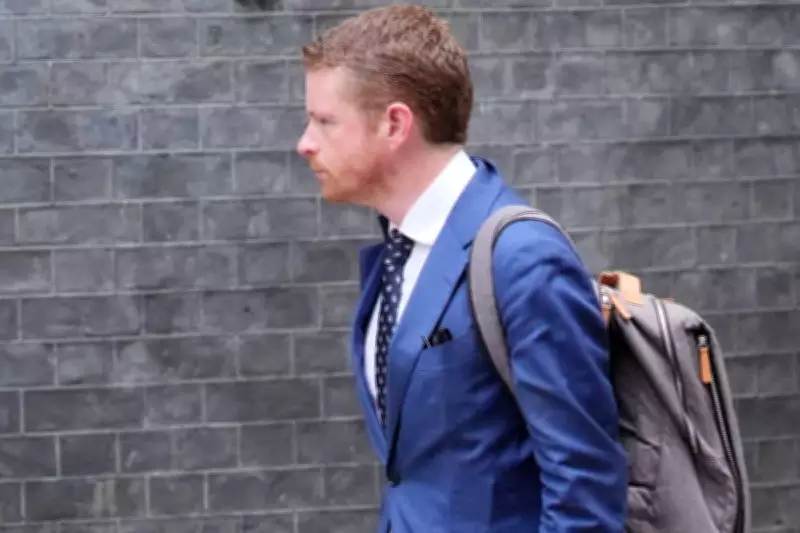
The Metropolitan Police have launched a review of closed-circuit television footage from the day Sir Keir Starmer's former chief of staff had his mobile phone stolen, according to recent reports. This development follows the theft of ex-top aide Morgan McSweeney's device, an incident that has significant political ramifications as it means crucial messages concerning Lord Peter Mandelson's appointment as US ambassador will not be made public.
Political Fallout from the Phone Theft
The loss of McSweeney's phone comes amid heightened scrutiny from Members of Parliament, who in February moved to compel the publication of tens of thousands of documents. These files aim to uncover the extent of knowledge regarding Lord Mandelson's connections to financier Jeffrey Epstein before the peer was appointed to the prestigious Washington role.
Opposition Claims and Government Response
Conservative Party leader Kemi Badenoch has been among the opposition figures suggesting the phone theft appears suspicious, describing it as "fishy" in public remarks. However, Sir Keir Starmer has dismissed such assertions as "far-fetched," emphasizing that the theft occurred in October—months before the parliamentary vote that triggered the document release.

According to The Times newspaper, police are now examining CCTV from the Pimlico area of central London, where the theft took place, to establish the factual circumstances of the case. Authorities may also seek further clarification from McSweeney himself as part of this investigative review.
Investigative Irregularities and Transcript Release
In an unusual procedural step, the Metropolitan Police released a transcript of McSweeney's emergency 999 call reporting the phone theft. The transcript revealed an administrative error: the Met incorrectly recorded the theft as occurring in east London rather than Westminster. This mistake arose because McSweeney mistakenly provided his location as Belgrave Street instead of Belgrave Road during the October 20 call.
Broader Implications for Mandelson Documents
Meanwhile, Lord Mandelson is expected to be asked to supply messages from his personal mobile phone as part of the ongoing disclosure of files related to his ambassadorial appointment. Government sources indicate that the Cabinet Office is developing an information-gathering plan and will request the former Labour grandee to provide all relevant correspondence within the scope of the parliamentary address used to compel transparency.
Lord Mandelson, a political appointee rather than a career diplomat, was dismissed from his Washington role in September of last year due to his associations with Epstein, who died in 2019. The initial batch of documents concerning this decision was published earlier this month following MP demands, with additional releases anticipated.
McSweeney's Departure and Political Blame
Morgan McSweeney resigned from his Downing Street position last month, with many political observers attributing his exit to his advocacy for Lord Mandelson's controversial appointment. This context adds layers to the ongoing police investigation, as the stolen phone's contents could have shed light on internal discussions and decision-making processes.
The Metropolitan Police's CCTV review represents a critical effort to clarify the circumstances surrounding the theft, potentially addressing concerns about transparency and accountability in high-profile political appointments. As the investigation progresses, further details may emerge regarding the timing and motives behind the incident.