Reform UK Candidate Steps Down Following Nazi Salute Photo Controversy
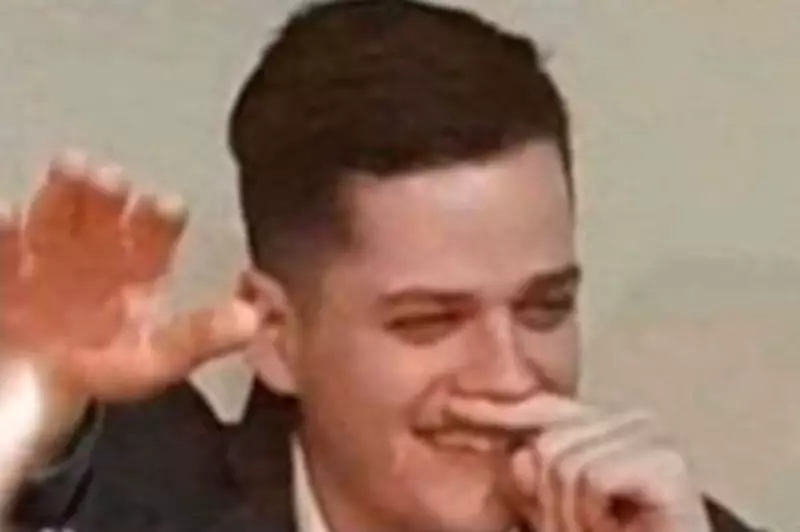
Corey Edwards, a former Conservative ministerial adviser who was recently unveiled as a Reform UK candidate for the upcoming Senedd elections in May, has withdrawn from the race. His decision came just days after photographs surfaced online showing him appearing to perform a Nazi salute, sparking immediate condemnation and raising fresh concerns about racism within Nigel Farage's political party.
'It Looks Bad': Candidate's Own Assessment of Controversial Gesture
Edwards, who was set to be the prospective lead candidate for the Pen-y-Bont Bro Morgannwg constituency, acknowledged the damaging nature of the images with remarkable understatement. "It looks bad," he declared shortly after the photos emerged, displaying what might charitably be described as limited political acuity for someone seeking public office.
The photographs show Edwards raising one arm while holding his other hand across his upper lip in what appears to be an imitation of Adolf Hitler's distinctive moustache. Party leader Nigel Farage conceded that the incident "looked terrible" and stated he "wouldn't approve of it," but stopped short of expelling Edwards from the party, instead describing the gesture as a "Basil Fawlty impression."

Shifting Explanations and Mental Health Considerations
Edwards initially apologised for the picture, claiming it had been taken "many years ago" and describing Hitler's regime as "barbaric." He later offered an alternative explanation, suggesting he had actually been impersonating Welsh footballer Wayne Hennessey, who faced controversy in 2019 when charged by the Football Association for making an offensive gesture he claimed not to recognise as a Nazi salute.
The former candidate ultimately cited mental health concerns as his reason for standing aside, though Reform UK appeared to acknowledge his culpability. A party spokesperson commented: "We're not willing to write people off forever because of mistakes they made when they were young people."
Pattern of Racism Controversies Within Reform UK
This latest incident must be understood within a broader context of multiple racism controversies involving Reform UK representatives across the country. The party, which secured nearly a thousand local councillors in last May's elections, continues to face scrutiny over the conduct of both elected officials and prospective candidates.
Earlier this month, George Finch, Reform UK's youngest-elected official who leads Warwickshire County Council at just 19 years old, made headlines by suggesting he would like to "ban" Black History Month. He explained his position by stating: "I shouldn't have to watch Nelson Mandela films every day just because it's November" - despite the fact that Black History Month actually occurs in October.
Staffordshire Council: A Case Study in Controversy
The situation at Reform-led Staffordshire Council provides particularly troubling examples. Chris Large, who briefly led the Reform group controlling Staffordshire County Council, denied allegations that he had posted racist comments on social media or endorsed a description of David Lammy as a "none thoroughbred." He resigned during an investigation, citing a bereavement, and appears to have subsequently had the party whip removed.
This incident proved especially embarrassing as Large's predecessor, Ian Cooper, had also quit as county council leader in December following a probe into racism allegations linked to social media activity. Meanwhile, Peter Mason, a Reform councillor for Burton South in east Staffordshire, apologised after social media posts emerged containing derogatory racial remarks describing Black women as "politically indoctrinated British-hating scum."
Anti-racist campaign group Hope Not Hate has additionally uncovered offensive remarks directed at people from Africa posted by Lynn Dean, another Staffordshire councillor, before her election. The pattern suggests systemic issues rather than isolated incidents.

National Scale of the Problem
The racism controversies extend far beyond Staffordshire. In Scotland, at least fifteen potential Reform candidates have been identified as members of an extreme, racist and anti-Muslim campaign group. In Hampshire, mayoral candidate Chris Parry was suspended pending investigation into comments made online following the Golders Green ambulance attack.
These incidents collectively represent a disturbing snapshot of racist sentiment within certain political circles. As a society, Britain faces a moment of reckoning where the familiar refrain "This is not who we are" becomes increasingly difficult to maintain without deliberate blindness to mounting evidence.
Chilling Electoral Reality
Perhaps most concerning is the electoral reality that millions of voters appear prepared to support candidates with racist views, sometimes specifically because of those views rather than despite them. With multiple elections approaching in May, this pattern raises urgent questions about the direction of British politics and the values being normalised within the political mainstream.
If this moment does not represent the right time to confront and eliminate such attitudes from political discourse, then when will that time come? The withdrawal of Corey Edwards represents not an endpoint but another chapter in an ongoing story of racism within Reform UK that continues to challenge Britain's political conscience.