SNP Unveils Manifesto with Radical Cost-of-Living Measures
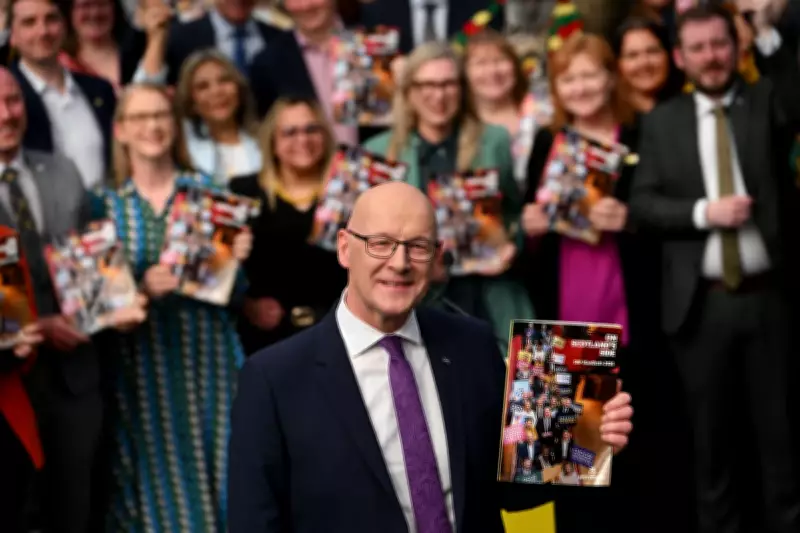
First Minister John Swinney has launched the Scottish National Party's manifesto for the upcoming Holyrood election, promising "bold action" to tackle the cost-of-living crisis. The centrepiece policies include a pledge not to raise income tax rates and an unprecedented plan to cap the prices of essential food items in large supermarkets.
Controversial Food Price Cap Proposal
At a manifesto launch event in Glasgow, Swinney announced that between 20 and 50 essential food items would have their prices capped if the SNP is re-elected on May 7. The First Minister specifically mentioned staples like bread, milk, and eggs would be covered under what he termed "fair food prices" for "everyday items that make up a decent diet."
"Things have got so tough it is now impacting upon our nation's nutrition," Swinney told supporters, arguing the policy would help reduce weekly shopping costs and put more money in people's pockets.

The Scottish Government plans to use public health powers to implement the caps, with legislation to be introduced early in the new parliamentary term. Individual item prices would be determined by ministers, and a "sunset clause" would ensure the measure is scrapped when no longer needed.
Legal and Political Challenges Ahead
This ambitious policy faces significant hurdles, including potential legal challenges from retailers and possible blocking by the UK Government under the Internal Market Act. The Press Association understands SNP ministers are prepared to take supermarket giants to court if necessary.
Ewan McDonald-Russell, deputy head of the Scottish Retail Consortium, criticised the approach as "wrongheaded," suggesting instead that more money should be directed to retailers to enable them to lower consumer costs.
The UK Government blocking the policy could create political difficulties for Prime Minister Sir Keir Starmer, who would likely face accusations from the SNP of increasing household bills.
Tax Freeze and Transport Commitment
The 76-page manifesto also contains a firm commitment not to increase income tax rates or add new tax bands during the next parliament. Swinney promised to "simplify" Scotland's tax regime, which he described as "the most progressive in the United Kingdom."
When asked if this simplification might involve merging the bottom three tax bands, the First Minister declined to answer directly, though sources suggest such a move could be under consideration by an SNP administration.
In another significant transport pledge, Swinney promised to cap bus fares at £2 per journey across Scotland, with no geographical restrictions. This means even a lengthy journey from Glasgow to Skye would cost just £2. The policy would include subsidies for bus companies to cover the difference.
Independence Ambitions and Political Context
Swinney framed the manifesto as offering "experienced, principled, reliable leadership" during "troubling and uncertain times." He made clear that supporting the SNP represents "a vote to put Scotland's future in Scotland's hands" through another independence referendum, which he declared "I intend to win."
The manifesto launch coincided with a Daily Telegraph poll suggesting the SNP could secure 67 seats in Holyrood, potentially giving them a majority. The multilevel regression and post-stratification poll by JL Partners forecasts Labour winning 19 seats, Reform UK 17, Conservatives 10, Liberal Democrats 7, and Greens 9.
Opposition Criticism
Scottish Labour's deputy leader Dame Jackie Baillie dismissed the manifesto, stating: "After 20 years of failure, Scotland knows SNP promises are not worth the paper they are written on." She pointed to what she described as the SNP's record of NHS crises, declining schools, rising crime, child homelessness, and poor infrastructure.
Scottish Liberal Democrat deputy leader Wendy Chamberlain was equally critical, calling the manifesto "a drab document produced by a party that's run out of steam" and accusing the SNP of offering "implausible freebies they've promised and then failed to deliver time and again."

Despite the opposition criticism, Swinney positioned his party as offering substantive solutions to economic pressures facing Scottish households, with the food price cap representing one of the most interventionist retail policies proposed by any major UK political party in recent years.