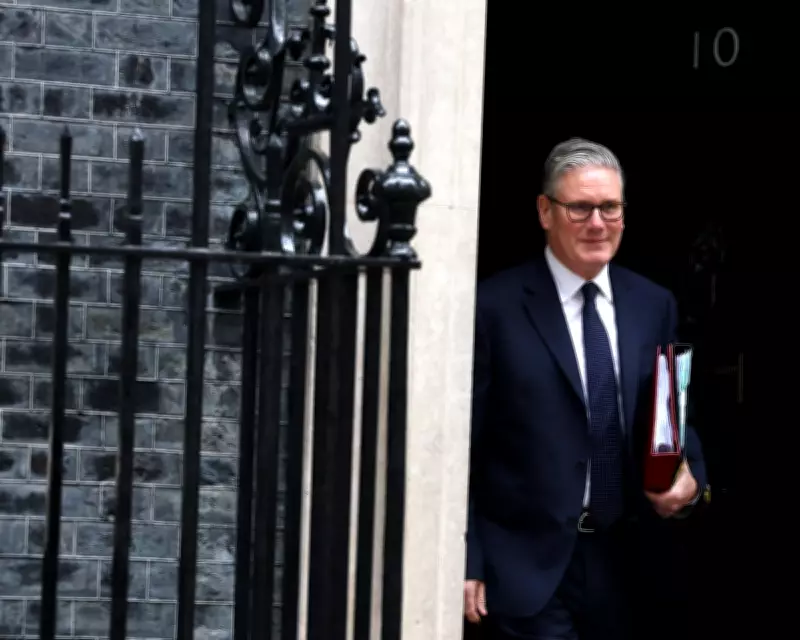
Starmer's Leadership Under Scrutiny as Global Energy Crisis Looms
Public reassurance stands as a fundamental duty of government during turbulent times, yet recent history offers a stark lesson in mismanagement. The early months of the Covid pandemic revealed how indecision and denial, exemplified by Boris Johnson's paralysis, can lead to widespread panic and shortages. Sir Keir Starmer, while differing markedly from Mr Johnson in temperament and work ethic, now confronts a similar challenge: staying ahead of events in a volatile global crisis.
The Unpredictable Nature of International Conflict
The current turbulence stems not from a predictable pathogen but from the impulsive actions of a superpower, with Donald Trump's rogue maneuvers defying precise anticipation. Sir Keir has minimal influence over the Middle East's unfolding events, yet he demonstrated prudent judgment by refusing to deploy British forces under Mr Trump's command to bomb Iran. As the prime minister notes, this is not Britain's war, but it undeniably presents a long-term problem for the nation.
Even under optimistic scenarios, such as the swift reopening of the Strait of Hormuz, the Gulf states' energy export capacity will require years to recover. Vital commodities will not immediately return to normal supply chains, leading to probable shortages and a certain period of elevated inflation.

Economic and Political Fallout
Chancellor Rachel Reeves has expressed frustration and anger over the US decision to initiate a war with ambiguous objectives and no clear exit strategy. Her financial plans, including the £24 billion of fiscal headroom projected in March's spring statement, have been swiftly overtaken by events. She faces increasing pressure to provide emergency support for households grappling with higher bills, while international conflict fuels demands for boosted defence spending.
Slower economic growth depletes Treasury revenues, and high borrowing costs compound the fiscal strain. Painful tax and spending decisions loom on the horizon, exacerbated by depleted public reserves of goodwill towards the government.
The Need for a Clear and Proactive Strategy
The prime minister's typical response to such trials involves maintaining business as usual, expressing sympathy for public discontent, and promising eventual improvements. However, this message lacks a compelling overarching purpose and governing vision, failing to resonate with voters.
The potential scale of upcoming disruptions demands a different approach. While Britain might avoid the severe energy privations affecting parts of Asia, it would be unwise to assume a mild price shock, resilient supply, or a shallow dip in global output. The public must be prepared for significant disruption and encouraged to adopt more efficient energy usage.
Ministers rightly avoid triggering panic by highlighting shortages or depressing consumers with grim forecasts. Yet, it is equally irresponsible to pretend that nothing has changed or that existing budgets can withstand another spike in living costs.
Forging a Path Forward
A balanced strategy requires a sober assessment of risks and visible readiness to mitigate them. Sir Keir cannot be held accountable for the economic consequences of a war he did not start, but he must now have—and be seen to have—a comprehensive plan for a severe and prolonged crisis. This entails navigating between needless anxiety and outright denial, ensuring the government is prepared to support citizens through uncertain times.