Trump's Unplanned Iran Strikes Trigger Global Economic Crisis
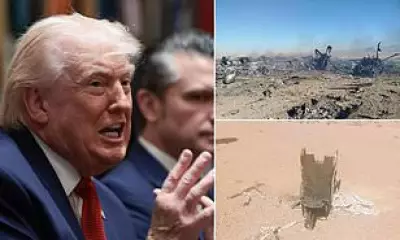
The recent military confrontation initiated by Donald Trump against Iran has revealed a profound lack of strategic planning, leaving the global economy dangerously exposed. What began as targeted strikes has escalated into a full-blown crisis, with the world now scrambling to manage the consequences of an action launched without proper preparation or international consultation.
Catastrophic Planning and Global Repercussions
Military conflicts are typically evaluated based on their execution, but this confrontation demands assessment of its catastrophic planning deficiencies. The crisis unfolding in the Strait of Hormuz demonstrates not merely a miscalculation by the Trump administration, but an almost complete absence of serious preparations for a war they deliberately initiated. This approach resembles setting a building ablaze only to subsequently inquire about firefighting equipment availability.
For decades, military strategists and energy analysts consistently warned that any confrontation with Iran would inevitably involve Tehran targeting the narrow maritime chokepoint through which approximately twenty percent of global oil supplies flow. This represented the most obvious and significant risk, a glaring warning signal that has now materialized with devastating consequences.

Leadership Vacuum and Erratic Behavior
As the crisis intensifies, Trump appears both stunned and overwhelmed by developments. Remarkably, there existed no pre-established coalition to secure vital shipping lanes, no coordinated international response mechanism, and no visible economic strategy to mitigate the inevitable impact. Most damningly, the president failed to consult with allied nations before authorizing military strikes.
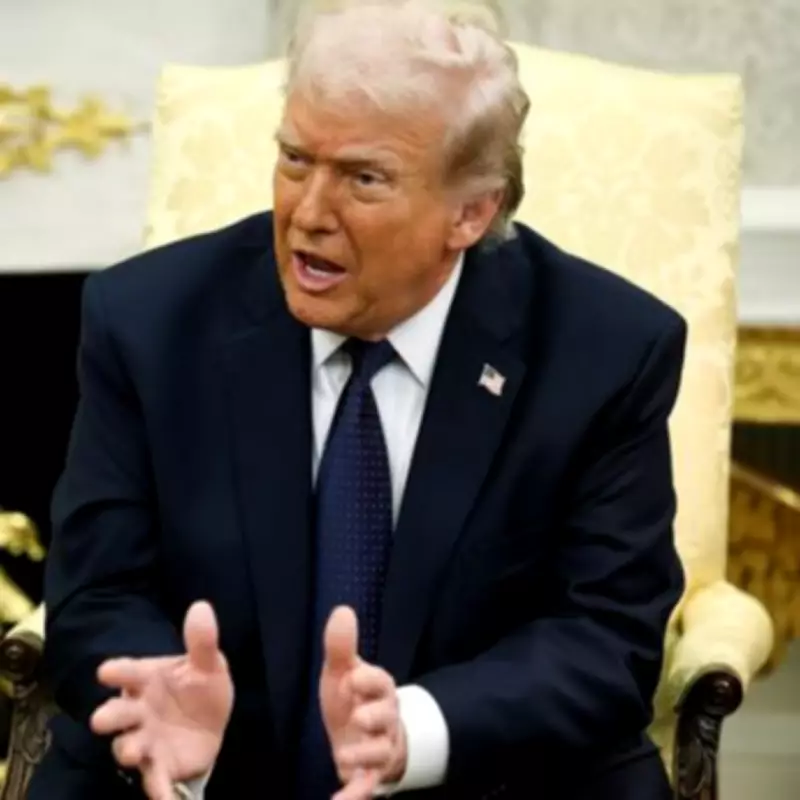
The White House has oscillated between premature victory declarations and desperate pleas for assistance, conducting geopolitics somewhere between bravado and blind panic. Trump's behavior has grown increasingly erratic, alternating between attacking allies for insufficient support and boasting about territorial ambitions as if global politics represented a simplistic imperial board game. These are not the measured statements of steady leadership but rather the disconnected rantings of a leader detached from geopolitical realities.
Strategic Petroleum Reserve Mismanagement
Had the administration undertaken even basic preparatory measures, the current situation might appear substantially different. Consider the Strategic Petroleum Reserve, containing over 400 million barrels specifically designed for such emergencies. No early action was taken to release oil reserves before the crisis escalated, nor were signals sent to calm volatile markets.
Consequently, markets were abandoned to panic-driven speculation. Oil prices spiked dramatically, uncertainty proliferated, and the precise economic shock that experts had long predicted arrived exactly as forecast. This represents not merely poor planning but systematic strategic failure.
Energy Policy Shortsightedness
The administration's energy policy approach, or lack thereof, has compounded these problems. For years, the United States could have reduced its vulnerability by investing in alternative energy sources and decreasing reliance on volatile oil transit routes. Instead, the Trump administration obstructed renewable energy development, treating clean energy initiatives as ideological inconveniences rather than strategic necessities.
At precisely the moment when diversification should have been prioritized, Trump intensified dependence on traditional energy sources. This represents not merely short-term thinking but strategic incompetence of the highest order.
Global Comparisons and American Vulnerability
The irony remains unmistakable. Nations once considered most vulnerable to oil supply disruptions now demonstrate greater resilience. China, which imports more oil through the Strait of Hormuz than the United States, has invested substantially in battery technology and electric vehicle infrastructure, emerging as comparatively better positioned to weather the crisis.

While Trump adhered rigidly to outdated approaches, other nations prepared for future challenges. Presently, America appears to lack any credible strategy to stabilize the deteriorating situation. There exists no quick solution for escalating oil prices, no coherent plan beyond reactive measures. The only meaningful resolution involves reopening the Strait of Hormuz, which exposes the administration's most glaring failure: no contingency existed to ensure the waterway remained accessible.
Coalition Building Failure
No pre-arranged international coalition was established, no coordinated naval presence prepared, no diplomatic groundwork completed. The president who previously insisted he required no allies now desperately attempts to assemble support networks. This represents not leadership but improvisation, revealing deeper systemic problems within contemporary American governance.
The United States currently lacks a government guided by strategic foresight. Instead, it operates as a collection of Trump loyalists functioning on instinct and impulse—a cabinet more comfortable with applause than substantive advice. Even segments of his political base are beginning to recognize these deficiencies. The MAGA movement that once celebrated every demonstration of strength now fractures as economic realities impact ordinary citizens. When chaos generates tangible costs for households, political slogans rapidly lose their appeal.
Broader Implications and Global Responsibility
The outcome is an America capable of initiating military conflict but incapable of managing its consequences. This distinction carries profound significance in the modern world, where wars extend beyond battlefields to encompass global economic systems and international relations. Victory requires meticulous preparation and comprehensive understanding of post-conflict scenarios. On these critical measures, the Trump administration has failed comprehensively.
While numerous dangerous actors populate the global stage—from Vladimir Putin's brutal warfare to Kim Jong-un's nuclear posturing and China's economic confrontations—Trump distinguishes himself for different reasons. He represents not merely another geopolitical risk but an accelerant of instability. Through reckless actions, ally alienation, and strategic abandonment, he enables instability across multiple fronts. As the pivotal figure who has transformed an already tense international environment into something substantially more dangerous, his choices have produced avoidable consequences.
This crisis resulted not from inevitability but from deliberate decisions: ignoring decades of warnings, neglecting essential preparations, and confusing confidence with competence. The costs now extend beyond Washington and Tehran to households and economies worldwide, including significant impacts within the United Kingdom. This represents the true measure of failure—not merely a poorly conceived military action, but a crisis dramatically worsened by the complete absence of serious contingency planning, the political equivalent of parachuting from an aircraft only to subsequently inquire about safety equipment.