Trump's Endorsement Fails to Save Orbán in Hungarian Election Landslide
Viktor Orbán's sixteen-year transformation of Hungary into his vision of an "illiberal democracy" has been dramatically overturned in a single election night. The Hungarian prime minister, who had actively courted Donald Trump's support, suffered a crushing defeat to challenger Peter Magyar, with analysts suggesting Trump's endorsement may have actually harmed his chances.
The Failed Trump-Orbán Alliance
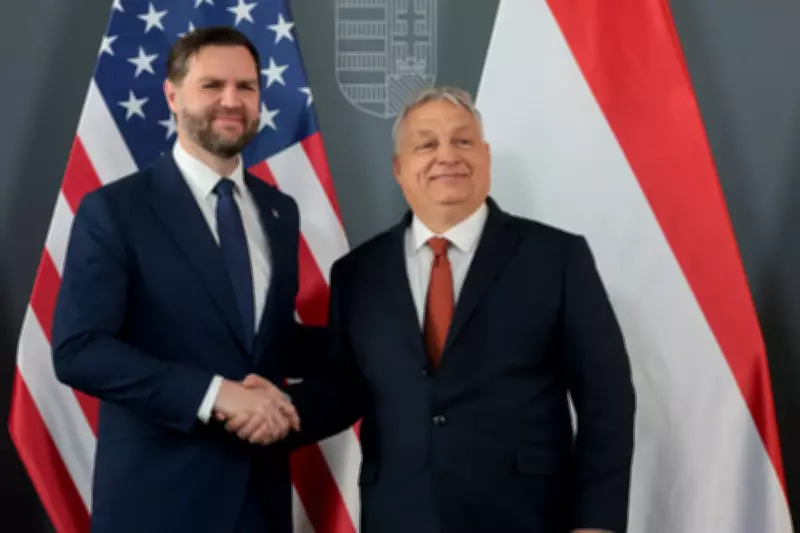
In the crucial days before the election, Donald Trump offered Orbán his "Complete and Total Endorsement," urging Hungarians to "GET OUT AND VOTE FOR VIKTOR ORBÁN." The American president went further, dispatching Vice President JD Vance to campaign alongside Orbán in Budapest as polls showed Magyar gaining momentum.
Trump had previously hosted Orbán at the White House in November, praising the Hungarian leader's hardline immigration stance and showing sympathy for Hungary's reliance on Russian energy. Orbán secured a valuable exemption from US sanctions on Russia during this visit, with no American protests against his cozy relationship with Moscow.

Rejection of Orbán's Political Model
Orbán's defeat represents a clear rejection of what critics have called his "Trumpian" approach to governance. During his tenure, Orbán consolidated power around himself, justifying his alternative system as necessary to preserve Hungary's Christian heritage and ward off outsiders.
"He was essentially doing what Donald Trump is trying to do here in the United States," Senator Chris Van Hollen, a Maryland Democrat, told AP. "My read of the election is that the people of Hungary rejected that, just like people in the United States are rejecting that here at home."
Under Orbán's leadership, Fidesz implemented numerous controversial measures:
- Crackdowns on migration and LGBT rights
- Attacks on press freedom and independent media
- Restructuring of the judiciary to favor party loyalists
- Redrawing legislative districts to protect Fidesz majorities
European Backlash Against Trump Connections
The Trump administration's involvement in the Hungarian election drew criticism across Europe, particularly given widespread opposition to the ongoing conflict in Iran. Diana Sosoaca, a far-right member of the European Parliament from Romania, called Vance's Hungarian visit "a big mistake" given continental revulsion at the Iran war.
In a related development, Germany's far-right AfD party is reportedly distancing itself from public appearances with the Trump administration as the unpopular Middle East conflict continues. According to sources, party co-leader Alice Weidel recently advised lawmakers to reduce high-profile trips to the United States to cozy up to MAGA Republicans.
Magyar's Victory and the Road Ahead
Peter Magyar's landslide victory has handed him a comfortable majority in Hungary's 199-seat legislature, opening the door for meaningful reforms. However, experts warn that Orbán has prepared numerous obstacles for any successor.
Dr. Jonathan Eyal, associate director at the Royal United Services Institute, explained that Orbán has waged two campaigns: "One was a very direct frontal assault to stop him getting elected. The second one was to plant landmines everywhere to ensure that if he does get elected, he cannot succeed."
Magyar will likely face "guerilla warfare" through disobedience campaigns in the countryside and parliamentary blockages. Orbán has already committed spending to communities, potentially constraining the new leader or forcing him to abandon Fidesz's promises.

Implications for European Geopolitics
The change in leadership represents significant geopolitical implications, particularly regarding Hungary's relationship with Russia. As a landlocked nation largely dependent on Russian oil and gas, Hungary has served as a valuable access point for the Kremlin to influence European support for Ukraine.
Frustrations with Hungary blocking aid to Ukraine had ballooned into accusations of outright collaboration with Russia, especially after leaked conversations appeared to show Orbán and his foreign minister pandering to Moscow.
While Magyar is likely to remain "suspicious" of Ukraine according to Dr. Eyal, he is expected to be "unobstructive" in Europe, potentially allowing a crucial €90 billion loan for Ukraine to pass. During his campaign, Magyar advocated for "pragmatism" in the conflict, emphasizing mutual sovereignty between nations.
The new Hungarian leader will need to carefully balance EU demands with domestic public opinion, as nationwide polling shows only 34% of voters want a new approach to Ukraine, while 32% prefer continuing Fidesz's reluctance to get involved.