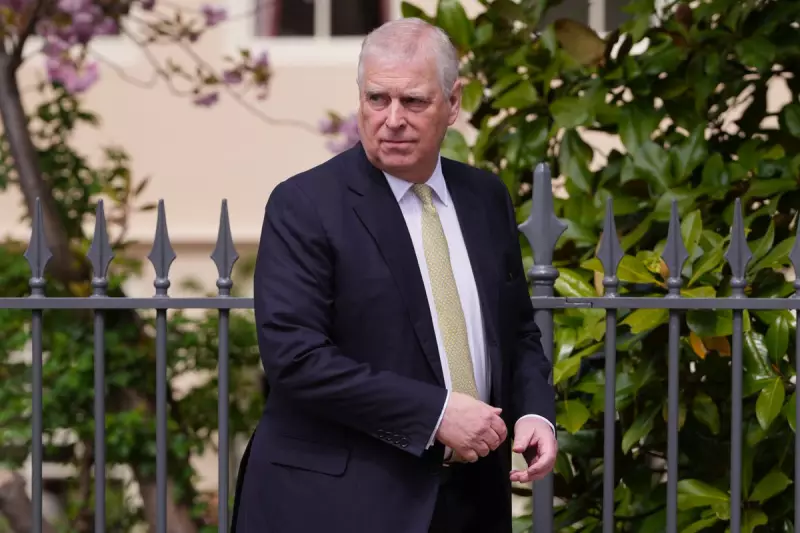
The Cabinet Office is facing serious allegations of orchestrating a cover-up after it prevented the release of official documents concerning Prince Andrew, the Duke of York.
'Administrative Error' Blamed for Withholding Documents
Official minutes from a 2004-2005 Downing Street file, which detailed Prince Andrew's travel arrangements during his tenure as a UK trade envoy, were at the centre of the controversy. These papers were initially shared with journalists under a standard embargo but were then abruptly redacted before they could be made publicly available at the National Archives.
In response to the incident, a spokesperson for the Cabinet Office stated the withholding was due to an "administrative error", insisting the sensitive documents were never intended for public disclosure in the first place.

Campaigners and MPs Condemn Lack of Transparency
The move has sparked fierce criticism from transparency advocates and politicians. The anti-monarchy campaign group Republic and Labour MP for York Central, Rachael Maskell, have both condemned the decision.
They argue there is no valid justification for sealing the papers, particularly given Prince Andrew's diminished royal standing. The Duke was stripped of his military affiliations and royal patronages in 2022 and no longer uses his HRH style, following the civil sexual assault case brought against him in the US, which he settled without admission of liability. His past association with the convicted sex offender Jeffrey Epstein has also fuelled demands for greater openness.
A Broader Pattern of Royal Secrecy
This incident is not viewed in isolation. Critics point to it as evidence of a broader, established pattern where files connected to the royal family are routinely withheld from public release. This practice is facilitated by exemptions within the Public Records Act, which governs when official documents are transferred to the National Archives and made accessible.
The controversy raises significant questions about governmental transparency and accountability, especially concerning figures who have stepped back from public life but whose past official roles were funded by the taxpayer.