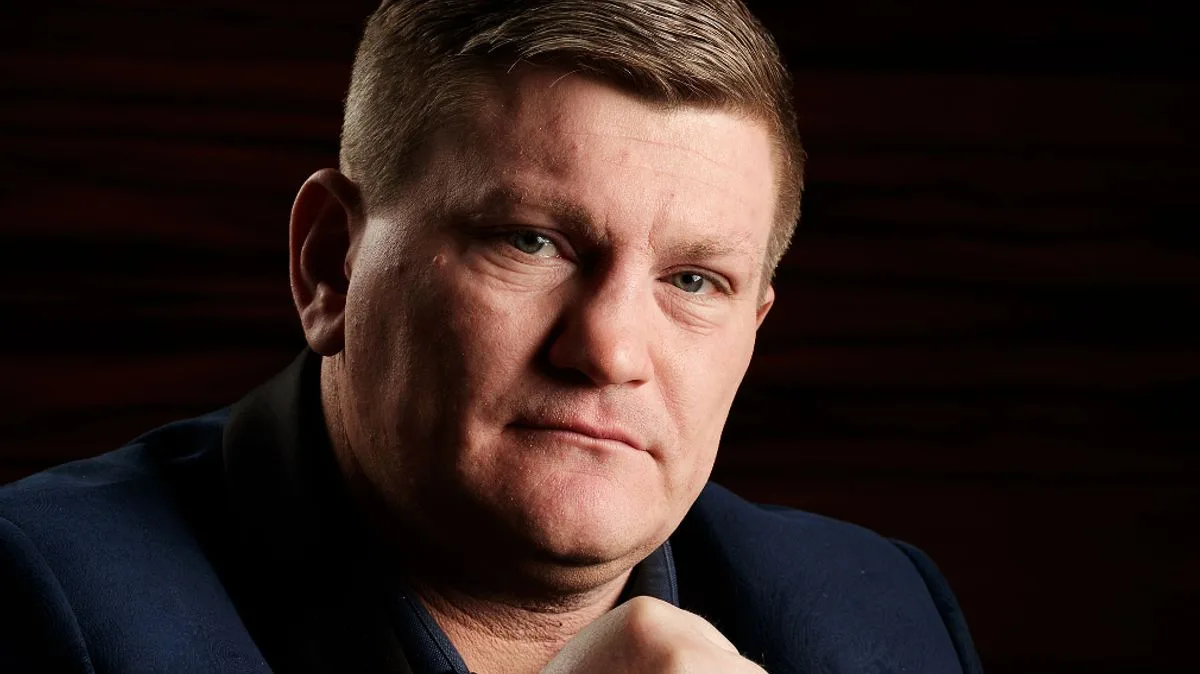
Ricky Hatton's Brain Showed CTE Signs, Inquest Reveals
Ricky Hatton's Brain Showed CTE Signs at Death

Ricky Hatton's Brain Revealed Degenerative Disease at Inquest

Boxing icon Ricky Hatton was found to have been suffering from a degenerative brain condition at the time of his death, a coroner's inquest has heard. Post-mortem examination of his brain tissue revealed clear signs of chronic traumatic encephalopathy, commonly known as CTE.

Evidence of Brain Trauma from Boxing Career

Medical experts presented findings showing "degenerative changes" in Hatton's brain that are typically associated with repeated trauma to the head. These changes are often observed in older individuals and can be linked to conditions such as Alzheimer's disease. The pathology was consistent with CTE, a condition frequently identified in boxers and other contact sport athletes who sustain multiple blows to the head throughout their careers.

However, the coroner emphasized that this brain damage was not considered a contributing factor to Hatton's death. The evidence indicated the CTE was at the milder end of the spectrum, though it could have led to memory loss and cognitive impairment over time.

Wide Pickt banner — collaborative shopping lists app for Telegram, phone mockup with grocery list

Circumstances Surrounding the Tragic Death

Senior coroner Alison Mutch recorded a narrative verdict, stating that Hatton's intention remained unclear. No suicide notes were discovered at the scene, and there was no evidence to suggest the 46-year-old former world champion had planned to end his life.

On the evening before his death, Hatton had taken his daughters and granddaughter out for a meal at a local pub. Family members described him as being in good spirits and looking forward to future plans, including an upcoming exhibition boxing match in Dubai.

Final Hours and Discovery

Detective Sergeant Helen Grigalis of Greater Manchester Police detailed the timeline of events. Hatton returned home around 7:55 PM after the family meal and sent a message to a friend shortly afterward. His phone was last unlocked just after midnight, with no further activity recorded.

The following morning, when Hatton failed to attend a scheduled engagement, his manager Paul Speak went to his home in Hyde, Greater Manchester. He discovered Hatton unresponsive in an upstairs games room, fully dressed with music playing and an empty wine bottle nearby. Emergency services were called but confirmed he had already died.

Family Testimonies and Legacy

In emotional statements read to the court, Hatton's family described him as a devoted father who had been in the best place emotionally in years, despite previous well-documented struggles with alcohol and substance abuse.

His son Campbell portrayed his father as "laid back" but "hugely determined" when it came to sports, adding: "He lived life – in and out of the ring – at 110% and always said he never regretted it. He was always generous with people and extremely well loved by all of us."

Jennifer Dooley, the mother of Hatton's daughters, testified that he remained a hands-on father following their separation and often expressed that he was happiest when spending time with his children. She noted that his daughters had been left heartbroken by his sudden passing.

Medical and Toxicological Findings

Forensic tests revealed that Hatton was significantly over the legal drink-drive limit at the time of his death. Traces of previous cocaine use and cannabis were also detected, though neither substance was believed to have contributed directly to his passing.

The family had noticed a decline in Hatton's short-term memory in recent years, which medical experts suggested could be related to the developing CTE. Despite these cognitive changes, relatives emphasized that Hatton had made substantial plans for the future and they did not believe his death was premeditated.

Police confirmed there were no signs of disturbance at the property and no evidence of suicidal ideation, leaving the precise circumstances of his death unresolved but with clear medical evidence of boxing-related brain trauma discovered during post-mortem analysis.

Pickt after-article banner — collaborative shopping lists app with family illustration