Congo's World Cup Qualification Sparks Nationwide Jubilation Amidst Conflict
The Democratic Republic of Congo has erupted in unprecedented celebration following a dramatic extra-time victory over Jamaica that secured the nation's first World Cup appearance in over half a century. The historic 1-0 win in Guadalajara, Mexico, has provided a rare moment of collective joy for a country long battered by violent conflict in its mineral-rich eastern territories.
A Goal That United a Divided Nation
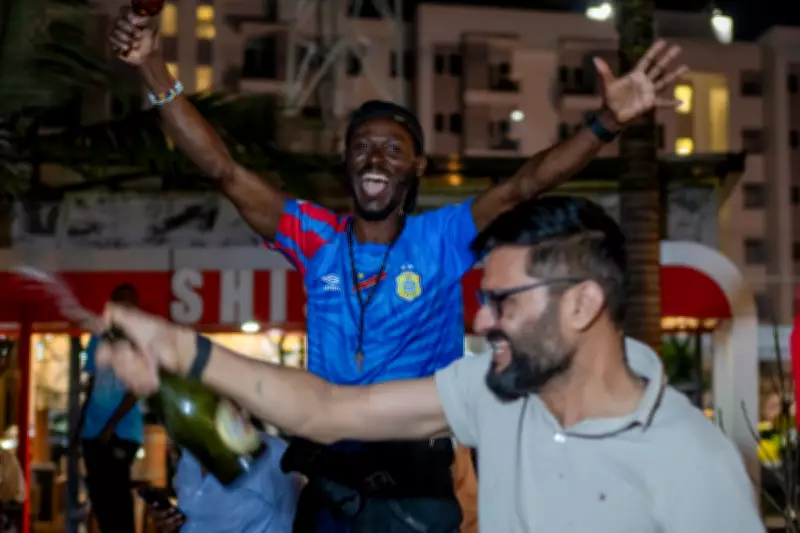
Across Congo's cities and villages, citizens danced, embraced, and shouted in jubilation after Axel Tuanzebe's 100th-minute goal following a corner kick sealed the crucial intercontinental playoff victory. This triumph represents far more than mere sporting achievement—it has temporarily bridged deep political and social divisions that have defined the nation for decades.
The victory comes as particularly poignant relief for millions of Congolese who have grown accustomed to grim news about the ongoing conflict between government forces and Rwanda-backed M23 rebels. This decades-long struggle has created one of the world's most severe humanitarian crises, displacing at least seven million people and claiming countless lives.

Historical Context and Contemporary Reality
Congo's last World Cup participation occurred in 1974 when the country competed under the name Zaire. The nation's reality has transformed dramatically since that tournament in West Germany. Today, rebel groups control significant territories in the resource-rich eastern provinces, with fighting intensifying since January 2025 despite international mediation efforts.
In Goma—the epicenter of violence that has been under rebel control for over a year—celebrations broke out spontaneously. "Look at this crowd, we are full of joy because the victory is ours," exclaimed an emotional Alain Kagama at a local bar. "It has been a long time since we smiled, but today we are happy."
Rare Unity Across Political Divides
The football achievement has drawn commendations from both government and rebel factions, creating unusual alignment in a typically fractured political landscape. Videos circulated showing President Felix Tshisekedi celebrating enthusiastically with football fans and officials, while M23 spokesman Lawrence Kanyuka told The Associated Press that "the whole nation is excited for the team."
Kanyuka emphasized, "It's a matter of joy, it's a pleasure that at the next World Cup, the Congolese national team will be represented." This shared pride marks a significant departure from the usual rhetoric of division that characterizes relations between the government and rebel groups.
Ongoing Conflict Contrasts with Sporting Triumph
The celebrations unfold against a backdrop of continued violence in eastern Congo. Despite a truce brokered by the United States and Qatar, clashes and drone strikes persist, including a February incident that killed a senior rebel official. The M23's lightning offensive through the eastern region saw them seize key cities including Goma and Bukavu, creating humanitarian catastrophe even as the national football team prepared for their historic playoff.
World Cup Group Stage and National Aspirations
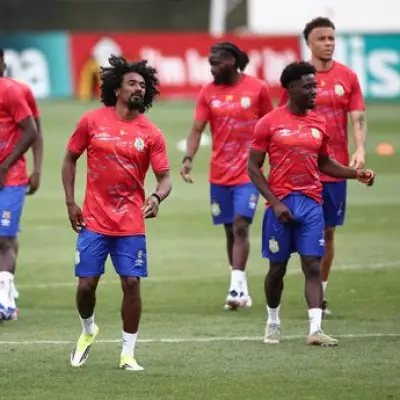
With their victory, Congo completes Group K at the 2026 World Cup, where they will face Colombia, Portugal, and Uzbekistan. As players celebrated on the pitch at Akron Stadium in Mexico, millions of Congolese remained glued to screens across the nation, cherishing a moment many feared might never arrive.
Christian Mihigo, another fan in Goma, captured the generational significance: "Today is truly a historic day... It was our parents who last saw us at the World Cup, but today we are part of a story that we will tell our children."
The qualification represents more than sporting success—it offers a temporary respite from conflict, a symbol of national potential, and a rare unifying force for a country that has known little but division in recent memory.