Daylight Saving Concludes Across Australia This Weekend
Millions of Australians are set to enjoy an additional hour of sleep this weekend as daylight saving time comes to an end. However, recent studies indicate that not everyone will fully benefit from this seasonal adjustment.
Time Change Details and Regional Variations
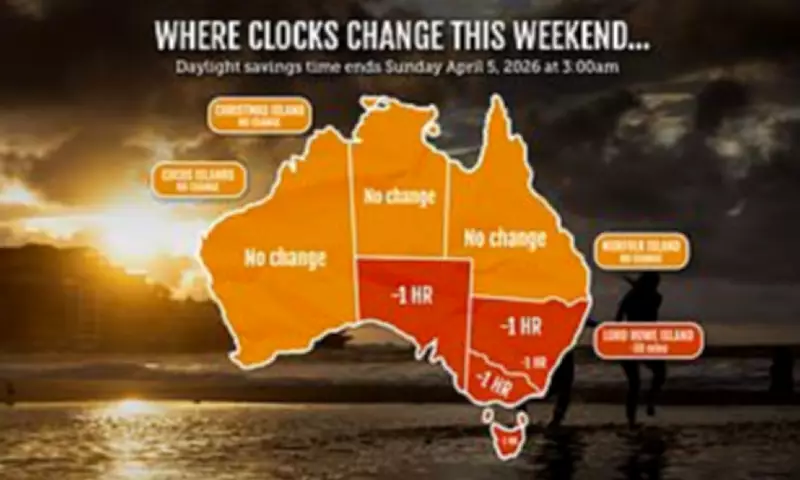
Clocks will be turned back by one hour from 3am to 2am on Sunday, April 5, in several states and territories, including New South Wales, Victoria, South Australia, Tasmania, and the Australian Capital Territory. It is important to note that Queensland, Western Australia, and the Northern Territory do not observe daylight saving and will not experience this time shift.
While many modern devices such as smartphones, televisions, and computers automatically adjust for the change, older or manual clocks will require manual updating. Experts advise Australians to adjust their clocks before going to bed on Saturday night to avoid any timing disruptions the following day.

Purpose and Benefits of Daylight Saving
The primary aim of daylight saving is to extend daylight further into the evening hours, providing more opportunities for outdoor activities after work or school. Additionally, this practice contributes to energy conservation by reducing reliance on artificial lighting during the later parts of the day.
Health Implications and Adjustment Challenges
Despite the extra hour of sleep offered by the time change, research from Harvard University reveals that many individuals fail to adjust their clocks properly. This oversight can disrupt the body's internal sleep-wake cycle for several days, leading to issues such as earlier awakenings, difficulty falling asleep, and frequent night-time disturbances.
The study further highlights that people who typically sleep less than 7.5 hours per night, along with early risers, face the greatest challenges in adapting to daylight saving changes.
Historical Context and Future Schedule
Daylight saving was first introduced in Australia in 1916 during World War I, with Tasmania becoming the first state to implement the practice in 1968. The next daylight saving period is scheduled to begin on Sunday, October 4, when clocks will be moved forward to 3am Australian Eastern Standard Time.