Manchester United's £2bn Stadium Ambition Sparks Glazers Ownership Concerns
Manchester United's bold vision to construct a new 100,000-capacity stadium, valued at a staggering £2 billion, is poised to present substantial challenges for the club's co-owners, the Glazer family and Sir Jim Ratcliffe. Unveiled last year as part of a broader regeneration initiative, the project aims for completion by the 2030/31 season, contingent on a five-year construction timeline once groundwork begins.
Financial Complexities and Debt Burdens
The club has declared that the stadium will be privately funded, yet this ambition is shadowed by significant financial hurdles. Recent financial disclosures from February revealed Manchester United's debt hovering close to £1.3 billion, raising questions about the feasibility of traditional financing methods. An architectural industry expert, speaking to the Manchester Evening News, highlighted that conventional debt or shared equity arrangements are unlikely, as they could dilute the value of the Glazers' or Ratcliffe's stakes.
Instead, a potential solution involves establishing a subsidiary stadium company, partially owned by the club and external investors. This structure would allow external investment to cover project costs. However, this approach introduces a critical complication: if the Glazers or Ratcliffe decide to sell their club stakes in the future, they would not be selling the club alongside full ownership of Old Trafford. Instead, they would only sell the club plus whatever percentage of the stadium the club retains, potentially diminishing the overall sale value.

Ownership Dynamics and Historical Context
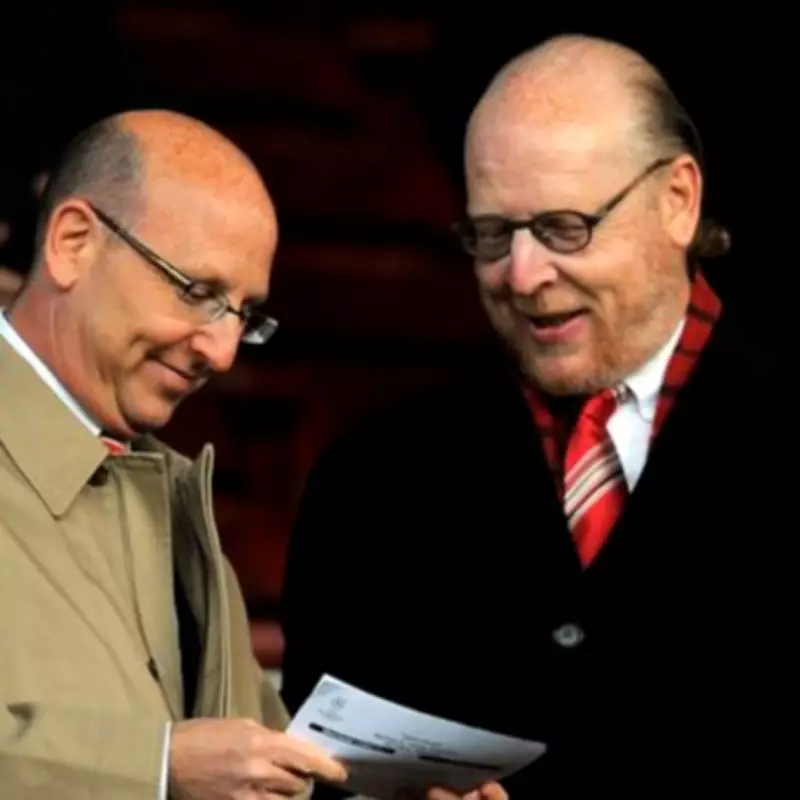
The Glazer family, who acquired Manchester United through a leveraged buyout in 2005, have faced persistent fan protests throughout their tenure. In early 2024, Sir Jim Ratcliffe secured a 27.7 per cent stake in the club, adding another layer to the ownership landscape. Should a stadium company be formed, the Glazers or Ratcliffe could theoretically sell their United shares while maintaining a partial interest in the new ground, but this strategy remains fraught with uncertainty.
An industry source emphasised, "The club are clearly trying to work on the funding, and until they get that, nothing's happening really. There is speculation within the industry that the figure quoted for the whole project is optimistic. So it may end up being considerably more than that."
Land Acquisition and Development Progress
Before construction can commence, Manchester United must secure all necessary land for the proposed site, including a plot owned by Freightliner. Collette Roche, appointed as the new stadium development chief executive in January, provided an update last month, noting significant behind-the-scenes progress. "We've made a lot of progress in the last 12 months," Roche stated. "People might not have seen that, but some examples include land assembly. We want to ensure the best possible position for this stadium, with ample land for facilities and connectivity."
Roche added that there has been considerable interest from investors eager to support not only the stadium but also the wider stadium district, though these discussions remain confidential. The club continues to navigate these obstacles as they pursue a brand-new home, balancing ambitious plans with practical financial and ownership realities.