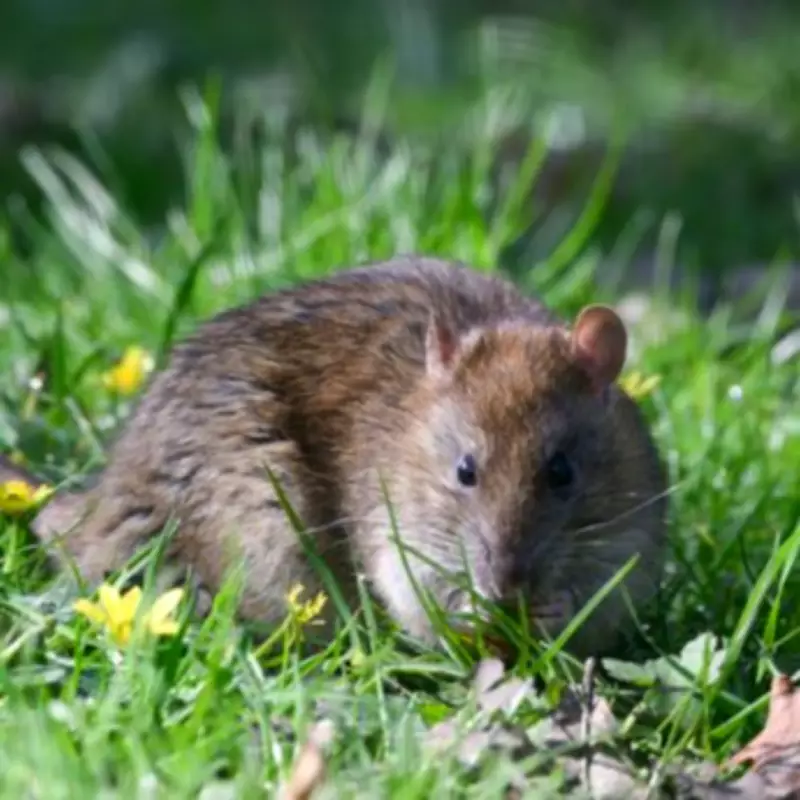
Rats Will 'Fear' Your Garden and Flee With One Simple Change
Rats represent a pervasive and distressing problem for gardeners across the UK, particularly as spring arrives and these rodents enter their peak breeding season. As the weather improves and outdoor activities resume, gardens become prime targets for rats seeking both shelter and sustenance.
Identifying a Rat Infestation in Your Garden
These creatures are predominantly nocturnal, meaning their presence often goes unnoticed until significant damage occurs. However, vigilant gardeners can spot telltale signs of an infestation. Look for greasy tracks known as runs along walls, fences, or building foundations. Additional indicators include gnawed wood, teeth marks on crops, burrows, and piles of loose, shredded materials.
Recognising these signs early is crucial for preventing a full-blown infestation that can devastate plants and pose health risks.

The Simple, Cost-Free Method to Deter Rats
According to expert advice from Gardeners' World, a remarkably straightforward and non-toxic change can make your garden far less appealing to rats. The key lies in understanding rat behaviour: they are 'neo-phobic,' possessing an inherent fear of new objects and disruptions within their established territory.
The publication advises: "Place obstacles in their runs and move things around in the garden frequently." This regular disruption, which can be as simple as repositioning plant pots, garden furniture, or decorative items, creates an environment of uncertainty that rats find deeply unsettling. The method requires no financial outlay and avoids the use of harmful chemicals, making it an eco-friendly solution.
Expert Insights on Compost Heaps and Garden Hygiene
Renowned garden expert Alan Titchmarsh has highlighted compost heaps as a particular magnet for rats. In a video for Gardeners' World, he explained, "The place they love more than anywhere else in the garden is the compost heap. Mainly because of the heat generated by all this rotting vegetation. They can burrow into it, and they've got a central-heated house."
Titchmarsh recommends two critical modifications to compost management to deter these pests effectively:
- Ensure the compost heap has no gaps for entry by using materials like steel sheeting to line the interior.
- Avoid adding processed foods, cooked items, meat, or potatoes to the compost. Instead, use garden waste like mouldy apples and green clippings, which decompose rapidly and are less attractive to rodents.
Maintaining overall garden cleanliness is equally vital. Cluttered spaces with accumulated debris provide ideal hiding spots and nesting materials for rats, thereby increasing the likelihood of an infestation.
Implementing a Comprehensive Deterrence Strategy
Combining regular physical disruption with proper compost management and general tidiness forms a powerful, multi-faceted approach to rat control. By frequently altering the garden layout, you exploit the rats' neo-phobia, encouraging them to seek less disturbed environments elsewhere.
This proactive strategy not only addresses existing issues but also serves as a preventive measure, ensuring your garden remains a sanctuary for plants rather than a haven for pests. Embracing these simple changes can transform your outdoor space, making it inhospitable to rats while promoting a healthier, more enjoyable gardening experience.