Steph Curry Lifts the Lid on How Elite Athletes Conquer Nerves on the Biggest Stage
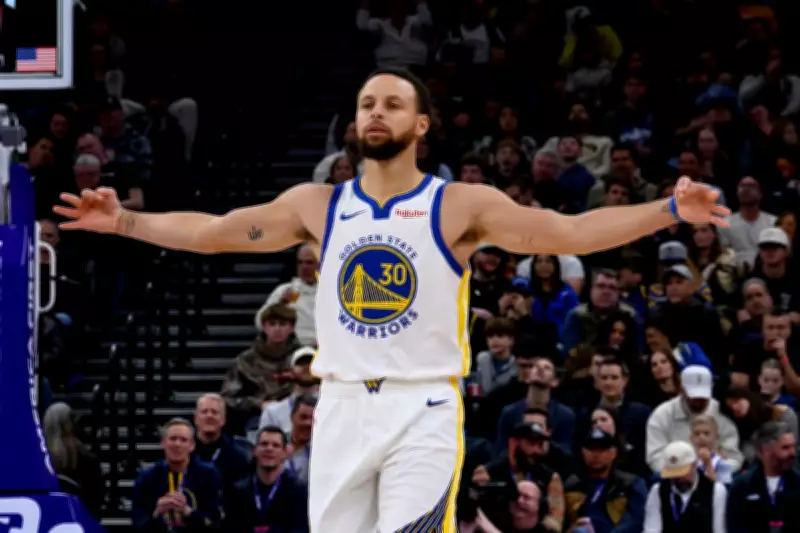
Steph Curry stands as one of basketball's most iconic figures, yet even this Golden State Warriors legend confesses to experiencing nerves when the pressure intensifies. In a revealing discussion, Curry detailed how he manages anxiety during pivotal moments, offering a rare glimpse into the mental battles faced by professional athletes.
The Smile That Sealed a Victory
During a critical December clash against the Phoenix Suns, with the game hanging in the balance, Curry deliberately smiled before sinking two decisive free throws. This act secured a narrow 119-116 win for the Warriors. Despite appearing composed, Curry later admitted this calm exterior was a carefully constructed facade. After 17 seasons in the NBA and at 38 years old, he acknowledged that nerves still strike when the stakes are highest.
"That's more mental warfare for me to just enjoy the moment," Curry explained. "I don't care how many free throws you've made, when you need two of them, you do get nervous, so the smile is more to kind of embrace the moment and enjoy it instead of overthinking or worrying about mechanics or anything."

He added that this approach has become a key part of his routine in recent years, playing mind games with himself to transform anxiety into focus. This candid admission from one of basketball's all-time greats provides comfort to other professionals, highlighting that even the elite grapple with mental challenges. Such openness about psychological struggles, once rare in sports, is becoming increasingly common amid a growing global conversation about mental health.
Coaches and Players Reflect on Pressure
Dave Roberts, manager of the Los Angeles Dodgers who have won the last two World Series titles, witnessed Curry's clutch free throws at Chase Center. Having guided his own players through high-pressure October playoffs, Roberts reflected on the significance of Curry's honesty.
"I think that's telling that Steph would say that and there is an innate fear in people to fail in big spots or to be nervous. I think it's just important to admit it at times and then kind of move on from there," Roberts stated this spring.
He emphasized that preparedness helps mitigate fear, noting that Curry's extensive practice allows him to perform despite nerves. Roberts believes acknowledging anxiety is a crucial step for athletes to overcome mental hurdles.
Embracing the Moment: Strategies from the Sidelines
Chicago Bulls coach Billy Donovan recently questioned his players about whether a free throw in the final second of a tied game feels identical to one in the first quarter. The unanimous response was no.
"I said, 'Why is it different?' and they explained all the consequences of what would happen, but the reality is it's still the same exact shot it is in the first quarter or the second quarter," Donovan explained.
He observed that in critical moments, successful players learn to block out consequences and focus solely on controllable elements like routine. Donovan stressed that the basket's dimensions remain unchanged, regardless of circumstances.
Reframing Fear into Joy
Mental performance coach Graham Betchart advocates for transforming the fear of failure into a positive force. He explained that elite athletes experience the same physical sensations as amateurs but reframe them differently.
"The biggest surprise to most people is that great pro athletes have the same feeling that a kid has, they just reframe it," Betchart noted.
He shared an anecdote about an athlete who described pressure as joy, characterized by intense physical sensations like butterflies and a pounding heart. Betchart views this cognitive reframing as a powerful tool for unlocking peak performance under pressure.
The Human Element of Athletic Excellence
Dallas Mavericks coach and NBA Hall of Famer Jason Kidd, who enjoyed a 19-season playing career, reminded everyone that professional athletes are fundamentally human. Fear, he suggested, is a natural and healthy reaction to stress.

"It is healthy. I think that just lets everyone know you're human. Steph is human," Kidd affirmed. "There are feelings and emotions but I don't know if he gets nervous. Free throws are like layups for him, like 2-foot putts. But it's also great that he is open to sharing that about his feelings, that's pretty cool."
The Power of Routine and Preparation
Warriors guard De'Anthony Melton relies heavily on routine to manage pressure. He practices making 10 consecutive free throws daily, adopting a mindset of acceptance during games.
"Whatever happens, happens, you've just got to live with the results, but sometimes getting to the free-throw line can help you get into a rhythm and get your shot going, too," Melton explained.
Coaches also face their own anxieties. Doc Rivers admitted to feeling nervous about crunch-time play calls, emphasizing that deep breathing and established routines help normalize high-pressure situations.
Nerves as a Natural Part of Competition
Athletics pitcher Luis Severino, who spent nine years with the New York Yankees and Mets, understands that nerves often correlate with daily performance levels.
"I think it's more of how you're feeling that day. If Stephen Curry is feeling like he always feels, there's nothing to worry about," Severino said with a chuckle. "If that day I'm feeling good, I have nothing to worry about. If I'm struggling with command and or a pitch, not commanding my breaking balls, I will get a little bit nervous, but if I'm good that day I have nothing to worry about."
San Francisco Giants shortstop Willy Adames found solace in Curry's admission, viewing nerves as a natural and acceptable aspect of competition.
"I think it's a great thing, I think it's something that you have to embrace and know that it's OK to feel it," Adames commented. "I always try to tell myself, 'if you feel a little nervous or a little anxious, just embrace it like it's OK, it's OK to feel it. But just know that you've got to take a deep breath and try to make sure that you're under control.'"
Ultimately, Betchart believes that when professional athletes speak openly about their anxieties, it empowers others to develop more effective coping strategies. He drew parallels to his work with military personnel, who acknowledge fear before leaning into it, demonstrating the power of vulnerability in high-stakes environments.