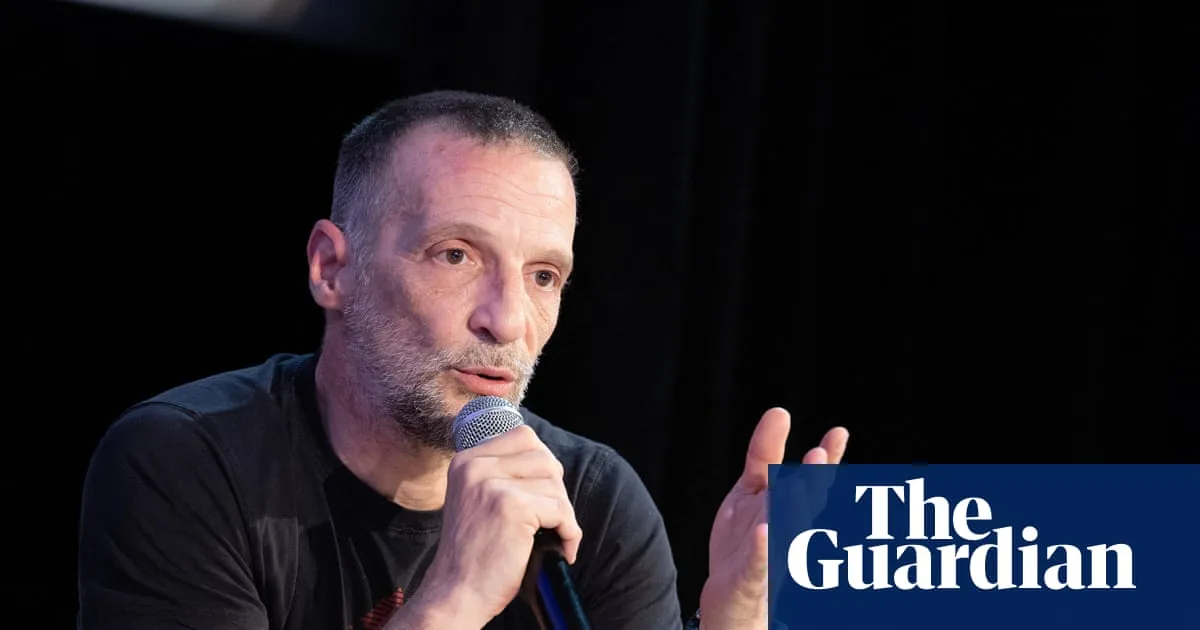
Mathieu Kassovitz, the director of the acclaimed 1995 film La Haine, has predicted that AI-generated actors will become mainstream within two years, dismissing concerns about copyright infringement. Speaking at the second World AI film festival in Cannes, Kassovitz described AI as “the last artistic tool we need” and said “in two years from now nobody will care” whether film characters are created by AI or played by human actors.
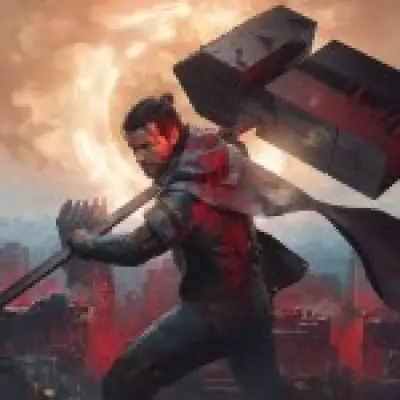
Kassovitz, who is currently making an almost entirely AI-enabled film based on a 1940s wartime comic book, The Beast is Dead, revealed that he was recently stunned by an AI-generated character with “an emotion in his eyes that made me shiver”. He predicted that AI superstars with millions of followers will soon exist, allowing fans to interact with them directly via their phones.
The director also announced plans to set up an AI film studio in Paris, comparing it to George Lucas’s Industrial Light and Magic. He noted that traditional studios had quoted $50-60 million for the visual effects he wanted, but AI would reduce the cost to $25 million. Despite his enthusiasm, Kassovitz admitted it “breaks my heart” to see how convincing AI performances can be, though he emphasised that actors’ voices are still needed.

Kassovitz dismissed copyright concerns, stating: “La Haine was made from other films. They stole also. I stole shots from Scorsese that he stole from Kurosawa that he stole from Eisenstein. Unless you … created something from the ground up, we’re all thieves. So, as AI steals everything, it doesn’t steal anything.” However, he added that he would sue if someone used his work for “stupid shit”.
The comments come as Hollywood studios increasingly integrate AI, with Paramount’s David Ellison calling it “transformative”. Critics, however, fear AI lacks soul and will make creative professionals redundant. German copyright lawyer Tim Kraft noted there are nearly 140 pending cases against AI companies over copyright, urging platforms like Google and OpenAI to pay for their usage of copyrighted material.