Storm Ingrid Brings Destructive 60mph Winds and Severe Flood Warnings to Britain
The UK is bracing for a severe battering as Storm Ingrid sweeps across the country, unleashing powerful wind gusts of up to 60mph and torrential rainfall equivalent to a month's average precipitation. Named by the Portuguese meteorological service, IPMA, this intense weather system is moving northwards, posing significant risks to communities and infrastructure.
Widespread Weather Warnings and Immediate Impacts
The Met Office has activated multiple yellow weather warnings, covering extensive areas including southwest England, Wales, Northern Ireland, and eastern Scotland. These alerts are expected to remain in force until Sunday morning, highlighting the prolonged nature of the storm's impact. Already, the storm has caused substantial disruption, with approximately 2,000 homes in Devon and Cornwall experiencing power cuts due to the fierce conditions.
Travel Chaos and Coastal Dangers
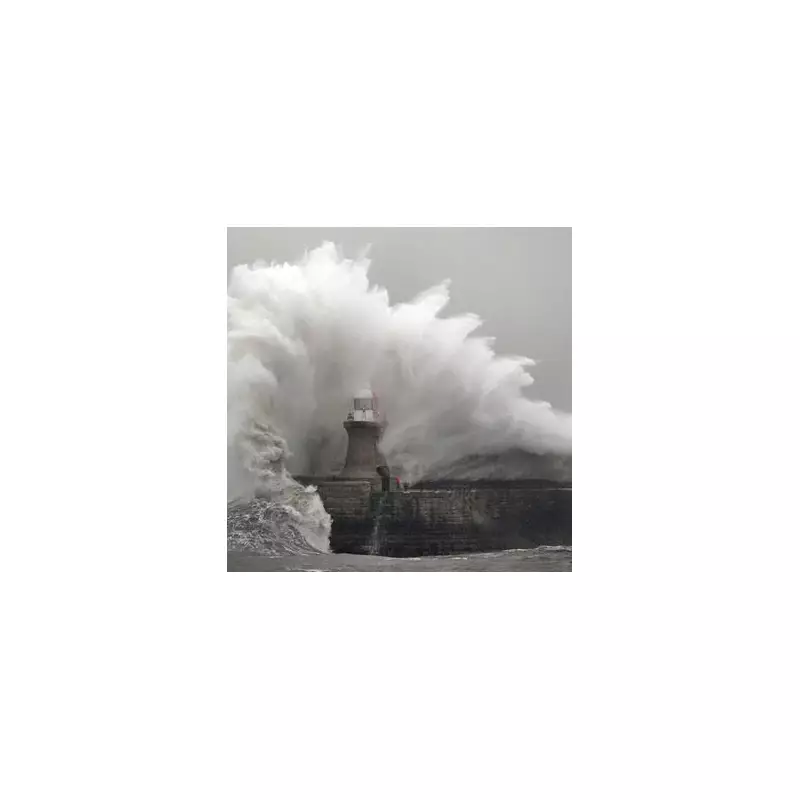
Transport networks are facing severe challenges as Storm Ingrid intensifies. Network Rail has issued a rare 'black alert,' leading to the closure of the railway line between Exeter St David's and Newton Abbot. Several roads have become impassable, blocked by fallen trees and widespread flooding, complicating travel and emergency responses. Coastal regions are particularly vulnerable, with waves reaching heights of up to 12 feet, creating dangerous conditions for maritime activities and shoreline communities.

Flood Risks and Rainfall Totals
Parts of the UK are anticipated to receive up to 50mm of rain over the next 24 hours, an amount that matches the average monthly rainfall for many areas. This deluge, combined with already saturated ground from previous wet weather, significantly elevates the risk of flooding. Authorities are urging residents in affected regions to take necessary precautions, stay informed through official updates, and avoid unnecessary travel during the storm's peak.
As Storm Ingrid continues its path across Britain, ongoing monitoring and preparedness are crucial to mitigate its effects on public safety and property.