Toronto Begins Multi-Day Cleanup After Unprecedented Snowfall
Toronto is embarking on a significant recovery effort following the most substantial snowfall ever recorded in the city's history. Municipal officials have indicated that the process of clearing the extensive accumulation is expected to require several days to complete fully.
Record-Breaking Snow Accumulation and Widespread Disruption
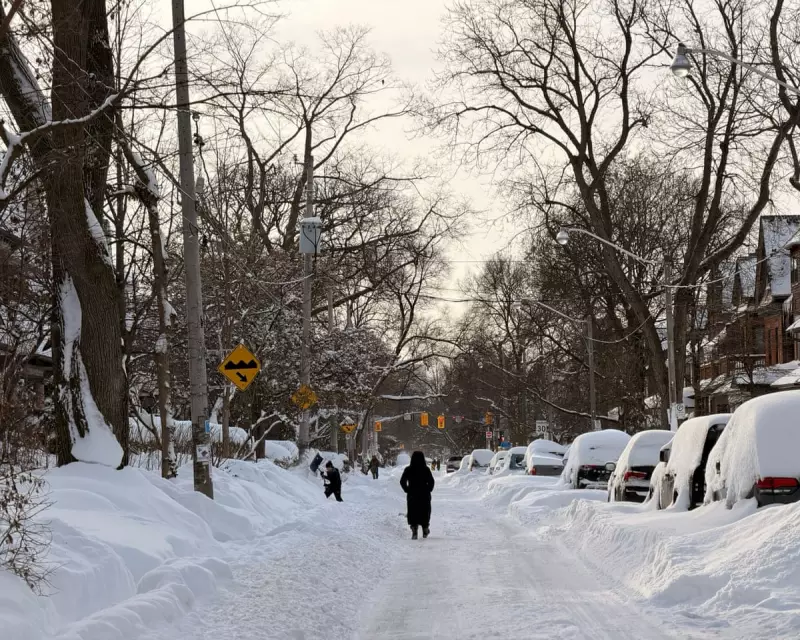
Certain districts within Canada's most populous metropolis found themselves submerged under close to 60 centimetres of snow. This deluge led to the cancellation of more than 500 flights on Sunday after Toronto Pearson International Airport was effectively immobilized by the conditions.
This month has seen a remarkable 88.2 centimetres of snow fall at Pearson airport, establishing it as both the snowiest January and the snowiest single month since meteorological records for the area commenced in 1937.

School Closures and Transport Chaos
The severe winter storm, which affected large portions of North America over the weekend, compelled several local school boards to make the unusual decision to announce closures on Sunday evening. This news was met with delight by Toronto's student population, who were granted their second snow day of the month.
The treacherous conditions were responsible for more than 430 collisions within Toronto and an additional 200 in the surrounding regions, tragically including one fatality. Police issued warnings to motorists about the dangers posed by high snowbanks created by ploughs, which could cause vehicles to achieve a "launch-type angle" and potentially leave the roadway.
Toronto's extensive public transit network, which serves over a million passengers daily, experienced numerous delays and service suspensions. Incidents included a derailed streetcar on a major route and subway services being unable to operate on above-ground sections of track that were heavily impacted by the snow.
Cleanup Operations and Resident Response
City Manager Paul Johnson outlined the cleanup strategy, noting that staff would prioritise main thoroughfares, with residential streets and sidewalks likely to take days to clear. The operation utilises not only snowploughs but also crews equipped with shovels.
"This is going to be a plowing day, and then we're going to have to shift into removal time once we get through today and into tomorrow," Johnson stated. Residents are encouraged to monitor progress using the city's GPS tracking tool, PlowTO, to follow snowplough movements and see which streets have been serviced.
Despite the significant disruption, many Toronto residents embraced the extraordinary conditions. On a subsequent sunny morning, some were seen skiing along quiet residential streets, while children, equipped with sleds and shovels, explored the winter landscape, enjoying both the record snowfall and a long weekend.
Meteorological Explanation and Broader Impact
CP24 meteorologist Bill Coulter explained that Toronto's position on the shores of Lake Ontario was a crucial factor in the extreme snowfall, which vastly exceeded initial forecasts. He described the "monster" storm as the result of Arctic air clashing with moist tropical air, with the northern areas receiving the heaviest accumulation. "What a winter wallop for Toronto," he remarked.
The storm's effects extended south of the border, where snow led to flight cancellations in the United States and ice storms caused power outages and hazardous driving conditions. Reports indicate at least 13 weather-related fatalities have occurred across the affected regions.