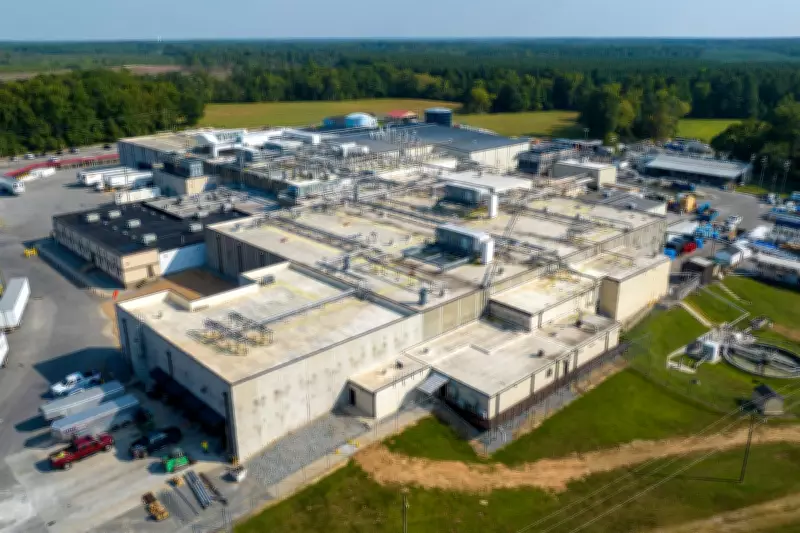
The Boar's Head deli meat facility in Jarratt, Virginia, which was linked to a fatal listeria outbreak in 2024, has officially reopened its doors. Company executives and federal authorities confirmed that the plant resumed limited operations on Monday, nearly a year and a half after it was shuttered due to the contamination incident that resulted in ten fatalities and left dozens more severely ill.
Plant Overhaul and Safety Measures
Natalie Dyenson, Boar's Head's chief food safety officer, detailed the extensive renovations undertaken at the Jarratt site. In an interview with The Associated Press, Dyenson explained that the facility has been "literally rebuilt from the inside out" to eliminate any lingering contamination risks. The comprehensive overhaul included replacing floors, drains, and air filtration systems, as well as physically separating production zones for raw and ready-to-eat foods.
To ensure the plant's safety, officials conducted nearly 12,000 swab tests specifically targeting listeria bacteria. Additionally, Boar's Head has voluntarily adopted a more stringent U.S. Department of Agriculture standard for listeria control, which mandates a "kill step" to prevent bacterial growth in most finished deli products. The company has also brought in new management and staff to oversee operations at the revitalised facility.

Ongoing Concerns at Petersburg Plant
Despite the reopening in Jarratt, recent inspection reports from another Boar's Head plant in Petersburg, Virginia, have raised serious concerns. Documents obtained through a Freedom of Information Act request revealed dozens of "noncompliance reports" between July and December 2025. These records detailed persistent sanitation issues, including dripping condensation, meat residue left on equipment and in drains, and failures to adhere to the company's own listeria testing protocols.
One inspector noted on October 25th that a particular violation marked "the fifth occurrence of this noncompliance in a month," after discovering ham molds "dirty with smeared residue." These latest findings follow years of previous inspections that documented what officials described as "general filth" at the Petersburg site.
Company Response and External Criticism
Dyenson acknowledged that the documentation of ongoing problems "sounds very disturbing," but emphasised that Boar's Head is working aggressively to reduce noncompliance instances across all its plants to "zero." She maintained that the 2024 outbreak was specifically linked to liverwurst equipment and production issues, rather than the dried food residue and other sanitation problems highlighted in recent reports.
"I know it sounds gross, but from a food safety risk perspective, that dried-on residue has gone through a lethality step" that kills germs, Dyenson stated, attempting to differentiate between aesthetic concerns and genuine contamination risks.
However, food safety advocates remain sceptical. Brian Ronholm, director of food policy for Consumer Reports, noted that the inspection reports from Petersburg "highlight a deeper food safety cultural problem within the company" that could hinder efforts to rebuild consumer trust. Meanwhile, Representative Rosa DeLauro, a Connecticut Democrat who has been critical of Boar's Head, asserted that the company "must be held fully accountable for this repeated pattern of jeopardising food safety through unsanitary conditions."
Legal and Regulatory Fallout
The 2024 outbreak led to multiple lawsuits from affected individuals and families of those who died. Several survivors declined to comment on the latest inspection reports, citing financial settlements with the company that included nondisclosure agreements. Boar's Head also faced congressional scrutiny but refused to appear in person before the Congressional Food Safety Caucus, opting instead to respond to concerns in writing.

As the Jarratt plant resumes production, the U.S. Agriculture Department has confirmed that federal inspectors required for operation are now on site. The reopening represents a significant step for the 120-year-old company, which permanently discontinued liverwurst production and recalled over 7 million pounds of deli products following the 2024 outbreak. Whether consumers will regain confidence in Boar's Head products remains uncertain as the company navigates both its recovery efforts and ongoing regulatory challenges.