UK Supermarket Prices Soar as Iran Conflict Threatens to Double Grocery Inflation
Iran War Could Double UK Grocery Inflation, Shoppers Complain

British consumers are voicing widespread frustration over escalating supermarket prices, amid growing fears that the ongoing conflict involving Iran could trigger a dramatic surge in grocery inflation. Shoppers across the UK have taken to social media platforms to lament what they describe as "expensive" and "next level" costs, following a prolonged period of rising food and drink expenses for households nationwide.

Social Media Outcry Over Soaring Costs

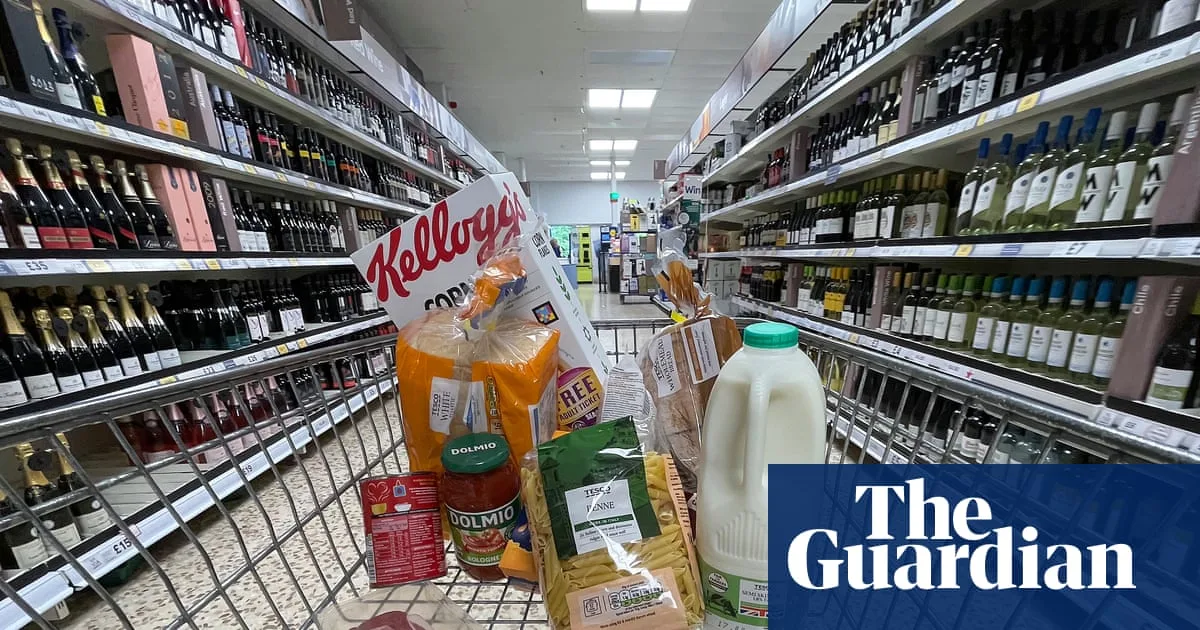
Shopper Jade Kelly from Glasgow posted a TikTok video on Monday, showcasing her supermarket haul which totalled £103. The eyebrow specialist appeared visibly exasperated as she unpacked her bags, exclaiming, "So expensive… £103 for all that. How many dinners in that?" Her purchase included a diverse range of items such as two multipacks of crisps, ready-to-eat pasta pots, grapes, toothpaste, pomegranates, Milkybar yoghurts, pepperoni pizzas, popcorn chicken bites, ham, Mini Eggs, and Andrex toilet roll.

Additional items in her shopping bags comprised a cooked chicken, paracetamol, ibuprofen, Fridge Raiders, crispy chicken fillets, bodywash, a sourdough loaf, three watermelon snack packs, Nutella, white bread, Reese's Pieces, Maltesers, Kinder Bueno, broccoli, dried pasta boxes, pancakes, milk, fabric softener, and a four-pack of drinks. Ms Kelly emphasised the severity of the situation, stating, "£103 - Shocking, and that isn't even a full food shop, that isn't even all my dinners for the week. How are people meant to live? It's so bad."

Wide Pickt banner — collaborative shopping lists app for Telegram, phone mockup with grocery list

Further Consumer Complaints Surface

In a separate Instagram video posted last week, business coach and travel consultant Vicki Mcfarlane shared footage of her Tesco supermarket shop, remarking, "I can't get over how expensive food shopping has gone in the six months we have been away." She highlighted that supermarket prices have reached "next level" heights, though she managed to find some reduced items with yellow stickers, which she humorously referred to as "whoopsies."

Expert Warnings of Inflation Spike

The Institute of Grocery Distribution (IGD) has issued a stark warning this week, indicating that UK households could face food inflation exceeding 8 per cent within months if disruption caused by the Iran conflict persists. This would represent more than a doubling of current inflation rates by the summer months.

Fresh forecasts from the organisation reveal that food inflation could escalate from its present rate of 3.6 per cent to "briefly reach over 8 per cent by June 2026," under a scenario where firms experience a "most severe but short-lived energy shock." The energy price surges following Russia's invasion of Ukraine have already significantly contributed to price increases since the pre-pandemic period.

Potential Impact on Household Budgets

IGD's highest impact scenario predicts a "short-lived but severe" increase in food prices, with inflation rising to approximately 6.4 per cent across 2026 as a direct consequence. This development would add more than £150 to the average household's annual grocery expenditure, placing additional strain on families already preparing for anticipated jumps in energy bills this summer.

Food production remains particularly vulnerable to sudden fluctuations in oil and gas prices due to its energy-intensive nature, as evidenced by recent weeks' developments. The latest modelling indicates that even a "more moderate" energy shock scenario would still elevate average food inflation to around 4.8 per cent for 2026. A baseline scenario without Middle East conflict would still maintain food inflation at an average of 3.8 per cent for the year.

Recent Inflation Trends and Future Projections

Separate figures released earlier this month revealed that grocery price inflation increased to 4.3 per cent in February, following four consecutive months of declines. This uptick from 4 per cent in January, as reported by market research firm Worldpanel by Numerator, represents another setback for household budgets.

The firm's forthcoming update, expected to be unveiled early next month, will provide further insight into the impact of the Iran conflict throughout March. The British Retail Consortium has been approached for comment on behalf of UK supermarkets regarding these pressing concerns.

Pickt after-article banner — collaborative shopping lists app with family illustration

UK retail food prices currently stand 38 per cent higher than pre-Covid levels, exacerbating the financial pressure on consumers. As the situation develops, households nationwide remain anxious about the potential for further significant price hikes if Middle East conflict disruptions continue to affect global supply chains and energy markets.