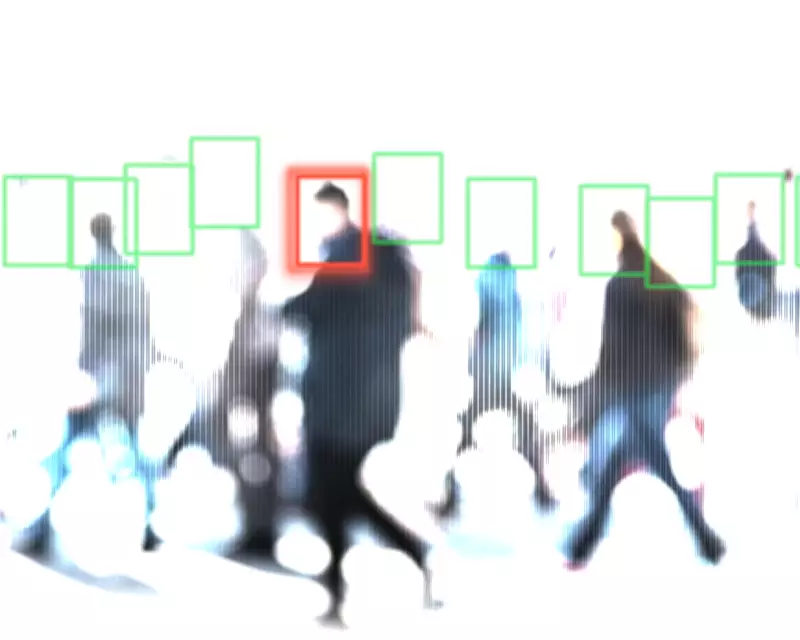
London Shopper Forced to Prove Innocence After Facial Recognition Blunder
A London resident has expressed profound anger and frustration after being wrongfully targeted and ordered to abandon his shopping due to a misidentification by facial recognition technology deployed in a Sainsbury's supermarket. Warren Rajah, a long-standing customer of the Elephant and Castle store for over fifteen years, described the incident as "Orwellian" and reminiscent of dystopian fiction, highlighting serious concerns about civil liberties and corporate accountability in the age of advanced surveillance.
An Unsettling Confrontation in the Aisles
During a routine shopping trip, Rajah was abruptly approached by three members of staff who insisted he leave the premises immediately. The employees, relying on a device displaying an image, incorrectly affirmed that Rajah matched a person flagged by the Facewatch system, a controversial facial recognition firm contracted by Sainsbury's for security purposes in select locations. Despite his protests, staff provided no clear explanation, merely directing him to a QR code that linked to Facewatch's website, leaving him confused and distressed.
"I shouldn't have to prove I am innocent," Rajah asserted, emphasising the indignity of being treated as a suspect without cause. "I shouldn't have to prove I'm wrongly identified as a criminal." He likened the experience to scenes from "Minority Report," where individuals are apprehended based on predictive technology, underscoring the invasive nature of the encounter.

A Bureaucratic Runaround and Data Privacy Fears
In an attempt to resolve the matter, Rajah contacted Facewatch, only to be instructed to submit a photograph of himself alongside his passport for verification. This demand raised immediate alarms about data security and the permanence of such records. After compliance, Facewatch confirmed he was not in their database, attributing the error to human mistake by store personnel. However, Rajah remained troubled by the lack of transparency regarding how his personal information was stored or whether it had been properly deleted.
The situation escalated into a blame-shifting debacle, with Sainsbury's initially pointing fingers at Facewatch, Facewatch redirecting responsibility to the retailer, and eventually, Sainsbury's executive office faulting the store staff. "You felt quite helpless in the situation because you're just thrown from pillar to post," Rajah recounted, criticising the absence of robust procedures for individuals to challenge such errors effectively.
Broader Implications for Vulnerable Populations
Rajah voiced particular concern for more vulnerable members of society who might lack the resources or capability to navigate such complex systems. "What happens to the vulnerable people who, for example, have learning disabilities or don't know how to scan a QR code?" he questioned. He argued that expecting citizens to surrender personal data to rectify corporate mistakes is "totally unacceptable," calling for clearer safeguards and accountability measures.
In response, Sainsbury's issued a sincere apology to Rajah, stating, "This was not an issue with the facial recognition technology in use but a case of the wrong person being approached in store." Similarly, Facewatch expressed regret, acknowledging the incident stemmed from human error and affirming that their data protection team followed standard protocols to verify Rajah's identity and confirm his absence from their alerts.
This case has ignited a wider debate on the ethical use of facial recognition in retail settings, spotlighting issues of data protection, surveillance overreach, and the need for stringent oversight to prevent such distressing occurrences in the future.