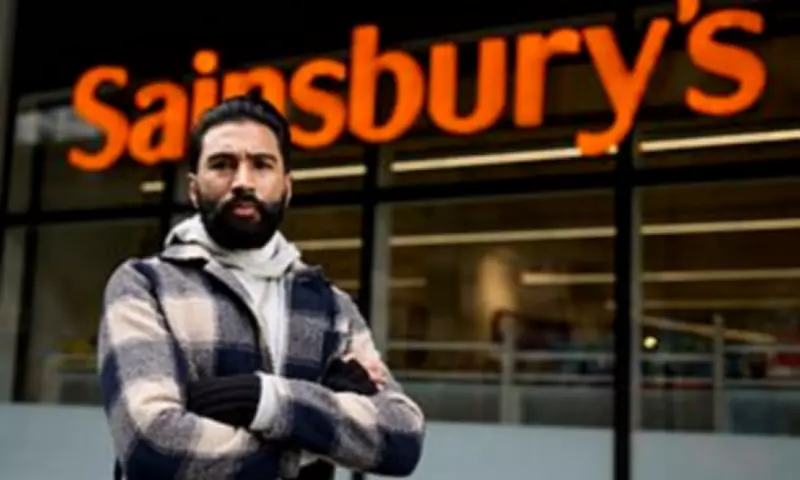
A long-standing customer was publicly escorted from his local Sainsbury's supermarket in a humiliating incident after staff, relying on facial recognition technology, incorrectly identified him as a known offender. Warren Rajah, 42, had been shopping at the Elephant and Castle store for a decade when he was suddenly approached by two staff members and a security guard on Tuesday and asked to leave the premises.
How the Facial Recognition Error Unfolded
When Mr Rajah inquired why he was being removed, staff simply pointed to a sign indicating the store used facial recognition systems. However, this was not a case of the technology itself failing; instead, it was a critical human error during the verification process. The Facewatch software, which scans customers' faces against a database of recorded offenders, had correctly not flagged Mr Rajah. The mistake occurred when store personnel approached the wrong individual after receiving an alert.
The Emotional Impact on the Customer
Mr Rajah described the ordeal as profoundly distressing. "They came up to me and asked to see my 'bar code'. I didn't know what this meant so I just showed them my Nectar card," he told Metro. "Then they told me to leave. It was the most humiliating moment of my life, being escorted out the place I have shopped in for 10 years in front of my community."

To clear his name, Mr Rajah submitted a subject access request to Facewatch, requiring him to email a photograph of himself and a copy of his passport. He expressed deep concern over this intrusion, stating it felt "like a massive invasion of my privacy" and raised alarms about potential impacts on his career and personal data.
Sainsbury's Rollout of Facewatch Technology
The Elephant and Castle store is one of six London locations where Sainsbury's has recently implemented Facewatch technology in response to rising theft and violence against staff. According to the supermarket's website, early results from trial stores have been encouraging, showing a 46% reduction in theft, harm, aggression, and antisocial behaviour, with 92% of identified offenders not returning.
Facewatch claims its software boasts 99.98% accuracy and describes itself as "the only crime prevention tool that proactively identifies known criminals, allowing staff to act before a crime has been committed." In November alone, the system sent 49,589 positive alerts of known offenders to protect customers, employees, and assets.
Official Responses and Apologies
Both Sainsbury's and Facewatch have acknowledged the incident was due to human error, not a technological fault. A Sainsbury's spokesperson said, "We have been in contact with Mr Rajah to sincerely apologise for his experience in our Elephant and Castle store. This was not an issue with the facial recognition technology in use but a case of the wrong person being approached in store."
Facewatch confirmed Mr Rajah was not on its database and redirected him to Sainsbury's for resolution. The supermarket subsequently apologised and offered him a £75 voucher as compensation.
Broader Concerns Over Retail Facial Recognition
This incident is not isolated. Other shoppers have faced similar issues with facial recognition systems in retail environments. In Birmingham, a B&M customer named Jenny was falsely placed on a watchlist and barred from her local store after being accused of stealing a bottle of wine. She criticised the lack of legal due process, remarking, "It's like we've made retail managers and technology companies judge, jury and executioner."
Further cases include a 64-year-old woman wrongly accused of stealing less than £1 worth of paracetamol from Home Bargains and Danielle Horan from Manchester, who was ordered out of two separate shops after false allegations of stealing toilet roll. These instances highlight ongoing tensions between security measures and civil liberties in the retail sector.
The legal framework requires Facewatch to verify the identity of individuals making data requests, hence the need for Mr Rajah's personal information. However, this process itself raises privacy questions for innocent parties caught in such errors. As facial recognition becomes more prevalent in UK stores, balancing crime prevention with customer rights remains a contentious and evolving challenge.