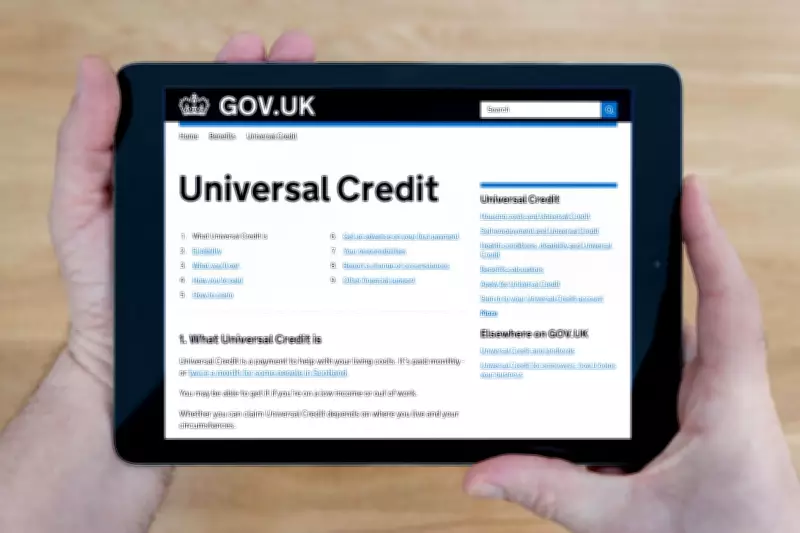
The Department for Work and Pensions (DWP) has disclosed that hundreds of thousands of benefit claimants have had their payments terminated in recent years, as the government continues its sweeping overhaul of the universal credit system. Official statistics indicate that 356,521 households across the United Kingdom have experienced benefit closures due to their failure to claim universal credit after receiving formal invitations.
Massive Scale of Benefit Losses
This widespread cessation of payments represents an average monthly financial loss exceeding £1,000 per household, stemming directly from claimants not responding to the "migration notice" letters dispatched by the DWP. These notices have been sent to the majority of households still reliant on what are termed "legacy benefits," which encompass tax credits, income support, jobseeker's allowance, employment and support allowance, and housing benefit.
Government's Migration Timeline
The government has established an ambitious target to complete the migration of all these legacy benefits to the universal credit system by the conclusion of March 2026. Of the 2.3 million households that have received migration notices thus far, approximately 1.9 million have successfully transitioned to universal credit. Around 10,000 households remain in the ongoing migration process, which commenced in July 2022.

Critical Transitional Protection Details
While individuals whose legacy benefits have been closed retain the option to subsequently apply for universal credit, they are not guaranteed the same level of transitional protection. This crucial safeguard ensures that all claimants who participate in the DWP's managed migration process will not experience a reduction in their total benefit payments as a direct consequence of the transition.
However, these payments will not receive annual inflationary increases as they did in previous years under the legacy system. Instead, they will remain static until they align with universal credit payment levels, potentially eroding their real value over time.
Response Deadlines and Enhanced Support
Recipients of migration letters have precisely three months to submit a universal credit claim. If no response is received within eleven weeks, the DWP initiates what it terms an "enhanced support journey," which may involve additional correspondence and even home visits to encourage compliance.
Expert Advice for Claimants
Welfare specialists consistently advise any benefit claimant who receives a migration letter to act promptly to avoid missing critical deadlines. Conor Lawlor, a benefits expert at Turn2Us, emphasized: "If someone receives a managed migration letter now, they should submit a universal credit claim before the specified deadline in their letter to ensure they receive transitional protection."
Lawlor further explained: "They should already be engaged in the enhanced support journey, so the DWP will contact them if there's no response following a notice being issued. If they require additional assistance with their claim, they should utilize the Turn2us find an adviser tool."
Reasons for Non-Claiming
Recent DWP research released this week identified several primary reasons why individuals choose not to claim after receiving migration letters:
- Confusion regarding eligibility requirements
- Belief that their earnings exceeded permissible thresholds
- Perception that the claiming process demanded excessive effort
Some potential claimants also believed they possessed excessive savings, as unlike legacy benefits, universal credit prohibits claims from anyone with over £16,000 in savings. However, the DWP has clarified that this rule will be disregarded for twelve months for individuals undergoing managed migration.
DWP Support Services
A DWP spokesperson stated: "It is imperative that people respond to the letter requesting them to transition to universal credit to maintain their benefit entitlements. Assistance is available for those making this move, including our dedicated helpline, comprehensive guidance on gov.uk, and Citizens Advice's free and independent help to claim service."

The spokesperson added: "We are providing additional support to individuals transitioning from employment and support allowance, including proactive phone calls and supplementary guidance materials."