

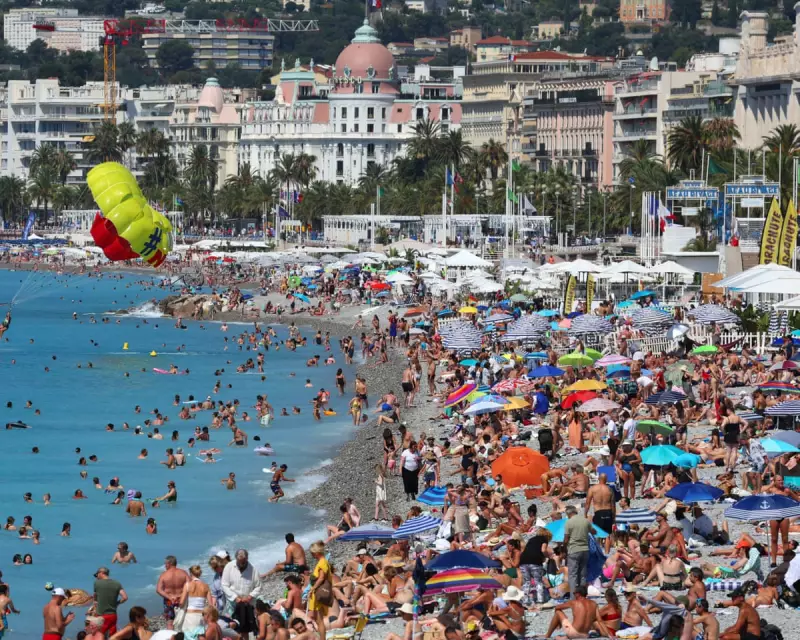
France is once again making headlines, this time over a contentious proposal to reduce paid holiday entitlement by two days. The move has sparked widespread outrage, with unions and workers taking to the streets in protest. But while the French public is up in arms, not everyone shares their indignation.
The Controversial Proposal
The French government is considering trimming the annual holiday allowance from 30 to 28 days, citing economic pressures and the need for greater workforce productivity. This adjustment, though seemingly minor, has ignited fierce debate about workers' rights and quality of life.
Why the Backlash?
For many in France, holidays are sacrosanct – a cornerstone of their work-life balance. The country already boasts one of the most generous holiday entitlements in Europe, and any attempt to erode this is met with fierce resistance. Unions argue that this is the thin end of the wedge, warning of further cuts to workers' benefits.

A Different Perspective
However, some observers question whether the reaction is proportionate. Compared to other nations, where holiday allowances are far more modest, France's 30-day entitlement remains enviable. Critics suggest that while the principle of protecting workers' rights is valid, the scale of the protest may be disproportionate to the actual impact of the change.
The Bigger Picture
This debate reflects broader tensions between economic competitiveness and social protections. As France grapples with sluggish growth and high public spending, difficult decisions lie ahead. Whether this particular cut goes through or not, it highlights the challenges of balancing fiscal responsibility with worker welfare.






