Albanese Government Confirms Fuel Supply Levels to Remain Stable or Increase
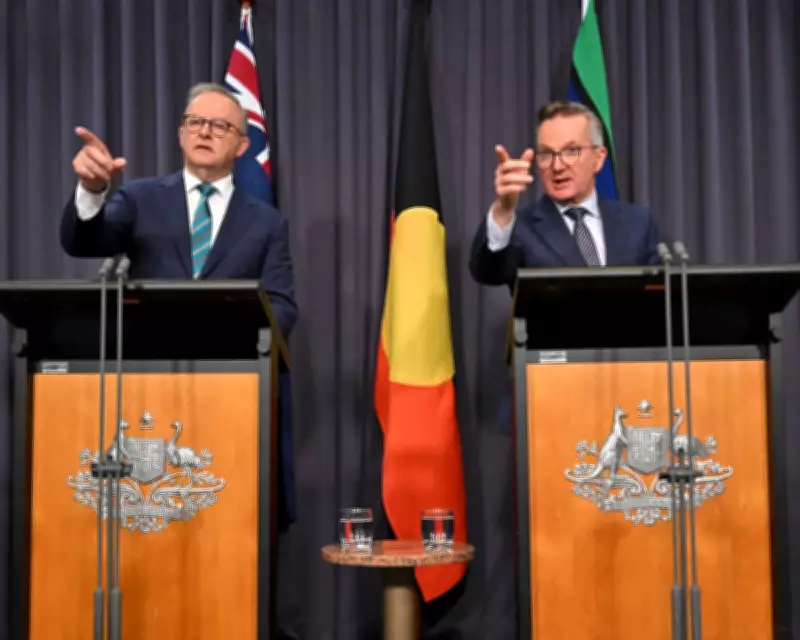
Prime Minister Anthony Albanese and Energy Minister Chris Bowen have publicly reassured Australians that fuel supply will be normal or even higher in the coming weeks, addressing concerns over rising prices and regional shortages. This announcement came during a press conference in Canberra on Friday, where they responded to escalating calls from the Coalition to halve the fuel excise to alleviate cost-of-living pressures.
Rising Fuel Prices and Shortages Spark National Concern
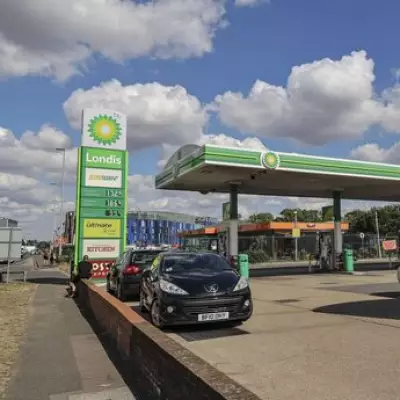
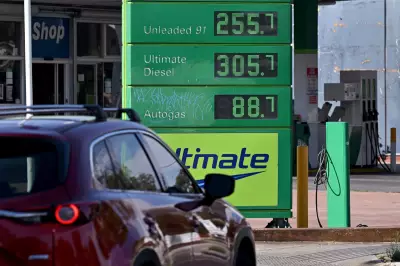
The latest data from the Australian Competition and Consumer Commission (ACCC) reveals significant price increases across the nation's five largest cities. Diesel prices have surged by an average of 10% over the past week, reaching 303.5 cents per litre, while unleaded petrol has risen by 8%, hitting 252.2 cents per litre. In New South Wales, the situation is particularly acute, with one in seven service stations reporting temporary stockouts of at least one fuel type, and 59 stations completely out of fuel.
Coalition Demands Excise Cut as Government Resists
Opposition Leader Angus Taylor has urged the Albanese government to immediately halve the federal fuel excise for three months, a move that could save motorists approximately 26 cents per litre. However, the Labor government has rejected this proposal, with Treasurer Jim Chalmers stating it is not under consideration. Economists warn that such a cut could exacerbate petrol shortages and contribute to inflation, labeling it a political Band-Aid.

Government Response and National Cabinet Meeting
Prime Minister Albanese expressed sympathy for families and businesses struggling with fuel bills, attributing the crisis to global interconnectedness and the impact of international conflicts. He emphasized that shortages are primarily distributional issues, especially in regional areas, and confirmed that overall fuel supply into Australia has not decreased. A specially convened national cabinet meeting on Monday will focus on developing a coordinated national response to the fuel crisis, learning from the fragmented state approaches seen during the Covid pandemic.
Assured Jet Fuel Supplies and Economic Considerations
Energy Minister Chris Bowen highlighted that jet fuel supplies from China are assured until late April or early May, with six tankers scheduled to arrive between 28 March and 8 April. Government sources have expressed concerns about potential economic downturns if travel reductions occur, though measures like encouraging remote work are currently deemed unlikely. Albanese reiterated the government's commitment to responsible cost-of-living measures within budget constraints, without endorsing or ruling out excise cuts.
Political Criticism and Broader Implications
Nationals Leader Matt Canavan criticized the government for failing to distribute fuel effectively despite claims of adequate supply. The debate over excise cuts has drawn support from state premiers and independent politicians, but analysis indicates that wealthier households would benefit most, raising equity concerns. As fuel prices continue to climb and shortages persist, the Albanese government faces mounting pressure to balance immediate relief with long-term economic stability.