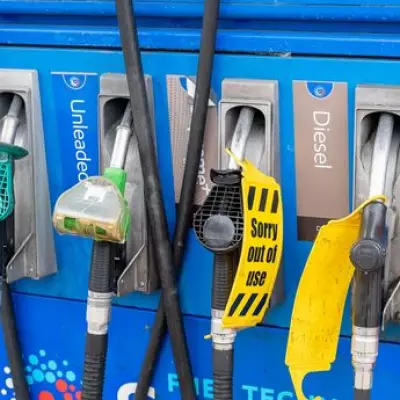
Energy markets are experiencing significant turmoil as a direct result of the escalating conflict in the Middle East, with major suppliers rapidly withdrawing fixed-price tariffs and imposing exit fees. This situation is already having a tangible impact on households across the United Kingdom, according to industry leaders.
Wholesale Prices Skyrocket Amid Regional Tensions
Greg Jackson, the Chief Executive Officer of Octopus Energy, has issued a stark warning about the current state of the energy market, describing it as "very challenging." He confirmed that the wholesale price of gas has approximately doubled since the previous week, a surge directly linked to the intensifying hostilities.
Data from the comparison service Uswitch reveals a dramatic contraction in the availability of fixed-price energy deals. The number of such offers has more than halved in the week since military strikes commenced between Iran and US-Israeli forces. Those fixed deals that remain on the market have seen substantial price increases, as they are closely tied to the volatile wholesale costs.

Key Supply Routes Under Threat
The market instability has been exacerbated by threats to crucial global supply routes. Iran has declared it will "not let a single drop of oil leave the region" and has threatened to attack any vessel attempting to transit the Strait of Hormuz. This strategic waterway is vital for the global oil trade, handling an estimated twenty percent of the world's oil and gas supplies.
In response, the United States has indicated it may begin escorting tankers through the passage in an effort to restart trade flows. Concurrently, Qatar has reportedly stated it cannot honour its existing gas delivery contracts, further compounding the supply-side pressures.
Immediate Impact on UK Consumers and Suppliers
Most UK households are currently protected by the energy price cap set by the regulator Ofgem, as they remain on variable tariffs. This cap is scheduled to fall by around seven percent in April, a result of policies announced by the Labour government last year. However, industry experts are now forecasting that the current market turmoil could lead to a potential ten percent increase in the cap when it is next reviewed in July.
For consumers considering fixed tariffs, which guarantee a set rate for a set period—usually one year—the landscape has changed drastically. Mr. Jackson explained the mechanism, stating, "Fixed tariffs are based on the fact the day you want to take out a fixed tariff, the energy company goes to the wholesale market and buys a year’s worth of energy for you."
He added, "Because the wholesale market is now reflecting at least some of the cost increases from the effects of the war in the Middle East, new fixed tariffs are then higher. Some companies won’t offer them at all because they are not confident in being able to lock in those prices a year in advance."
Rising Costs and New Fees for Customers
Where fixed tariffs are still available, they are now typically around one hundred pounds more expensive per year compared to prices before the conflict began. Octopus Energy has introduced an exit fee for customers who wish to leave their fixed deals, a move Mr. Jackson noted is already common practice among many other suppliers in the current climate.
"I am keeping a very close eye on the situation," Mr. Jackson told Times Radio. "In energy terms, Iran has effectively closed the Strait of Hormuz... and Qatar has said it cannot honour its contracts to deliver its gas, so the energy markets are in a state of turmoil."
Despite the volatility, many energy experts continue to advise households to carefully consider fixed tariff deals where available, as they offer price certainty in an otherwise unpredictable market. The situation remains fluid, with industry leaders and regulators monitoring developments closely as the conflict in the Middle East continues to influence global energy dynamics.