Qatar's energy minister, Saad al-Kaabi, has issued a stark warning that the ongoing conflict in the Middle East could cause the price of a barrel of oil to more than double, potentially exceeding $150. Such a dramatic surge would have catastrophic consequences, threatening to "bring down the economies of the world" and inflict severe hardship on consumers through sharply higher energy bills.
Immediate Economic Impact and Global Repercussions
Currently, oil is trading at approximately $89 per barrel, a significant increase from its earlier range of $60-$65 this year. Minister al-Kaabi emphasised that if the war persists for several weeks, it will inevitably impact global GDP growth. "Everybody's energy price is going to go higher," he stated, predicting shortages of certain products and a chain reaction where factories become unable to supply goods due to disrupted energy supplies and production cycles.
Production Shutdowns and Market Volatility
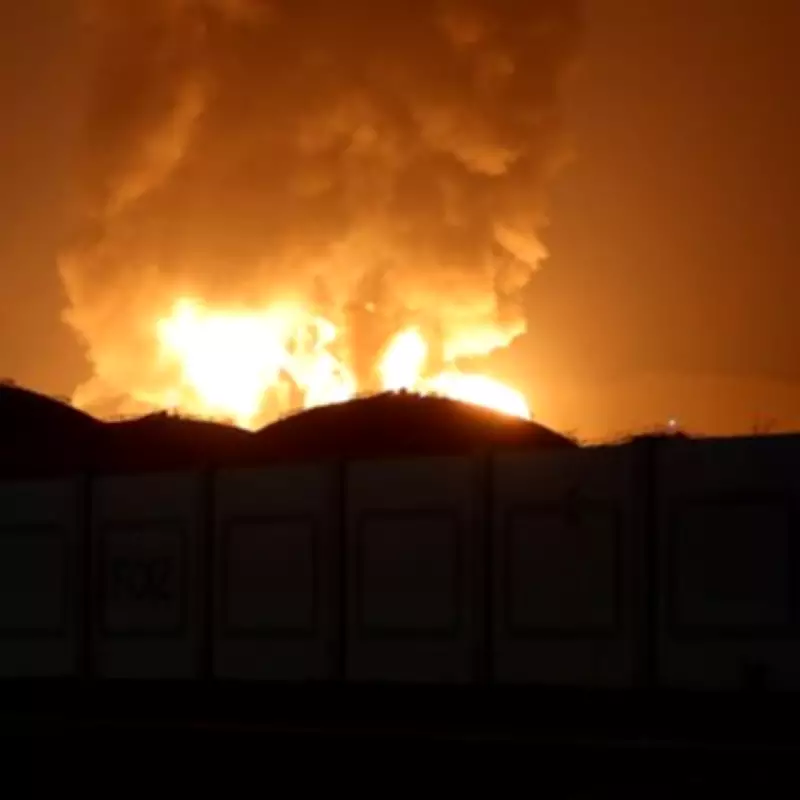
The minister cautioned that Gulf energy exporters might be forced to shut down production, a move that would directly drive oil prices upward. Even if hostilities cease soon, he told the Financial Times, it could take weeks or months for production cycles to normalise. This warning follows an Iranian drone strike on its largest liquefied natural gas plant earlier in the week, contributing to oil's trajectory toward its most substantial weekly gain since 2022, with prices soaring nearly 20 percent.

The conflict has already sent energy markets into a tailspin, exacerbated by Iran effectively shutting the critical Strait of Hormuz shipping route. Economists warn that a prolonged spike in oil and gas prices could exacerbate inflationary pressures, potentially compelling central banks to tighten monetary policy in response.
Direct Consequences for the UK and Global Markets
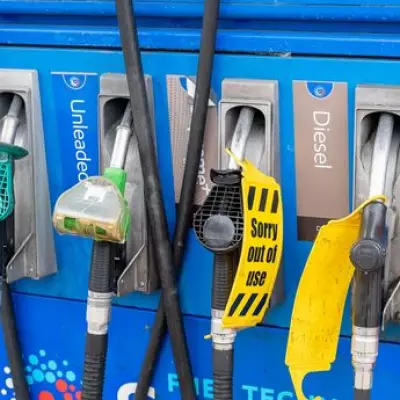
In Britain, petrol prices are creeping higher, and energy firms have withdrawn many fixed tariffs for households. Analysts warn that the Ofgem price cap could rise sharply in July if the conflict continues. Qatar, as the world's second-largest producer of liquefied natural gas (LNG), notes that while a limited amount of its gas is exported to Europe, Asian markets will likely compete aggressively for available supplies, further driving up global prices.
Al-Kaabi anticipates that more Gulf countries may invoke force majeure clauses in the coming days, allowing for production suspensions or reductions due to unpredictable events. Joshua Mahony, chief market analyst at Scope Markets, observed, "Oil prices have continued to rise as hopes of a swift resolution in Iran fade. Markets are waking up to the possibility of a sharp increase in energy costs and inflation if this conflict runs on for weeks."
Strategic Chokepoints and Historical Context
The price of oil has reached its highest level in about eight months, reminiscent of the surge after the US deployed 'bunker-buster' bombs on Iranian nuclear facilities in June. The Middle East remains the globe's most vital oil-producing region, with the Strait of Hormuz—a key target in recent strikes—serving as a fundamental transport artery. Approximately 21 million barrels per day, or one-fifth of the world's oil trade, pass through this 100-mile stretch linking the Persian Gulf to the Gulf of Oman and beyond.
Any threat of blockage in this waterway is likely to trigger immediate oil price increases. The RAC forecasts that if oil prices hit $90 per barrel, the average forecourt price for unleaded petrol will exceed 140p per litre, rising to 150p at $100 per barrel. Al-Kaabi also warns that gas prices could quadruple from pre-conflict levels, and a halt in all other trade between the Gulf and the world would significantly impact both regional and global economies.
Household Energy Bills and Inflationary Pressures
The surge in oil and gas prices is poised to translate into higher household energy bills across the UK. Analysts at Cornwall Insight project the energy price cap could rise by £160 to £1,801 in July, more than offsetting a £117 cut scheduled for April. The Resolution Foundation offers an even grimmer assessment, suggesting the turmoil could add £500 to a typical bill and one percentage point to inflation.

Ruth Curtice, chief executive at the think tank, noted, "If increases to oil and gas prices are sustained, we could see inflation back at 3 percent by the summer." This potential new inflation shock has disrupted expectations for interest rate cuts. The Bank of England has reduced rates six times since August 2024, from 5.25 percent to 3.75 percent, but the likelihood of another cut this month has plummeted from around 80 percent to just 12 percent.
The National Institute for Economic and Social Research suggests the next move might actually be a rate increase, warning that a "persistent shock to energy prices may force the Bank of England to raise rates back above 4 percent." Helen Miller, director of the Institute for Fiscal Studies, summarised the situation starkly: "If war in the Middle East drags on, that will be unambiguously bad news for all of us."