Urgent Warning as UK Fuel Crisis Sparks Supermarket Pump Limits
A former oil company executive is urging the government to consider imposing driving restrictions as the United Kingdom braces for a severe fuel supply crisis. Nick Butler, the former head of strategy at BP and a policy advisor to Gordon Brown, has issued a stark warning that immediate action is required to manage escalating fuel shortages across the nation.
Proposed Solutions to Ease Fuel Strain
Butler suggests that one potential measure could involve limiting drivers to alternate days on the road, based on their vehicle's registration number. Additionally, he has floated the idea of employers granting staff an extra day off each week to reduce commuter traffic, thereby alleviating pressure on the country's dwindling fuel supplies.
This urgent call comes amid growing uncertainty in global oil markets, with experts closely monitoring the fallout from the closure of the Strait of Hormuz. Approximately one-fifth of the world's oil passes through this narrow waterway annually, and its shutdown has created significant ripple effects on fuel availability and pricing in the UK.

Supermarkets Hit Hard by Fuel Shortages
Reports indicate that a number of 'no fuel' signs have appeared at forecourts of major supermarket chains. Several Sainsbury's petrol stations have been particularly affected, including locations in Bridgwater and Bamber Bridge in Preston, Lancashire. Similar shortages have been reported in Darlington, County Durham, and Kidderminster in Worcestershire, where diesel is in short supply.
In Nottingham, the Sainsbury's station on Castle Bridge Road is currently without petrol, though other fuel types remain available. Meanwhile, Sainsbury's Wrexham Superstore is temporarily limited to unleaded petrol only.
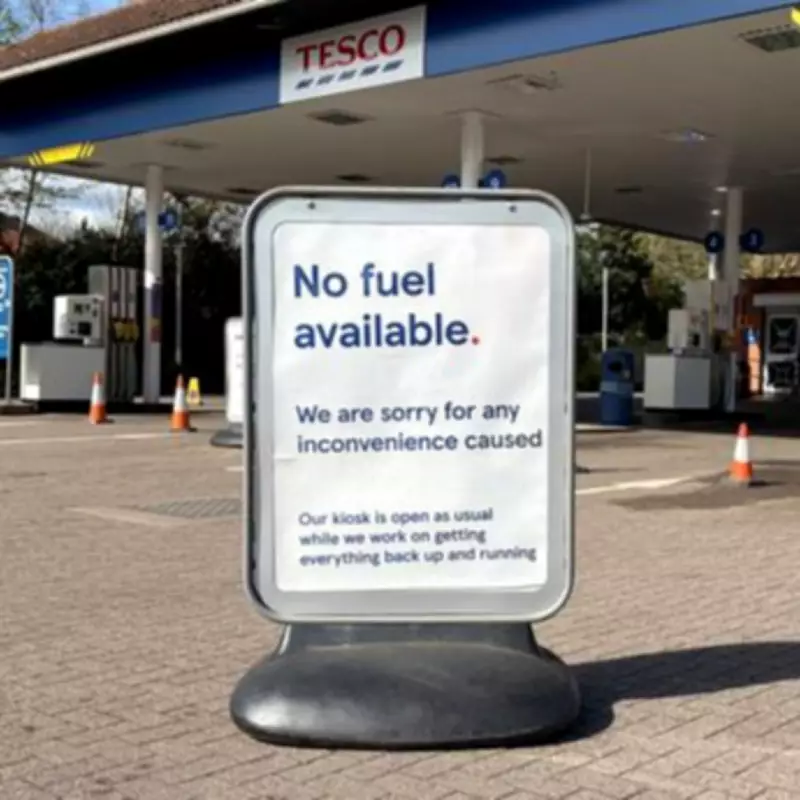
Tesco has also experienced fuel shortages. On Friday, March 27, staff were observed closing pumps at a Cheshire forecourt. While the retail giant maintains good availability of all fuel grades with regular deliveries, a 'no fuel' sign was recently displayed at the Tesco Superstore in Worcester, leaving the station nearly deserted with cones blocking empty pumps.
Industry Responses and Temporary Disruptions
Asda chairman Allan Leighton acknowledged that some forecourts are facing temporary petrol shortages. He explained, "Our fuel volumes are up quite significantly and clearly demand has been outstripping supply. Supply is tight and we are all trying hard on that. The issue is a temporary one and some could see issues when we are waiting for delivery." Leighton emphasized that higher customer demand has caused local "spikes" but these problems are not nationwide.
Despite these concerns, Fuel Industry UK, representing the fuel sector, asserts that petrol and diesel supply remains "stable." A spokesperson stated, "Companies are monitoring the fuel supply situation closely and reporting regularly into the energy department. Supply remains stable in the UK and our members are working hard to ensure that remains the case."
Rising Fuel Prices and Economic Impact
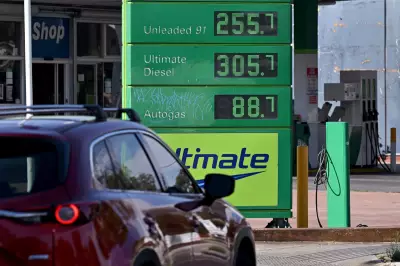
RAC Fuel Watch data reveals that Sainsbury's currently charges 141.3p per litre, undercutting rivals Asda, Tesco, and Morrisons. However, average unleaded petrol prices have surged by more than 17p per litre since February, reaching 150.11p. This increase is largely attributed to the ongoing conflict initiated by US President Donald Trump against Iran, which has dramatically driven up Brent crude oil prices from $73 to over $100 per barrel.
Analysts note that for every $10 increase in oil prices, petrol costs rise by approximately 7p at the pump. Since the conflict began, petrol has climbed 16.6p to 149.44p per litre, while diesel has seen an even steeper increase of 33.4p to 175.73p per litre. Experts warn that both fuel prices are likely to continue their upward trajectory.

Steve Gooding, director of the RAC Foundation, highlighted the broader economic consequences, stating, "This puts a financial price on the war not just for UK drivers but also the nation's businesses. Whether you are running a household or a company, fuel prices make up a significant part of the budget. Even those who don't drive will be impacted by higher transport costs as firms pass on their additional costs to customers. All of which is adding to the cost-of-living crisis."
The Mirror has reached out to Sainsbury's, Tesco, Morrisons, and Asda for further comments on the developing situation.