London's Centuries-Old Shipping Insurance Industry Confronts Modern Iran War Dangers
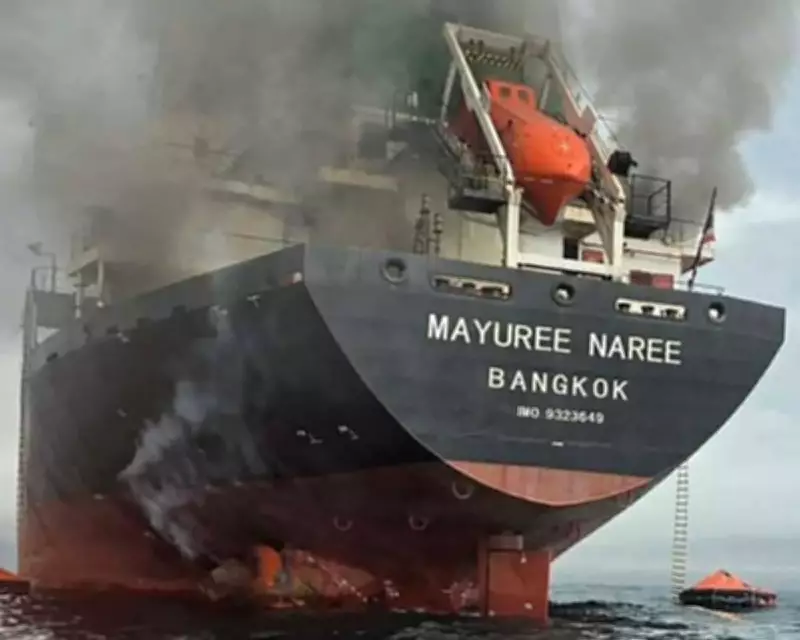
The Thai bulk carrier Mayuree Naree was recently seen near the Strait of Hormuz following an attack, highlighting a critical maritime crisis. This vital waterway has been effectively shut down for nearly three weeks, disrupting global trade flows. Insurers at Lloyd's of London assert that coverage remains available at a price, but many merchants deem the risk levels prohibitively high.
Escalating Threats and Soaring Premiums
For over 330 years, Lloyd's of London has insured shipping risks, yet it now contends with contemporary perils like drones and missiles. These threats have stranded hundreds of vessels in the Gulf region amid the escalating Middle East conflict. According to analysts from Lloyd's List Intelligence, 23 vessels have been attacked since the war began, including near misses and those sustaining minor damage, with several crew members killed.
Pressure mounts to safely reopen the narrow Strait of Hormuz, which typically sees more than 100 gas and oil tankers and container ships daily. An estimated 1,000 vessels and their crews, primarily oil and gas tankers, are currently trapped, halting the global movement of fuel, chemicals, and goods.

Insurance Costs and Fear Factor
Lloyd's insists shipping insurance has stayed accessible throughout the conflict at the right price, though brokers note little recent demand for the strait. Most shipowners have opted to anchor vessels in the Gulf or wait in regional ports. War insurance premiums have skyrocketed, rising from 0.25% before the war to between 3.5% and 7.5% of a vessel's value, as reported by David Smith of McGill and Partners.
However, Smith emphasizes that the fear factor, not just cost, deters companies from moving vessels. Silke Lehmköster of Hapag-Lloyd described dangers faced by six vessels and 150 crew stuck in the Gulf, including drones, explosions, and smoke, with one cargo ship hit by shrapnel causing a small fire.
Historical Context and Current Challenges
Rooted in a 1688 London coffee house, Lloyd's has navigated crises from the HMS Lutine sinking to the Titanic and 9/11. Today, Richard Meade of Lloyd's List Intelligence warns of a huge buildup of risk in the area, with ships not yet profiled in attacks but suffering collateral damage.
Seafarers remain below deck for safety, and shipping companies demand an end to escalations—no drones or missiles—before attempting transit. Suggested measures include safe maritime corridors, naval escorts, or Iranian security guarantees, though these face skepticism.
International Responses and Future Outlook
The UN's International Maritime Organization has called for a humanitarian corridor, but without a timeline or Iranian cooperation. Iran proposes a safe corridor near its coast for verification, though its effectiveness is uncertain. The US, UK, and European nations have discussed military escorts, but the situation is deemed too dangerous, with some companies calling proposals unrealistic.
Insurance brokers suggest naval escorts could lower costs, as London's ancient market strives to address this modern challenge. The closure of the Strait of Hormuz underscores the intricate balance between risk, insurance, and global trade stability in conflict zones.