Soaring Air Fares from Asia to the UK Spark Debate
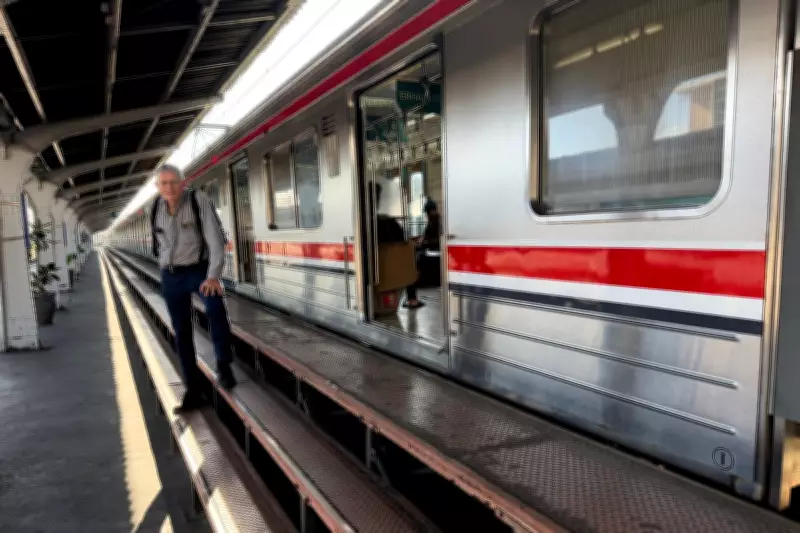
In a dramatic shift, air fares from Asia to the United Kingdom have skyrocketed, leaving travellers questioning whether airlines are engaging in profiteering or simply responding to market dynamics. Travel correspondent Simon Calder, writing from Jakarta, highlights the stark reality facing passengers amid geopolitical tensions and limited flight options.
Exorbitant Prices for Escape Routes
Calder notes that typical one-way fares from Jakarta to London, covering 7,300 miles, usually range between £500 and £600 in mid-March. However, current quotes tell a different story. Singapore Airlines is offering tickets at £1,300, Thai Airways via Bangkok at around £1,550, and Turkish Airlines via Istanbul at nearly £2,000. These prices represent a three to fourfold increase, driven by factors such as military actions in the Middle East disrupting schedules and reducing available seats.
The context is critical: Calder's own flight on Etihad via Abu Dhabi cost £583, but uncertainty looms as Iranian strikes threaten hub operations. This scarcity has led airlines to adjust fares sharply, a practice with historical precedent, such as during the 2010 Icelandic volcano eruption when fares from the Dominican Republic to Spain soared into the thousands.

Public Outcry and Ethical Concerns
On social media, disgruntled travellers have labelled the fare hikes "absolutely disgraceful," arguing that companies should not profit from crises like war. Critics contend that multiplying fares excludes lower-income individuals, creating a hierarchy based on wealth for returning home. They advocate for naming and shaming airlines to influence future consumer behaviour.
Yet, Calder presents a counterargument: price mechanisms help allocate scarce resources efficiently. Without them, flights would sell out instantly at capped fares, leaving those with urgent needs stranded. He suggests that maintaining some capacity at higher prices can serve both as a service and a revenue stream for airlines.
Airlines' Defence and Passenger Alternatives
Airlines assert they are not forcing anyone to pay these outlandish fares. For those with more time than money, Calder recommends finding cheaper routes to western hubs like Istanbul, where fare-comparison sites may offer better deals. He emphasises that choice remains in aviation, despite reduced capacity, and that many passengers prioritise convenience over cost, willing to pay a premium for last-minute seats.
Looking ahead, similar trends are expected in other markets, such as flights from Alicante or Malaga to Gatwick in late August, where prices could exceed £300 even with early booking. This underscores a broader pattern in travel where demand often outstrips supply, driving up costs.
Simon Calder, known as The Man Who Pays His Way, has provided travel insights for The Independent since 1994, offering weekly analyses on key issues affecting travellers worldwide.