The vision of driverless cars, once confined to Hollywood sci-fi, is accelerating towards a reality on the streets of London. American robotaxi operator Waymo has selected the UK capital as its first European city, with ambitions to launch a full-time service as soon as 2026, pending approval from Transport for London.
A Surreal Ride in San Francisco: The User Experience
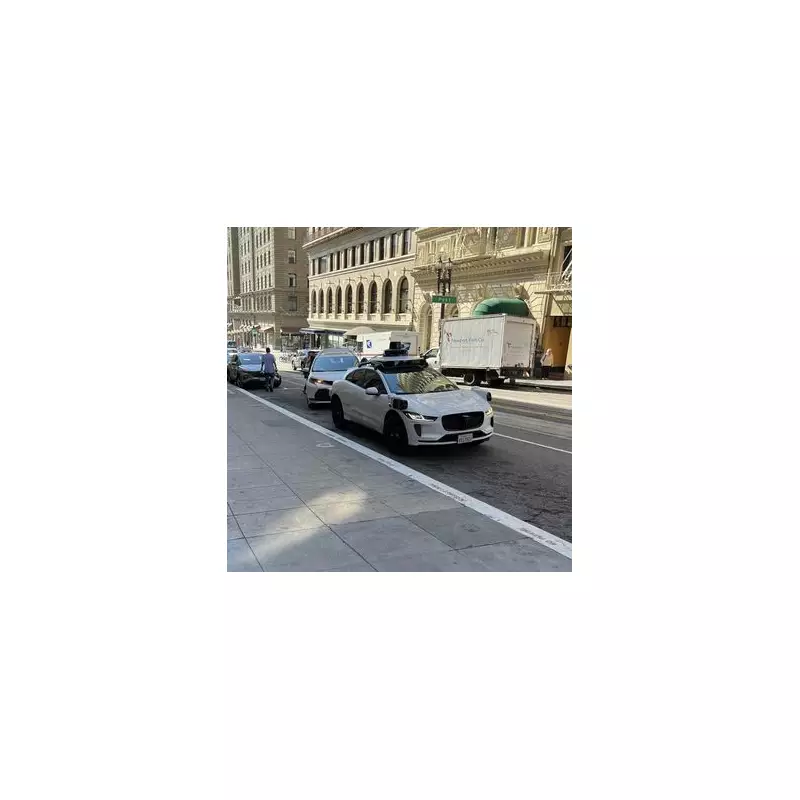
Having experienced Waymo's service multiple times in San Francisco and Los Angeles, where it became commonplace in 2024, I can offer a glimpse of what Londoners might expect. In San Francisco, a fleet of roughly 1,000 modified Jaguar I-Pace vehicles navigates the city. The process is app-based: order a ride, and a car arrives displaying your initials on its rooftop antenna. You can even customise the colour.
Inside, the absence of a human driver is initially striking. The cabin is serene, often playing spa-like ambient music designed to calm nervous passengers. The space is familiar, with a sizeable, ordinary boot for luggage. You quickly adapt, perhaps connecting your own Spotify without fear of driver judgement. However, the surreal feeling persists, especially when catching the intrigued stares of pedestrians peering in at traffic lights.

Rules, Safety, and the Big Concerns for a UK Launch
The service has strict rules: passengers must be over 18, seatbelts are mandatory, and smoking, vaping, drugs, and consuming alcohol are prohibited. Every journey is recorded by video, and a remote support team is on constant standby, able to hear audio only when contacted. From my experience, fares were often cheaper than Uber, possibly due to the lack of a driver's wage.
Yet, significant concerns loom for the UK rollout. Firstly, the impact on the livelihoods of London's vast number of licensed taxi drivers is a serious social and economic issue. Secondly, one wonders about vehicle cleanliness after busy Friday and Saturday nights picking up revellers, with the potential for leftover food and drink mess.
The technology, while impressive, isn't infallible. During one trip, my autonomous vehicle was baffled by a dog in the road, forcing me to exit and usher the animal aside while the car consulted its remote support. Waymo states its 'fleet response team' assists in such rare scenarios, but the AI driver remains in control at all times.
What Waymo Says About Cleanliness and Obstacles
Addressing potential cleanliness issues, a Waymo spokesperson confirmed: “Cabin checks are performed at the end of the ride, and if a vehicle is deemed not fit for service, it is sent back to one of our depot facilities for inspection.”
On navigating obstacles, they explained that the autonomous system can request context from a human agent but continues to make its own driving decisions. “The vast majority of such situations are resolved, without assistance, by the Waymo Driver,” the spokesperson added.
With testing already underway in London in December 2025, including a symbolic crossing of the Abbey Road zebra crossing, the future is fast approaching. The promise of a quiet, efficient, and novel transport option is clear, but its integration into the complex ecosystem of London's streets and society will be its ultimate test.