AI Facial Recognition Error Leads to Six-Month Jail Ordeal for Innocent Grandmother
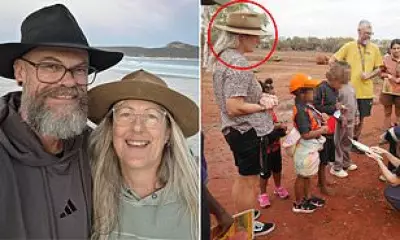
A Tennessee grandmother endured nearly six months of wrongful incarceration after artificial intelligence facial recognition software incorrectly identified her as a suspect in a bank fraud case. Angela Lipps, 50, was arrested last July when North Dakota police utilized an AI tool to match her image with surveillance footage from a bank where fraudulent withdrawals occurred.
Flawed Investigation and Prolonged Detention
According to local reports, a police detective cross-referenced the AI-generated match with Ms Lipps' social media profiles and driver's license photograph, but officers failed to verify her identity in person prior to her arrest. Ms Lipps spent 108 days in Cass County Jail in Tennessee before North Dakota authorities finally met with her in person.
Following her detention, she faced serious charges including four counts of unauthorized use of personal identifying information and four counts of theft. The case against her only collapsed on Christmas Eve when bank records conclusively proved she was over 1,200 miles away from the crime scene at the time the offences were committed.

Devastating Personal Consequences
The wrongful incarceration had catastrophic consequences for Ms Lipps' personal life. She revealed to WDAY News that she lost her home, her car, and even her dog while imprisoned, as she was unable to manage her financial obligations from jail. After her release, she was forced to spend Christmas in a hotel room because North Dakota police declined to cover her travel expenses back to Tennessee.
"I had my summer clothes on, no coat, it was so cold outside, snow on the ground, scared, I wanted out but I didn't know what I was going to do, how I was going to get home," Ms Lipps recounted. "I'm just glad it's over. I'll never go back to North Dakota."
Broader Pattern of AI Misidentification
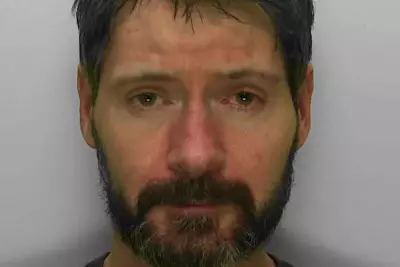
This incident represents another troubling case in a growing pattern of wrongful arrests stemming from flawed facial recognition technology. In January, a 26-year-old man in Southampton was similarly detained after an AI algorithm falsely matched him with footage of a burglary suspect located 100 miles away.
North Dakota police have confirmed that Ms Lipps' case remains under active investigation. The episode raises serious questions about the reliability of AI identification tools and the investigative protocols surrounding their use in law enforcement.