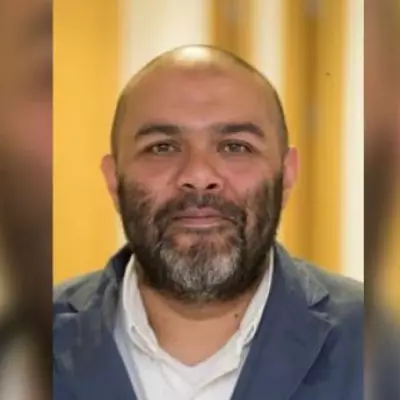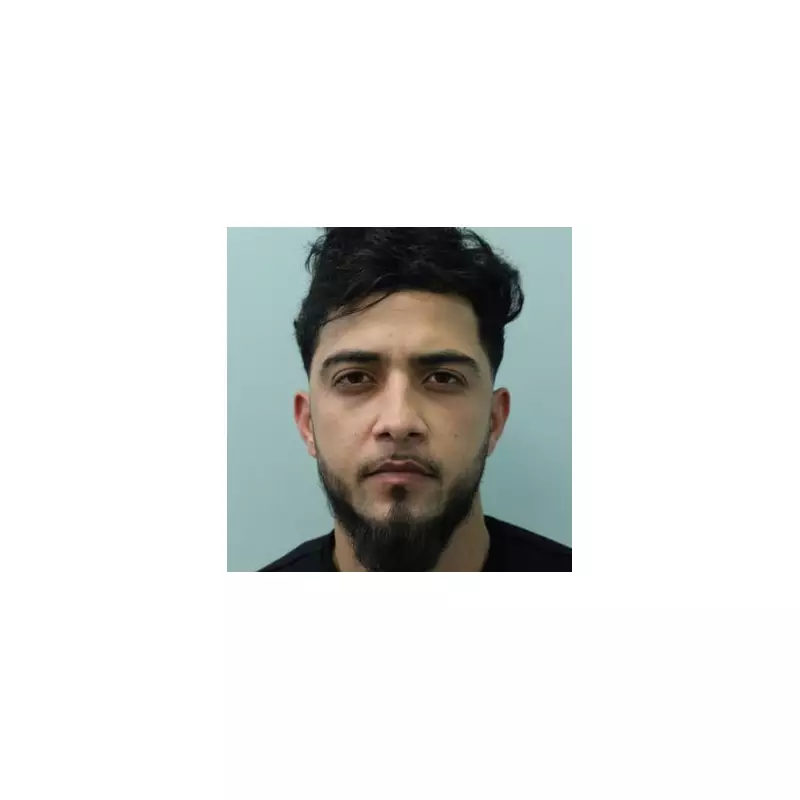
Two burglars have been sentenced to prison for exploiting the dating app Grindr to deceive victims into allowing them into their London homes, where they then stole phones and committed fraud.
The Modus Operandi: A Deceptive Trap
Rahmat Khan Mohammadi, 23, and Mohammed Bilal Hotak, 27, orchestrated a series of crimes by posing as potential dates on the gay social networking app. After arranging meetings at their targets' properties, the pair would persuade the victims to hand over their phone passwords, typically under the pretext of wanting to play music via YouTube.
Once inside, they deployed a distraction tactic, often asking the homeowner to leave the room—using excuses such as needing to shower, make a drink, or be shown the toilet. With the victim absent and the phone unlocked to play a video, the men would swiftly steal the device and exit the property.

The stolen phones were then used to make online or contactless payments, and in some cases, to transfer funds directly to themselves. The court heard that the Grindr profile used in the scams nearly always lacked a photograph, and when pressed for an image, the men would send a picture of someone else.
Court Sentencing and Judicial Remarks
At Isleworth Crown Court on Monday, Mohammadi was jailed for five years, while Hotak received a sentence of three and a half years. Mohammadi was found guilty of targeting 11 victims during a five-month crime spree between 24 October 2024 and 24 March 2025. Hotak was convicted for offences committed between 24 October 2024 and 23 December 2024.
Sentencing the pair, Judge Adenike Balogun acknowledged the significant impact on the victims, stating: "I have taken note of the psychological trauma as well as the inconvenience caused to the victims, and the distress that all of them have expressed at allowing you into their homes - into their private space - only to be violated."
While the prosecution suggested the men targeted victims because of their sexuality, potentially constituting a hate crime, the judge offered a nuanced ruling. She stated that the victims' perceived sexual orientation presented an opportunity for the crime, exploiting the app's function to facilitate easy access to homes, rather than being driven by personal hostility.
"I suspect you were - and I put no higher than that - banking on the victims not reporting the crime," Judge Balogun added.
Convictions and Aftermath
A jury found Mohammadi, of Harrow, north-west London, guilty of 10 counts of burglary, nine counts of fraud by false representation, and one count of theft. Hotak, of Hackney, east London, was convicted of five counts of burglary, five counts of fraud, and one count of theft.
The case highlights a disturbing method of dating app fraud where perpetrators prey on perceived vulnerability to gain entry to private residences. The judge's remarks underscore that the crimes were calculated acts of deception, leveraging the trust and social norms associated with online dating platforms.