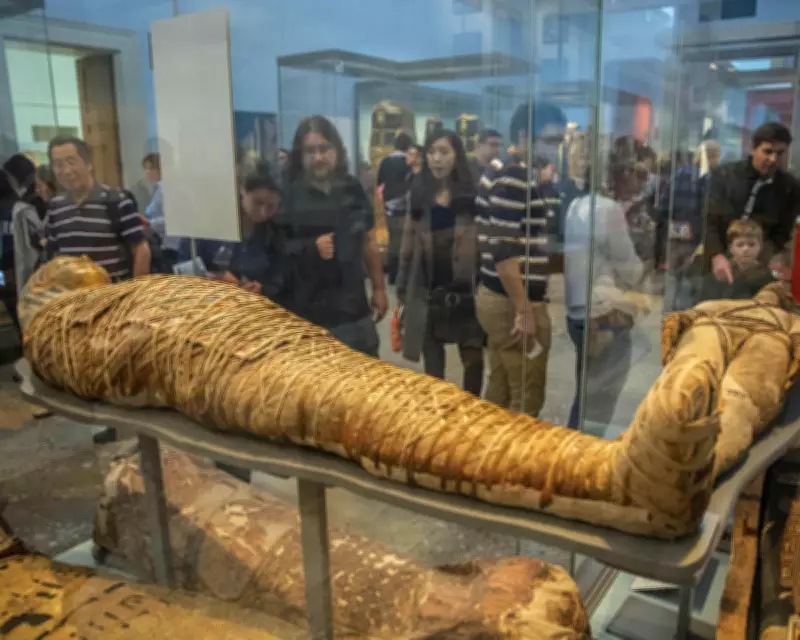
Museum Experts Advocate for Ethical Care of Human Remains Amid Political Criticism
In response to recent parliamentary outcry over the vast scale of overseas human remains held in UK museums, leading academics have issued a robust defence of museum professionals while calling for greater government intervention. Professors Liv Nilsson Stutz and Sarah Tarlow argue that the ethical treatment of these remains has been a central concern for decades within archaeological and anthropological circles, contrary to suggestions of institutional indifference.
Ethical Commitment in Museum Collections
The professors, who recently concluded a major research project on human remains in European institutions, emphasise that collection managers are deeply empathetic and dedicated to their care, often operating with limited resources. Their survey reveals that remains from colonial contexts typically receive heightened ethical attention compared to those from local or archaeological sources.
Key findings include:

- Museum staff demonstrate significant concern and empathy for human remains in their custody.
- Colonial-era remains are prioritised for ethical scrutiny over other categories.
- Resource constraints pose challenges to optimal care practices.
Repatriation and Beyond: A Nuanced Approach
While repatriation to communities of origin is deemed appropriate in some cases, the professors note that many remains cannot be returned due to factors such as domestic archaeological origins, medical collections, or lack of claimant groups. They stress the necessity of developing ethical care frameworks for these often-overlooked categories, ensuring all human remains are treated with dignity.
"Good care may involve repatriation, but it also requires sustainable practices for remains that remain in collections," the experts assert.
Political Responsibility and Funding Needs
Criticising MPs for expressing outrage without offering solutions, the professors argue that elected officials hold greater power to address colonial legacies than individual museums. They advocate for government financial support to bolster ethical care efforts, warning that undermining existing trust between institutions and stakeholders could harm progress made in recent decades.
Recommendations for policymakers include:
- Providing dedicated funding for the ethical management of human remains.
- Supporting repatriation processes where feasible.
- Fostering collaboration between museums, communities, and government bodies.
This call to action highlights the complex interplay between historical accountability, museum ethics, and political will in confronting the UK's colonial past.