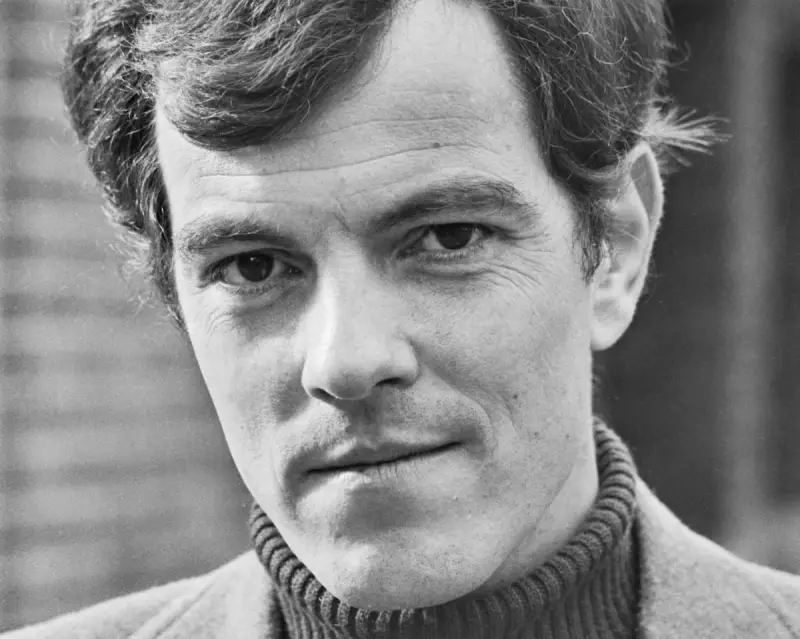
The film world mourns the loss of Peter Watkins, the visionary director whose groundbreaking work redefined documentary filmmaking and challenged audiences worldwide. The acclaimed filmmaker passed away at the age of 88, leaving behind a legacy that continues to influence generations of film creators.
The Film That Shook the World
Watkins achieved international recognition with his 1965 masterpiece 'The War Game', a harrowing depiction of nuclear attack on Britain that was deemed too disturbing for television broadcast. Despite being banned from BBC airwaves, the film went on to win the Academy Award for Best Documentary Feature in 1966, cementing Watkins' reputation as a fearless cinematic voice.
A Career of Controversy and Innovation
Throughout his career, Watkins developed a distinctive style that blurred the lines between documentary and drama. His pioneering approach to 'documentary reconstruction' created immersive, unsettling experiences that forced viewers to confront uncomfortable truths about war, society, and media manipulation.
Notable works include 'Culloden', which recreated the 1746 battle with startling realism, and 'The Forgotten Faces', depicting the 1956 Hungarian uprising. Each project demonstrated his commitment to using film as a tool for social commentary and historical reflection.
Legacy of a Maverick Filmmaker
Watkins' influence extends far beyond his own filmography. His willingness to challenge broadcasting authorities and conventional storytelling methods inspired countless filmmakers to push creative boundaries. Despite his Oscar win and critical acclaim, Watkins often found himself at odds with mainstream media institutions, choosing instead to follow his unique artistic vision.
His passing marks the end of an era for documentary filmmaking, but his revolutionary approach to cinema ensures his work will continue to provoke discussion and inspire future generations of filmmakers committed to truth-telling through their art.