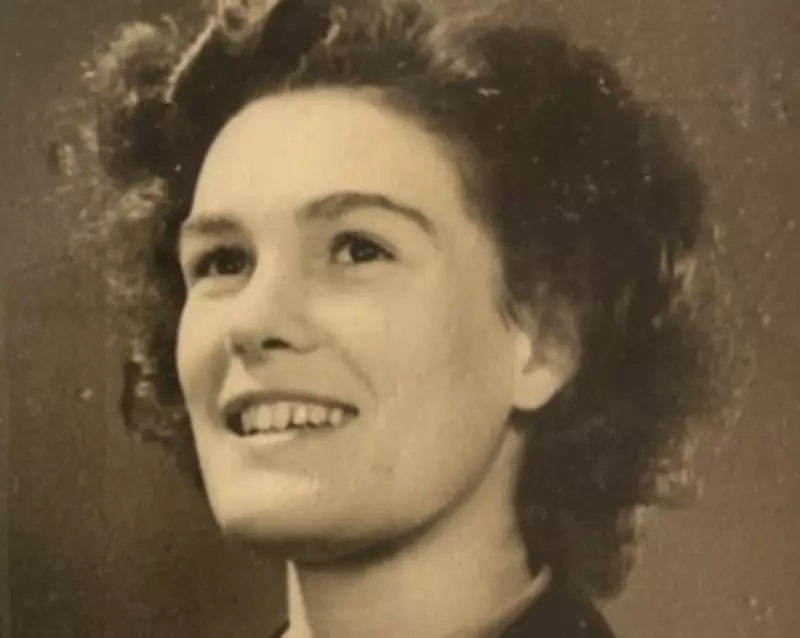
Lorna Richmond, a pivotal yet often overlooked figure in Britain's engagement with African independence movements, has died at the age of 96. Her friend confirms her passing, noting her decades of dedicated service at the Africa Bureau in London during its most active period.
Key Role at the Africa Bureau
From the 1950s through the mid-1960s, Lorna served as assistant to the bureau's director, the Rev Michael Scott, an Anglican priest renowned for his passive resistance campaigns that frequently led to his arrest and imprisonment across various nations. While Scott traveled extensively through Africa to assess demands for independence in regions like Kenya, the Gold Coast (modern Ghana), and South West Africa (now Namibia), Lorna ensured the London office operated smoothly.
Managing the Home Front
Her responsibilities were vast and critical. Lorna and her team organized fundraising events, met with delegations from emerging African nations, and maintained constant communication with politicians and journalists. This period marked the busiest and most successful era in the Africa Bureau's history, as it cooperated closely with liberation movements to challenge colonial rule.

Early Life and Career Path
Born in Stratford, east London, Lorna was the daughter of George Richmond, a staff engineer at the Gas Light and Coke company, and his wife, Mary. After attending a boarding school near Bishop's Stortford in Hertfordshire, she completed secretarial college. She then spent three years living with family in Canada, working as a secretary, before returning to the United Kingdom.
While undertaking temporary secretarial work in London, Lorna enrolled in an international relations course. This led to her full-time position at the Africa Bureau, which was originally established in 1952 by David Astor, then editor of the Observer newspaper. She remained there for the majority of Scott's sixteen-year directorship until funding constraints forced her departure alongside other staff members.
Continued Support for Scott's Legacy
Even after Scott stepped down from leading the Bureau in 1968, Lorna continued to manage his affairs and his involvement with various organizations, including the Africa Publications Trust, the Africa Educational Trust, and the Minority Rights Group. Scott, who rarely had a permanent residence, often stayed with friends or in budget accommodations during his London visits.
In 1970, Lorna offered him the spare room in her Primrose Hill flat in north London, an arrangement that lasted until his death in 1983. Following this, she relocated to her elderly mother's home in the village of Kingston, near Lewes in East Sussex, while still traveling regularly to London for meetings of the Friends of Namibia group.
A Lasting Tribute
In 1992, Lorna arranged a significant memorial event, welcoming Archbishop Desmond Tutu to St Pancras, a small church in Kingston. There, she had Scott's ashes interred and unveiled a new stained-glass window dedicated to his memory, honoring his lifelong struggle against injustice.
Personal Connections and Family
Lorna became a close friend and invaluable resource during the research for the book The Troublemaker: Michael Scott and His Lonely Struggle Against Injustice, co-written in 2006. Her insights provided crucial firsthand accounts of the bureau's work and Scott's activism.
Her younger brother, Marcus, predeceased her. Lorna is survived by her niece, Vanessa, who remembers her aunt's quiet dedication to the causes of freedom and equality across the African continent.