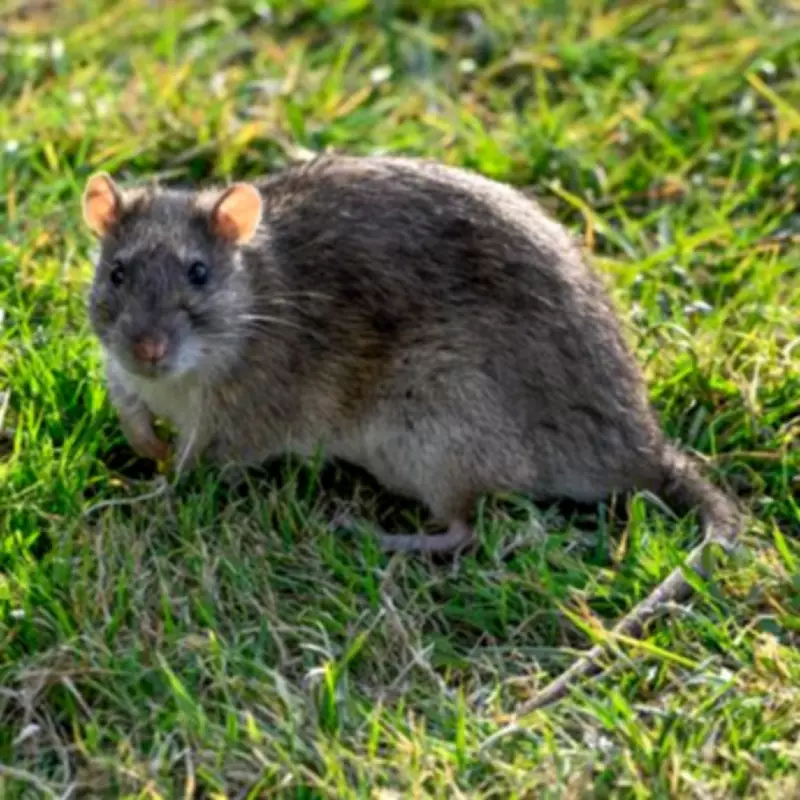
Alan Titchmarsh's Expert Advice on Keeping Rats Out of Gardens
Renowned gardening expert Alan Titchmarsh has disclosed two straightforward adjustments that every gardener should implement to prevent rats from invading their outdoor spaces. As spring arrives, bringing warmer weather and increased outdoor activity, rats become a more prevalent nuisance in gardens across the country.
Why Gardens Attract Rats in Spring
Spring marks the prime breeding season for rats and mice, as these rodents actively seek shelter and food sources. Gardens, with their abundant resources, become hotspots for infestation. Titchmarsh emphasizes that one area is particularly appealing to these pests.
"The place they love more than anywhere else in the garden is the compost heap," Titchmarsh stated. "Mainly because of the heat generated by all this rotting vegetation. They can burrow into it and they've got a central heated house."

First Change: Fortify the Compost Heap Structure
Titchmarsh's initial recommendation focuses on making the compost heap itself less accessible to rats. He advises constructing a solid structure with minimal gaps to deter entry. His personal compost heap is built from solid wood with steel sheeting lining the interior.
"Hopefully that goes right down to the ground," he explained. "They can burrow underneath it, but I am really reducing their ability to get in with ease. That's a start, make the heap with good, strong sides."
Second Change: Mind What You Compost
The second crucial modification involves being selective about the materials added to the compost heap. Titchmarsh strongly warns against including certain food items that attract rats.
"Don't put processed food, anything you have cooked, any meat, any potatoes," he urged. "Don't do that because it's just an absolute open invitation for rats."
Instead, he recommends composting mouldy apples, which decompose rapidly, along with green clippings from the garden. Lawn mowing clippings can also be added, provided all compost materials are thoroughly mixed together.
Additional Garden Areas That Attract Rats
While compost heaps are primary attractants, Titchmarsh notes that other garden features can also draw rats. Bird feeders, commonly used to encourage garden birds, can inadvertently become magnets for rodents.
"Most gardeners, myself included, love encouraging garden birds, so bird feeders are everywhere in this garden," Titchmarsh said. "But, they can also be a magnet for rats."
To mitigate this, he suggests positioning bird feeders in the middle of the lawn, as rats dislike crossing exposed areas. Keep feeders away from bushes, hedges, or walls to reduce rodent access.
By implementing these two key changes to compost heap management and being mindful of other potential attractants, gardeners can significantly reduce the likelihood of rat infestations, making their outdoor spaces more enjoyable during the spring and summer months.