Top Online Nurseries for Gardeners: Expert Recommendations for Plants, Bulbs, and Seeds
As winter transitions into spring, gardeners eagerly anticipate spending time outdoors, tending to their plots and acquiring new greenery. While local garden centres offer convenience, online nurseries provide a horticultural lifeline for those without nearby options or preferring car-free shopping. These digital stores often boast a wider selection of plants, including specialised varieties like shade lovers or hellebores, making it easier to find the perfect fit for your home or garden.
But with so many options available, where should you turn for beautiful, healthy, and reliable plants? Drawing on decades of gardening experience and insights from top garden designers and horticulturalists, we have compiled a comprehensive guide to the best online nurseries. This expanded overview includes detailed recommendations across various categories to help you make informed choices.
Best All-Rounder Nurseries
Some nurseries specialise in specific plant types, but several online garden centres offer a broad selection across the board. Crocus is a well-known option with a user-friendly website and a wide range of plants grown with attention to water use, waste management, and emissions. Although prices are on the higher end, customer service is excellent; for instance, a disappointing batch of peachy-coloured foxgloves was quickly replaced with healthier plants.

Burncoose Nurseries, based in Cornwall, provides a great selection of homegrown plants like camellias, magnolias, and woodland species, along with a helpful planting ideas section on their website. Garden designer Lulu Roper-Caldbeck recommends Langthorns Plantery, a family-run business in Essex known for top-quality and unusual plants. Additionally, Burford Garden Co in Oxfordshire offers a stylish edit of perennials, trees, shrubs, and fruit bushes, though it is also on the expensive side.
Best for Budget
For budget-conscious gardeners, several nurseries offer affordable, no-frills experiences with great plants. Dobies is excellent for organic fruit and vegetable plants and includes a helpful advice section. Thompson & Morgan provides a prodigious range and good value, while Gardening Express features a useful knowledge hub and a five-year guarantee on many plants. You Garden offers entry-level information about its plants, and Gardeners Dream has a wide selection, including many evergreen plants. These stores are ideal for annuals or bedding plants, perfect for filling gaps in borders seasonally.
Best for Perennials
Perennials are garden stars, returning year after year with colourful flowers and interesting foliage. Beginner-friendly options include Geranium Rozanne, Verbena bonariensis, and Catmint. Hardy’s Cottage Garden Plants is highly respected, stocking a vast variety, including own-bred varieties like Gaura lindheimeri Rosy Shimmers and Anemone Frilly Knickers, plus free printable planting plans.
Experts also recommend the Beth Chatto nursery, named after the renowned plantswoman known for her "right plant, right place" ethos. Award-winning garden designer Tom Massey praises its rare and interesting plants, all grown on site in Essex. The nursery’s beginner-friendly website features curated collections for specific garden types, such as small spaces or wildlife gardens. Errol Reuben Fernandes, head of horticulture at the Horniman Museum and Gardens, highlights its sustainable practices.
Great Dixter, created by gardening legend Christopher Lloyd, offers plants grown on site with constant trialling of new varieties. Garden consultant Emma Burrill notes its seductive selections, and Reuben Fernandes appreciates its plastic-free packaging using old newspaper. Other top nurseries for perennials include Crûg Farm in north Wales, Bluebell Cottage in Cheshire, Cotswold Garden Flowers, and Claire Austin, known for hardy perennials, peonies, and irises.

Best for Bulbs
Planting bulbs in autumn yields magical results when flowers emerge months later. For spring bulbs like daffodils and alliums, plant in early autumn, but delay tulips until late October or November to prevent tulip fire, a fungal disease. Snowdrops and bluebells are best planted "in the green" after flowering in spring. Garden designer Fiona Lydon recommends Avon Bulbs or Peter Nyssen for quality bulbs with better disease resistance. Other respected sources include J Parker’s, Broadleigh, Farmer Gracy, and Sarah Raven. Shipton Bulbs specialises in British natives, ideal for UK climates.
Landscape designer Miria Harris insists on organic bulbs, recommending Organic Bulbs in Somerset for locally grown, unusual varieties that support pollinators without harmful chemicals.
Best for Seeds
Seeds are a popular choice for annuals and biennials, such as poppies, sweet peas, sunflowers, nigella, and nasturtiums. All-rounder nurseries are great for seeds, along with vegetable specialists. Plants of Distinction, a family-run business in Suffolk, offers an independent alternative with a nice selection. Plant World Seeds provides over 3,500 types, including rare varieties like grasses, trees, and shrubs. Lulu Roper-Caldbeck recommends Planet Good Earth for beautifully packaged seeds to engage children in gardening.
Best for Trees
Trees can enhance even small gardens by lifting the eye. Container-grown trees are best planted in autumn or early spring, while bare-root trees should go in between November and March. Barcham Trees in Cambridgeshire offers over 450 peat-free varieties, specialising in semi-mature trees like birches and cherries. Majestic Trees in Hertfordshire is known for premium mature trees. Paramount Plants in Enfield, north London, excels in camellias, magnolias, topiary, and Japanese cloud trees. Bluebell Arboretum and Nursery in Derbyshire specialises in rare trees, shrubs, and climbers. For multi-stem trees, Roper-Caldbeck recommends New Wood Trees in Devon, which uses sustainable, peat-free practices.
Best for Roses
Roses, a cornerstone of English gardens, can be challenging due to disease, so buying from specialists is advised. David Austin Roses in Shropshire has a world-class reputation with over 700 fragrant varieties, including shrub, climber, and rambler forms. Favourites include the King’s Rose and Eustacia Vye. Peter Beales Roses in Norfolk offers well-priced, sustainably grown old-fashioned varieties, while Eastcroft Rose Nursery in Kent focuses on fragrance, health, and repeat flowering with robust, field-grown plants.
Best for Fruit, Vegetables, and Herbs
Vegetables are often grown from seeds or plug plants, while fruit typically requires trees or bushes. Bare-root fruit trees, available from November to March, are cheaper and more sustainable. Thompson & Morgan has a vast range, and Rocket Gardens offers instant "veg patch" collections. Fruit specialists include Blackmoor Nurseries, Pomona Fruits, and Keepers. Roper-Caldbeck recommends Brogdale Collections in Kent for heritage fruit trees. For seeds, She Grows Veg sells heirloom varieties, while Suttons, Marshalls, Unwins, and Chiltern Seeds have comprehensive ranges. Herb lovers should visit Jekka’s or Norfolk Herbs.
Best for Houseplants
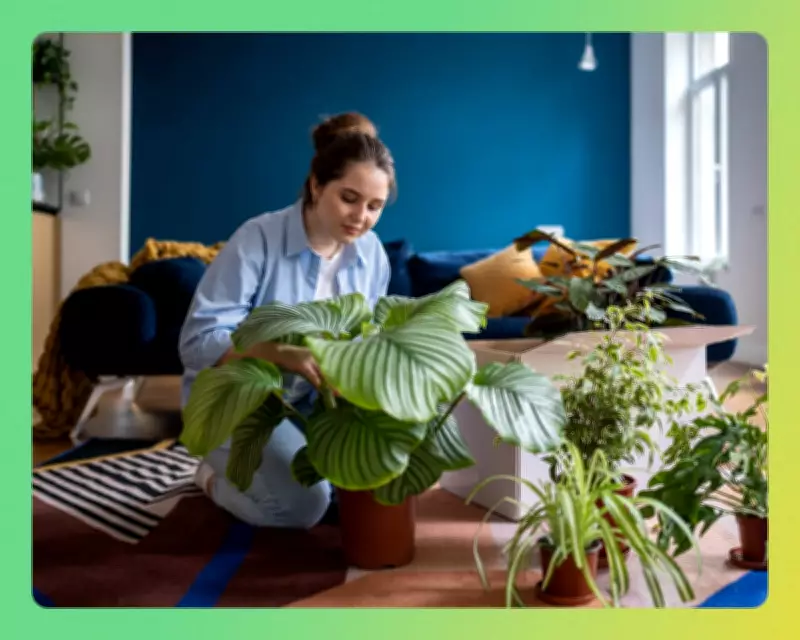
Online nurseries dedicated to houseplants offer varieties year-round. Root Houseplants has over 200 varieties with sustainable packaging. The Little Botanical features a stylish site with great search filters, and Happy Houseplants includes an "almost unkillable" filter for beginners. Patch Plants demystifies plant care with fun names like Chaz and Big Ken. Prickle Plants offers affordable mini-plants like L’il Pricks, and Leaf Envy is known for healthy plants and eco-friendly packaging.
What You Need to Know
When choosing plants online, read descriptions carefully and look at multiple images to understand the plant’s form and colour. Consider plant sizes; smaller plants in 9cm pots are cheaper but take longer to grow than those in 2l pots. Be mindful of seasons, as plants may not be ready for immediate dispatch, but reputable nurseries will deliver before flowering times.
Upon delivery, open plants promptly, photograph any issues for potential refunds, and place them in shaded areas with water to recover. Protect them from slugs and snails by keeping them off the ground. For planting, autumn is often best to avoid summer heat stress, though spring works for many plants. Water new plants regularly, especially during hot weather, and check local hosepipe ban rules. Bare-root plants, planted in winter, may look vulnerable but develop stronger root systems.
By following these tips and using trusted nurseries, you can create a thriving garden with ease and confidence.