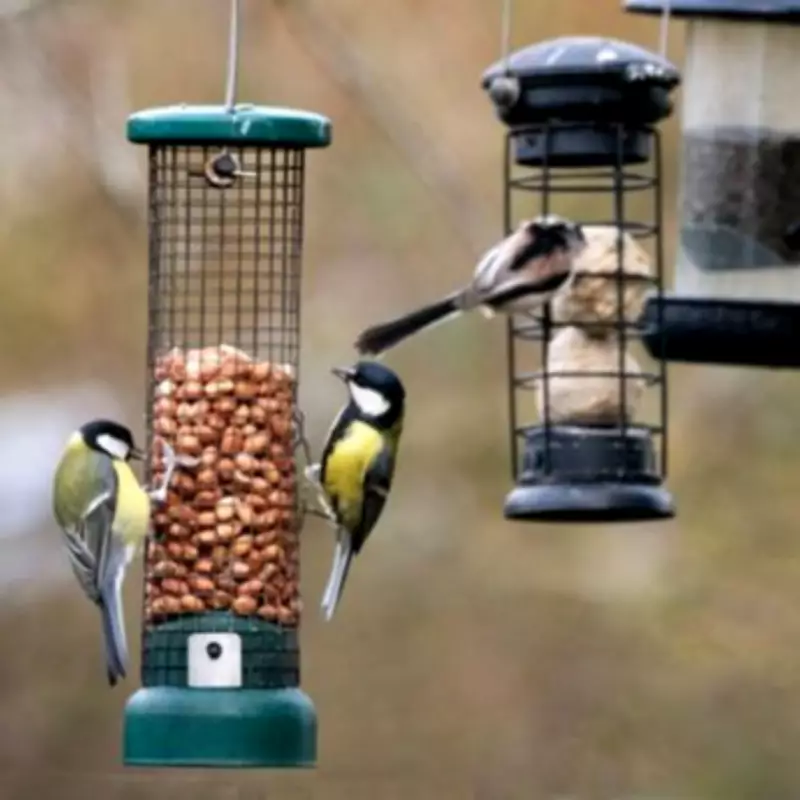
Throughout the colder winter months, bird feeders serve as a vital lifeline for avian visitors, providing essential nourishment when natural food sources become scarce. Offering nuts, seeds, and suet can deliver a crucial energy boost to help birds survive the harsh conditions. However, as the season transitions towards spring, a critical warning has been issued to homeowners across the United Kingdom.
Unwanted Visitors Lured by Bird Feeders
Pest control specialists are strongly advising residents to relocate their bird feeders 'well away' from their properties. While these feeders offer refuge and sustenance for birds, they can simultaneously act as a beacon for undesirable pests. Once these intruders establish themselves, removing them becomes a significant challenge.
The Rodent Threat During Colder Periods
The lingering cold snaps mean that the risk of rats and other rodents seeking warmth, shelter, and food within homes remains elevated. According to experts, the very provisions intended for birds can inadvertently attract vermin. John Whiteley-Wilkson, a pest control specialist at Acorn Environmental Services, highlights that positioning bird food near houses during winter is among the most common reasons rats infiltrate homes.

John Whiteley-Wilkson explained: "People put food out for birds to help them through the winter, which is understandable. But what many do not realise is that bird seed, fat balls and table scraps are also a huge attraction for rats."
Adaptable Rodents and Increased Activity
Rats demonstrate remarkable adaptability, with their activity around residential areas intensifying significantly during winter as their natural food sources disappear. "When food is scarce outdoors, rodents follow the easiest option," John stated. "If they know food is being put out regularly, they will keep returning and eventually look for a way inside."
Once rats locate a reliable food supply, they typically construct nests nearby, exploiting structures such as sheds, garages, wall cavities, and lofts for shelter. This behaviour can quickly lead to infestations that are difficult to manage.
Practical Measures to Deter Rats
Pest control professionals recommend several strategies to minimise the risk of rodent invasions. Firstly, keep bird feeders positioned at a considerable distance from your property and install trays to catch any fallen seeds. Regularly clean up any scattered feed to eliminate attractants.
Additional precautions include storing rubbish in secure bins, ensuring compost bins remain covered, and avoiding leaving pet food outdoors after dark. Homeowners should also conduct thorough inspections of their properties for cracks and structural damage, particularly at ground level, to block potential entry points.
John Whiteley-Wilkson emphasised: "Prevention is always easier than dealing with a full infestation. Once rats are inside, they breed quickly and the problem escalates fast."
By taking these proactive steps, residents can continue to support bird populations while safeguarding their homes from unwanted rodent guests. As spring approaches, vigilance and proper feeder placement are key to maintaining a harmonious garden environment.